







Custom Titanium Mesh Electrode
Introduction
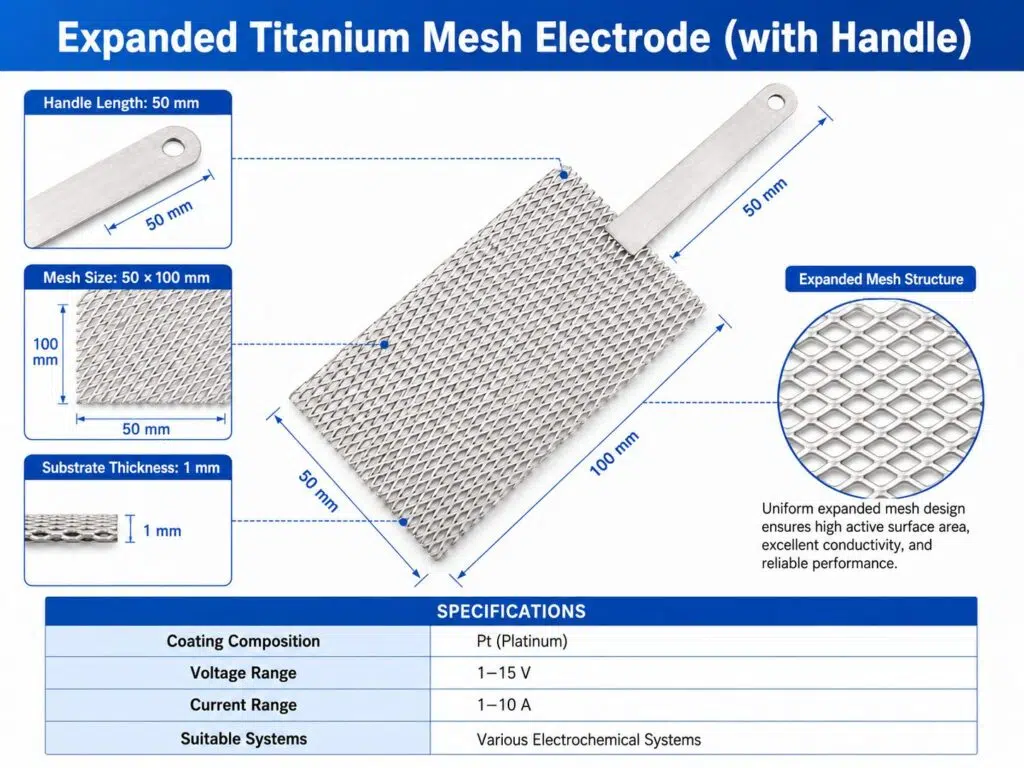
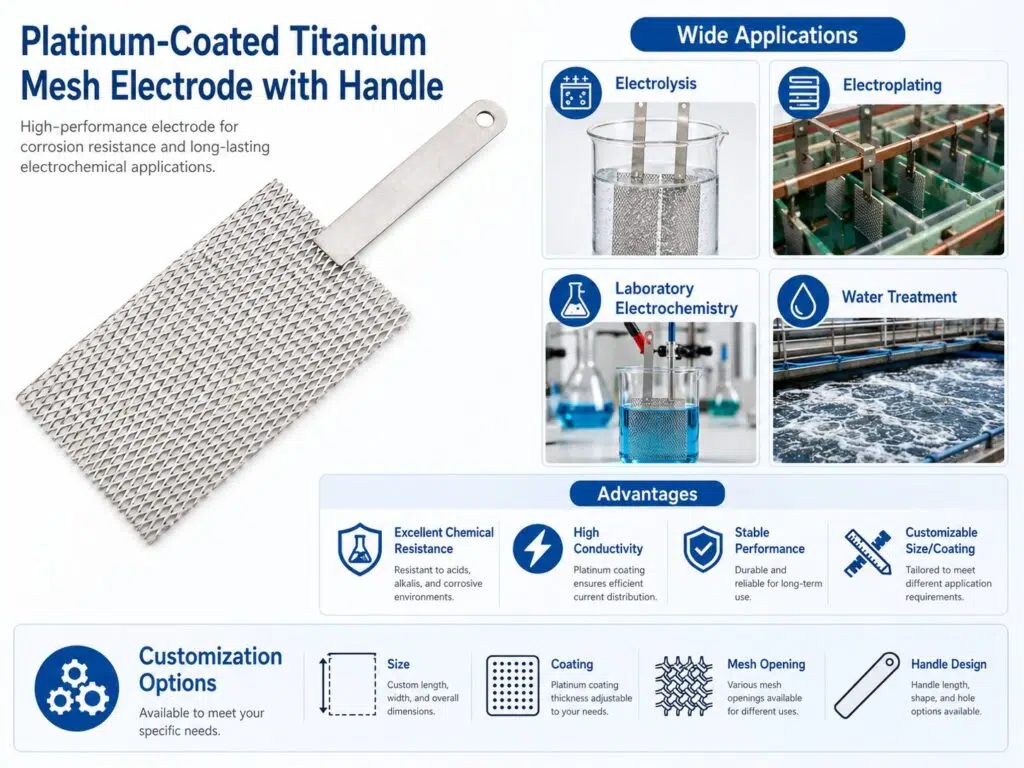
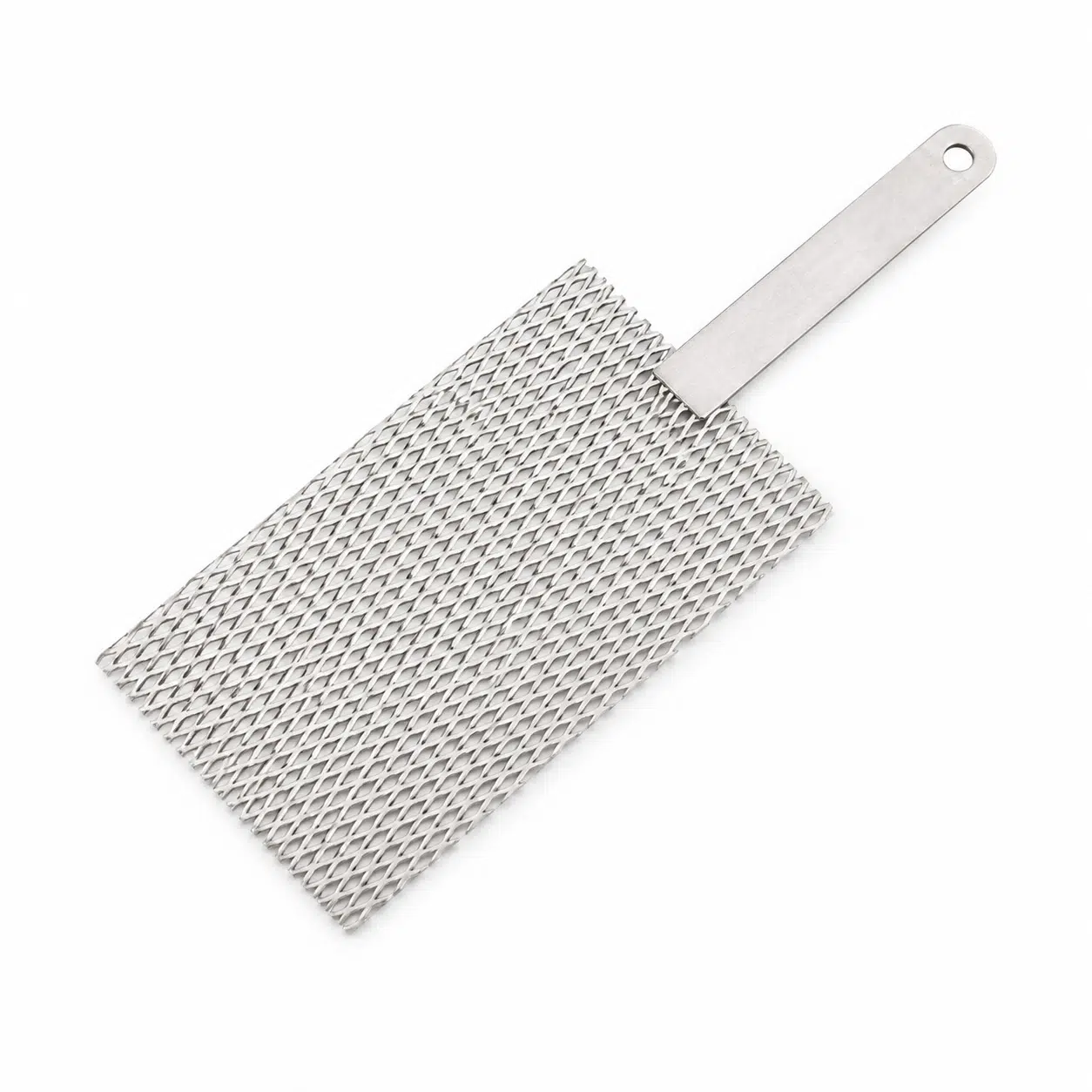
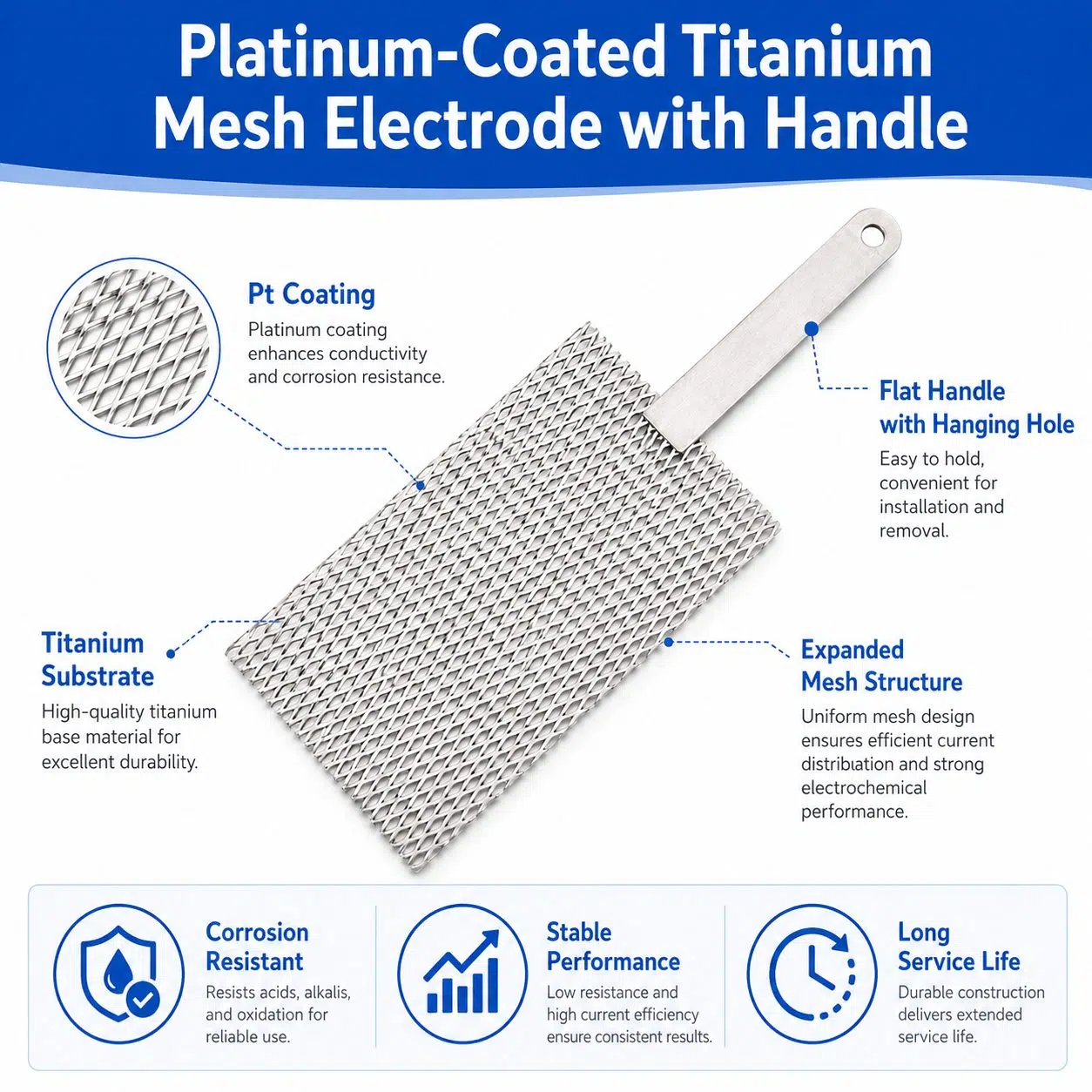
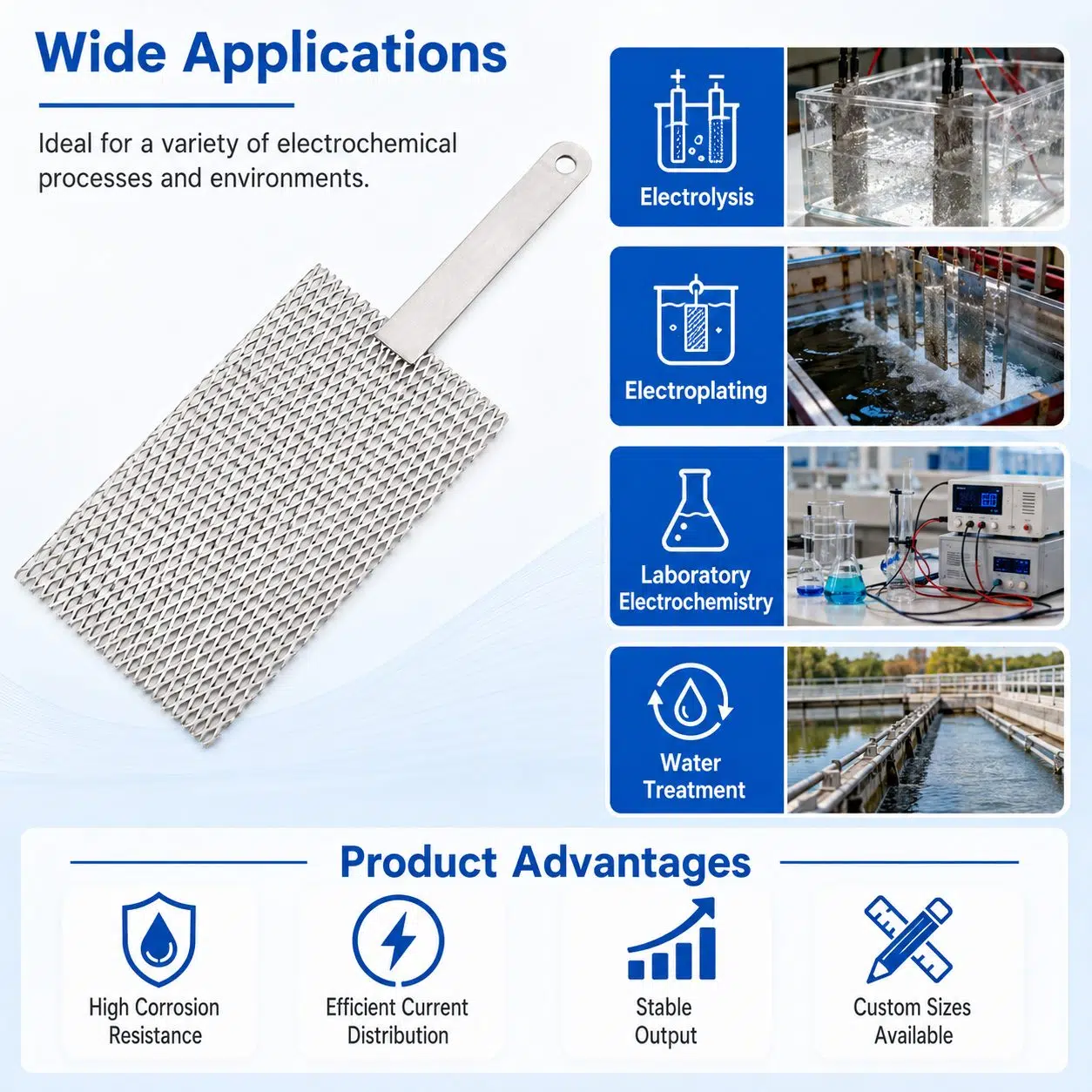
- This platinum coated titanium mesh electrode with handle is designed for high-precision electrolysis, laboratory research, electroplating, fuel cell testing, and a wide range of noble-metal catalyzed electrochemical processes. The titanium substrate (e.g. Gr1/Gr2) offers excellent mechanical strength, low weight, and corrosion resistance, while the platinum coating provides outstanding catalytic activity, low overpotential, and stable performance in acidic, neutral, and many oxidizing media. The open mesh structure increases effective surface area and mass transfer, ensuring uniform current distribution and high current efficiency.
-
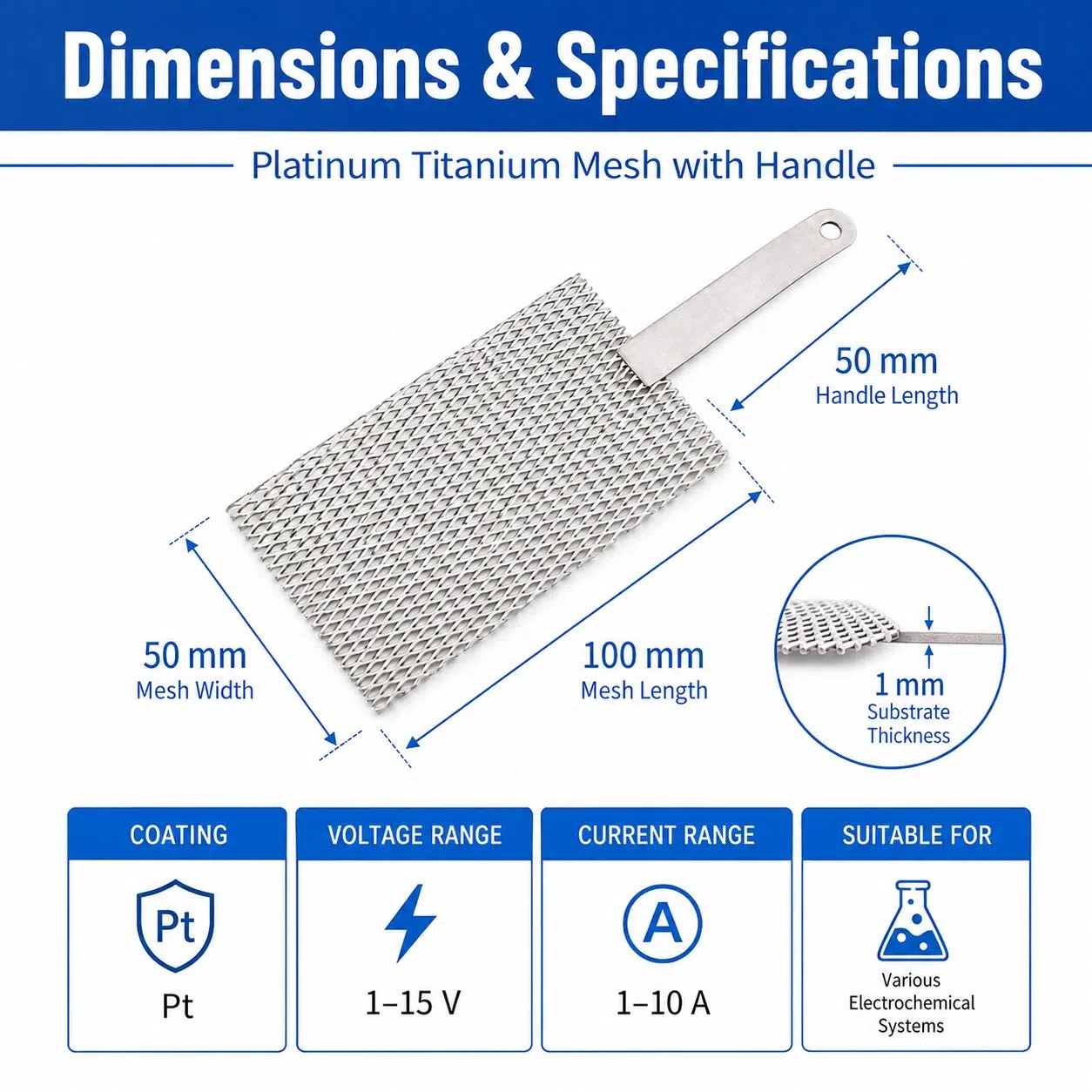
All critical parameters can be customized, including titanium grade and thickness, mesh opening size and pattern, platinum layer thickness (loading), handle length, diameter and shape (straight or bent), as well as connection design (tabs, holes, lugs, insulated sections). This Pt–Ti mesh electrode with handle is suitable for both small laboratory cells and pilot/industrial systems, delivering long service life, excellent electrochemical stability, and reliable performance in demanding electrochemical applications.
Specifications
| Type | Titanium mesh electrode |
| Material Grade | Gr1 / Gr2 / Gr7 / Gr9 titanium, other grades on request |
| Purity | ≥99.99% |
| Form | Expanded mesh, perforated mesh, woven wire mesh; supplied as flat sheet, panel, or roll |
| Thickness | Mesh thickness or wire diameter customizable (typ. 0.1–1.0 mm), as per request |
| Mesh Size & Shape | Mesh opening size, strand width, and pattern fully customizable; rectangle, square, round, ring, plate, and special-shaped as per drawing |
| Surface Finish | Pickled, sandblasted, brushed, polished, or as‑rolled surface, depending on application |
| Surface Treatment / Coating | Bare titanium, MMO‑coated (Ru–Ir, Ir–Ta, etc.), platinum‑coated, mixed noble metal oxide or other catalytic coatings as per electrochemical requirements |
| Hole / Slot / Mesh Design | Can be made with different mesh patterns, hole sizes, slot designs, and flow‑through structures to optimize current distribution and mass transfer |
| Corrosion Resistance | Outstanding corrosion resistance in seawater, chloride media, many acids/alkalis, and electrochemical environments (especially with MMO/Pt coatings) |
| Mechanical Strength | High specific strength, good toughness and fatigue resistance, with sufficient rigidity for framed or unsupported mesh electrodes |
| Operating Temperature | Typically up to 260–300 ℃ in most coated applications; higher limits depending on coating system and environment |
| Surface Flatness | Low overpotential and high current efficiency when coated; stable potential and long service life under continuous operation |
| Application Range | Widely used in chlor‑alkali cells, sodium hypochlorite and ozone generators, cathodic protection, electro‑winning, electroplating/electropolishing, wastewater and seawater treatment, electrochemical disinfection, fuel cells, and various lab & pilot electrolysis systems |
| Customization | Logo, marking, frame welding, tabs and busbars, edge treatment, mesh pattern, coating type and loading, and complete electrode assemblies can all be customized according to drawings or samples |
Reference dimensions
| 0.1mm*5mm*10mm | 0.2mm*5mm*10mm | 0.1mm*10mm*20mm |
| 0.2mm*20mm*20mm | 0.3mm*20mm*30mm | 0.1mm*20mm*50mm |
| 0.2mm*30mm*100mm | 0.1to 0.5mm*50mm*50mm | The size can be customized |
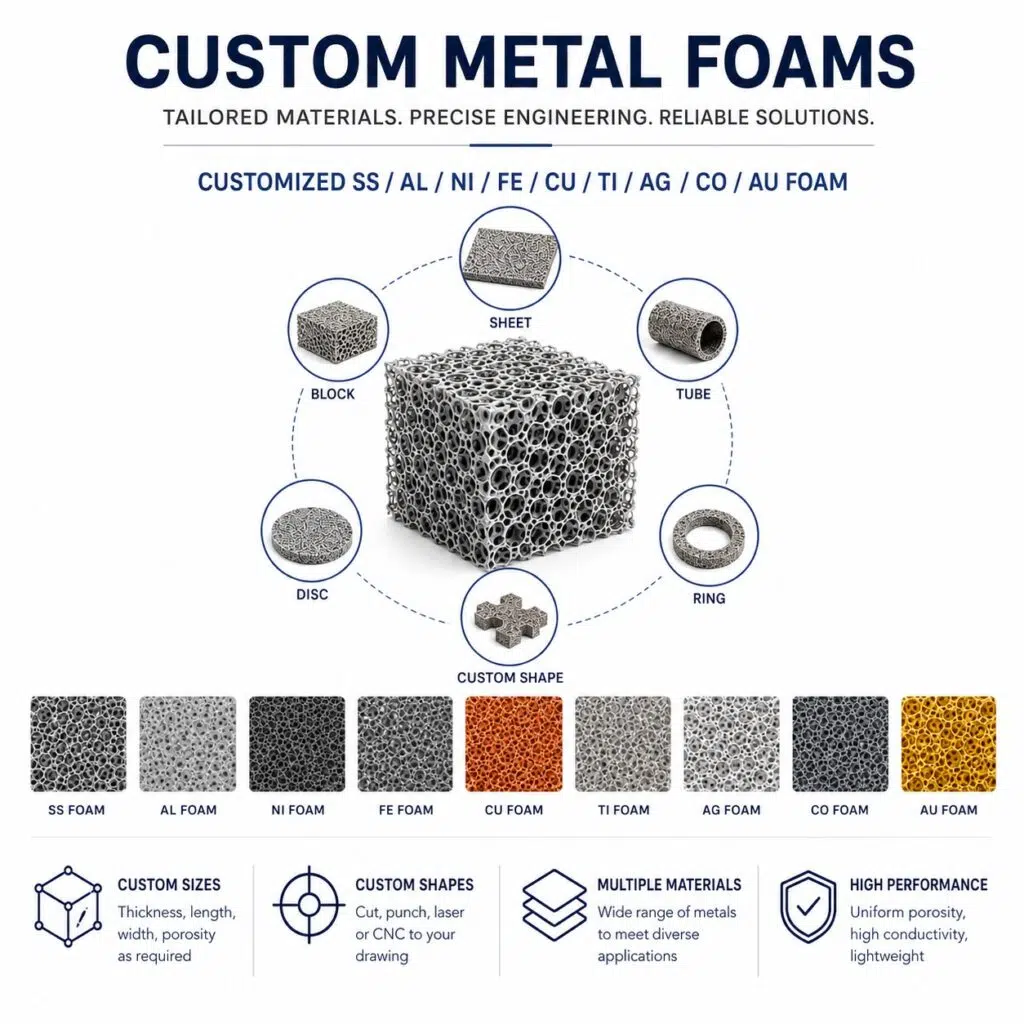
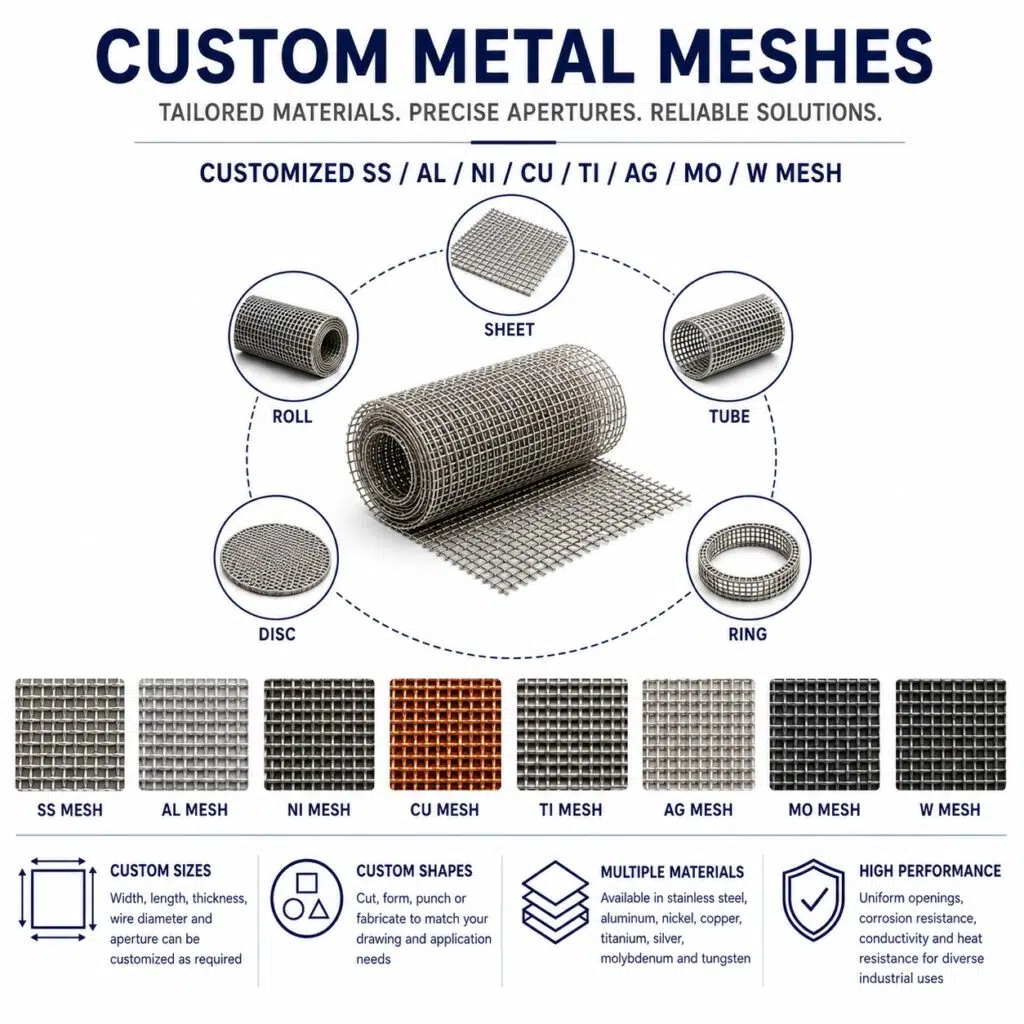
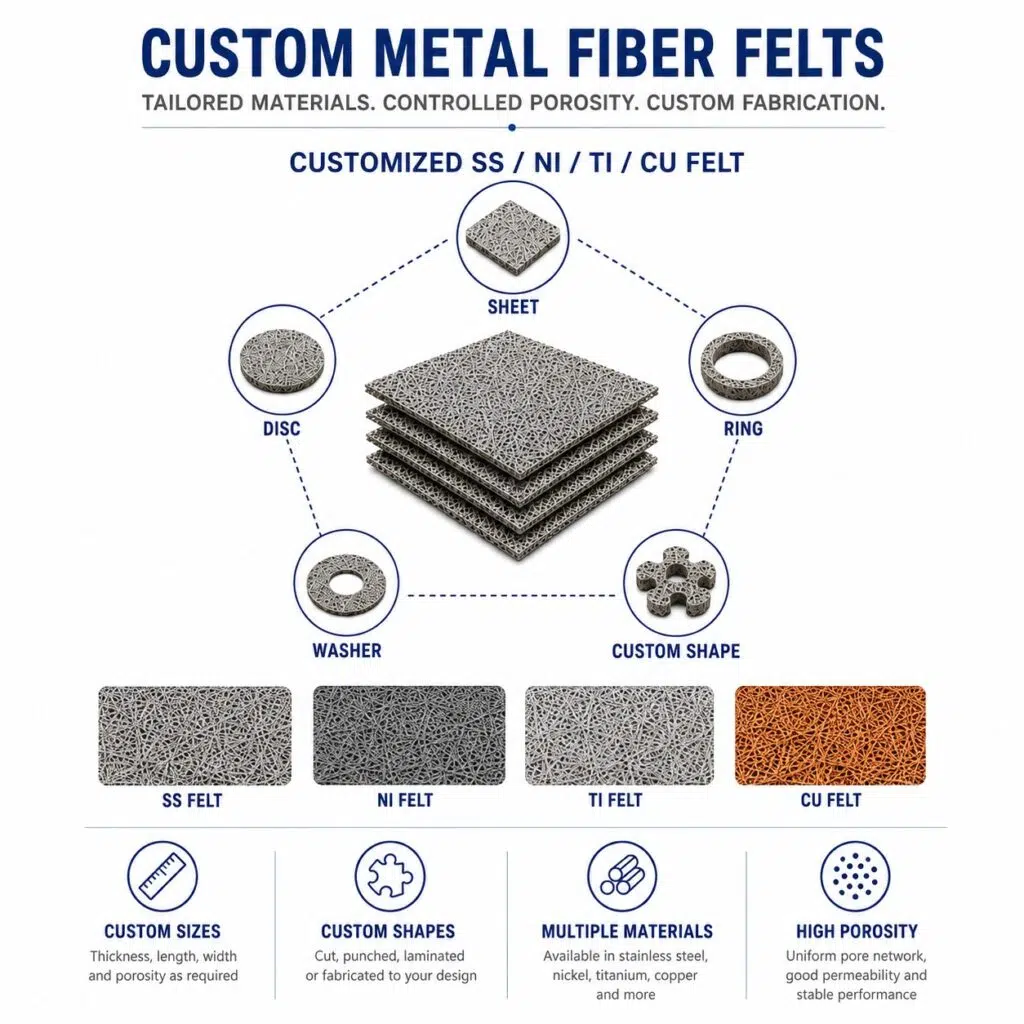
To customize various metal electrodes, please click the picture below for details:
 |
 |
 |
 |
 |
 |
 |
 |