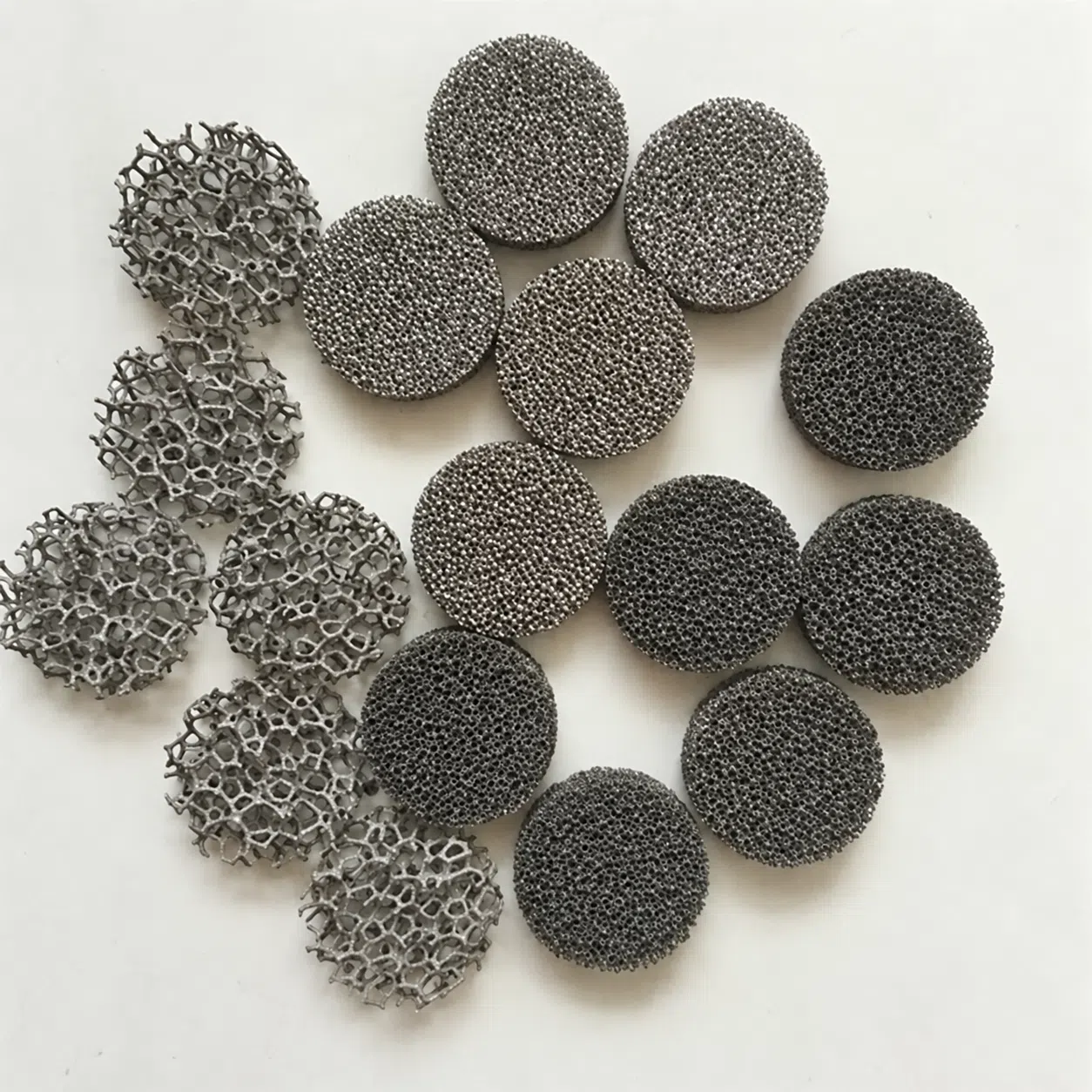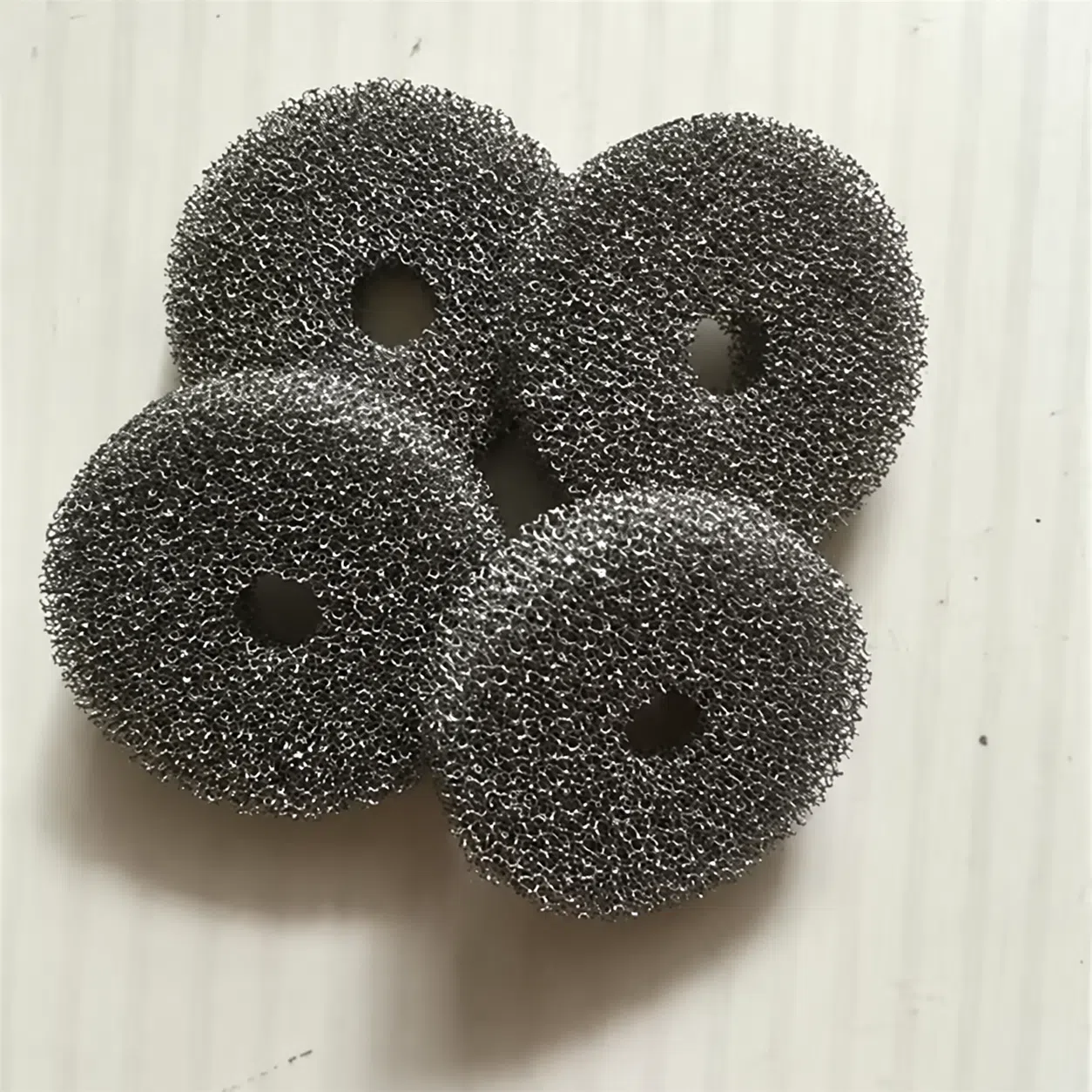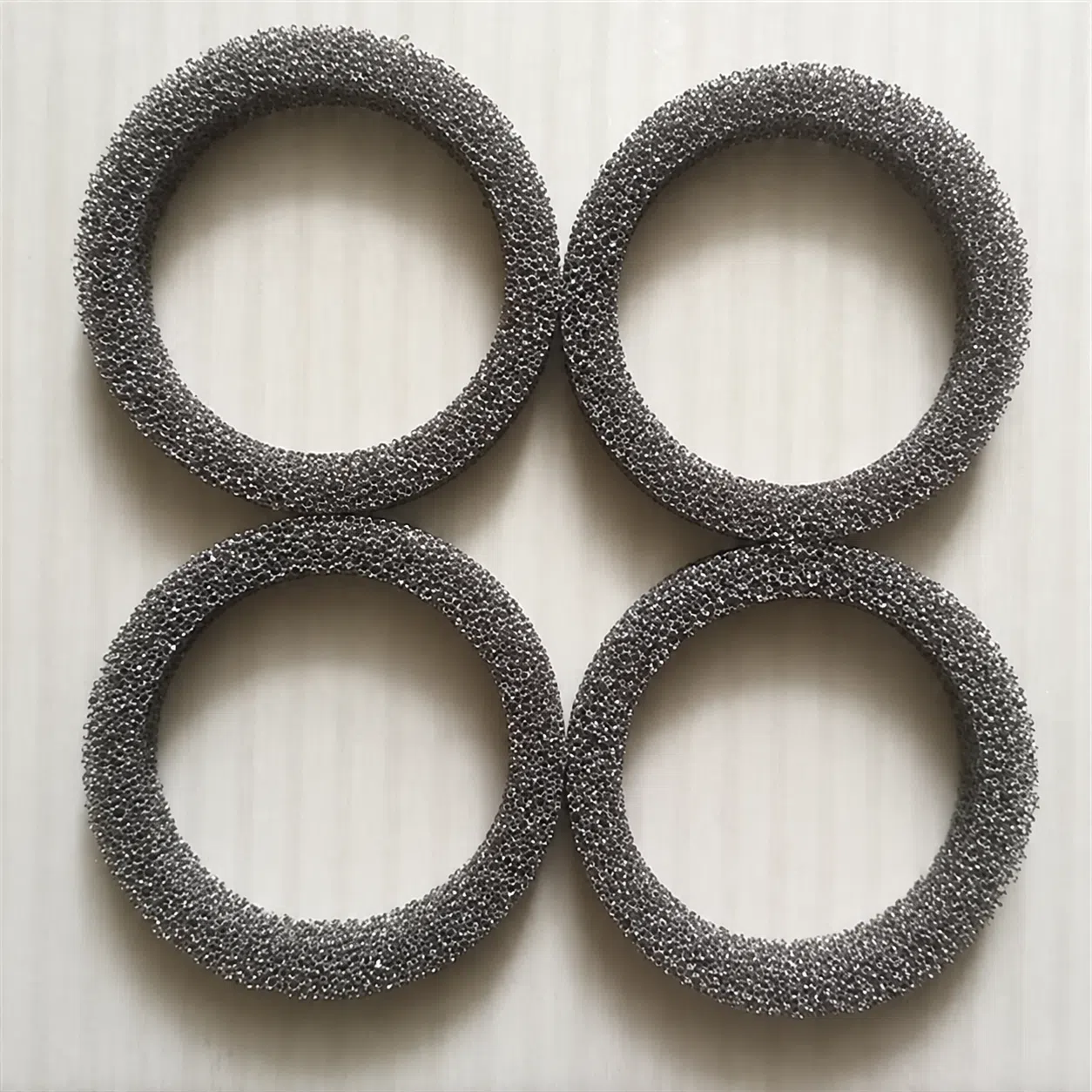







We have produced a series of custom nickel foam prototypes for the Galicia International Institute in Spain. Developed for experimental use in lithium-ion coin cells, these prototypes will support comparative testing of electrical conductivity and durability, helping researchers evaluate material performance under defined laboratory conditions.
Prototype Design for Coin Cell Integration
Coin cell testing requires careful consideration of electrode geometry, component thickness, and interfacial contact. Our nickel foam prototypes were manufactured to meet the customer’s requested form requirements, providing samples for integration into their experimental cell configurations.
Nickel foam features an interconnected, three-dimensional metallic framework with an open porous structure. Depending on the electrode design, this framework can serve as a conductive substrate or a support for active materials. Its suitability for a particular lithium-ion cell, however, depends on factors such as electrode potential, electrolyte chemistry, surface condition, and assembly parameters.
The purpose of this prototype project is to provide a practical basis for investigating these factors rather than assuming that a single material configuration will perform equally well across all test conditions.
Evaluating Electrical Conductivity and Contact Performance
One focus of the planned testing is the electrical performance of nickel foam within the coin cell assembly. Beyond the conductivity of the metal itself, practical performance is influenced by contact between the foam, active material, and adjacent cell components.
Comparative evaluation can help researchers examine:
- Electrical resistance: How the conductive framework contributes to electron transport within the electrode structure.
- Interfacial contact: How contact between the foam and other components affects resistance and measurement consistency.
- Assembly sensitivity: How compression and positioning influence conductive pathways.
- Resistance stability: Whether electrical performance changes during cycling or prolonged exposure to the cell environment.
These assessments can help clarify how the prototypes behave in the intended experimental configuration and support subsequent material selection or design refinement.
Assessing Durability Under Relevant Test Conditions
Durability is another key area of investigation. For porous metallic components, durability involves both the preservation of the physical structure and the stability of electrical contact over time.
The prototypes can be evaluated for structural changes following cell assembly, compression, and electrochemical cycling. Depending on the testing protocol, researchers may also investigate electrolyte compatibility, surface changes, and possible degradation at the selected operating potentials.
Potential evaluation criteria include:
- Retention of the porous framework after assembly and testing.
- Resistance to deformation under controlled compression.
- Maintenance of contact with the electrode materials.
- Changes in electrical resistance or cell impedance over time.
- Evidence of corrosion or other electrochemical degradation under the chosen conditions.
When interpreted alongside suitable control samples, these observations can help distinguish material-related effects from those arising from other cell components or experimental variables.
Supporting Research Through Customized Material Development
This project reflects our commitment to supporting research institutions with customized porous metal materials for experimental evaluation. By producing nickel foam prototypes tailored to the customer’s requirements, we aim to facilitate systematic testing and provide a foundation for further development based on measured results.
The prototypes are intended for research and performance assessment. Any conclusions regarding improved conductivity, extended durability, or suitability for a specific lithium-ion battery application will depend on the results of the customer’s testing.
Suggested image caption: Custom nickel foam prototypes produced for the Galicia International Institute in Spain for conductivity and durability evaluation in lithium-ion coin cell configurations.
Editorial note: Confirm the institute’s official English name before publication.