







Custom Aluminum Sheet Electrodes
Introduction
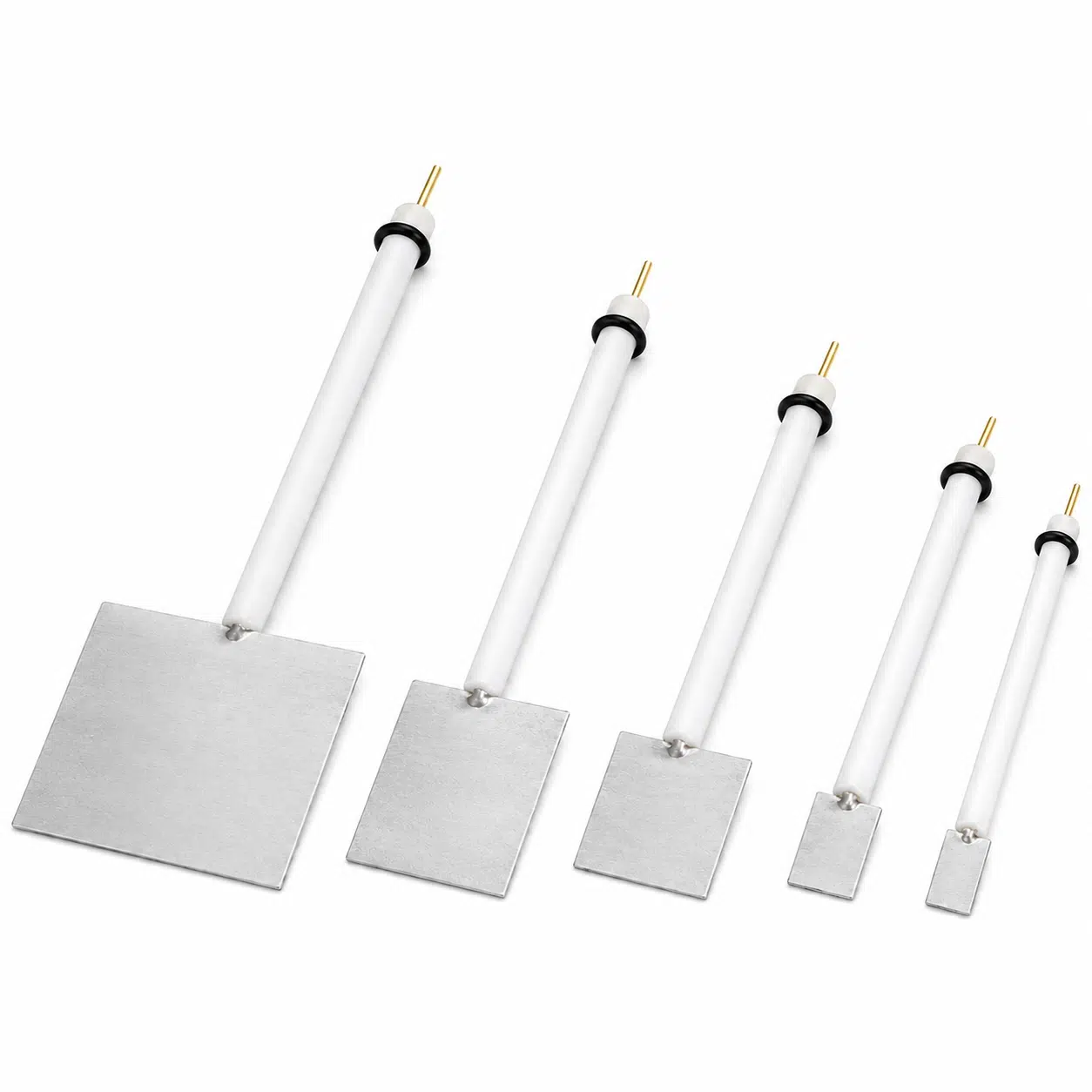
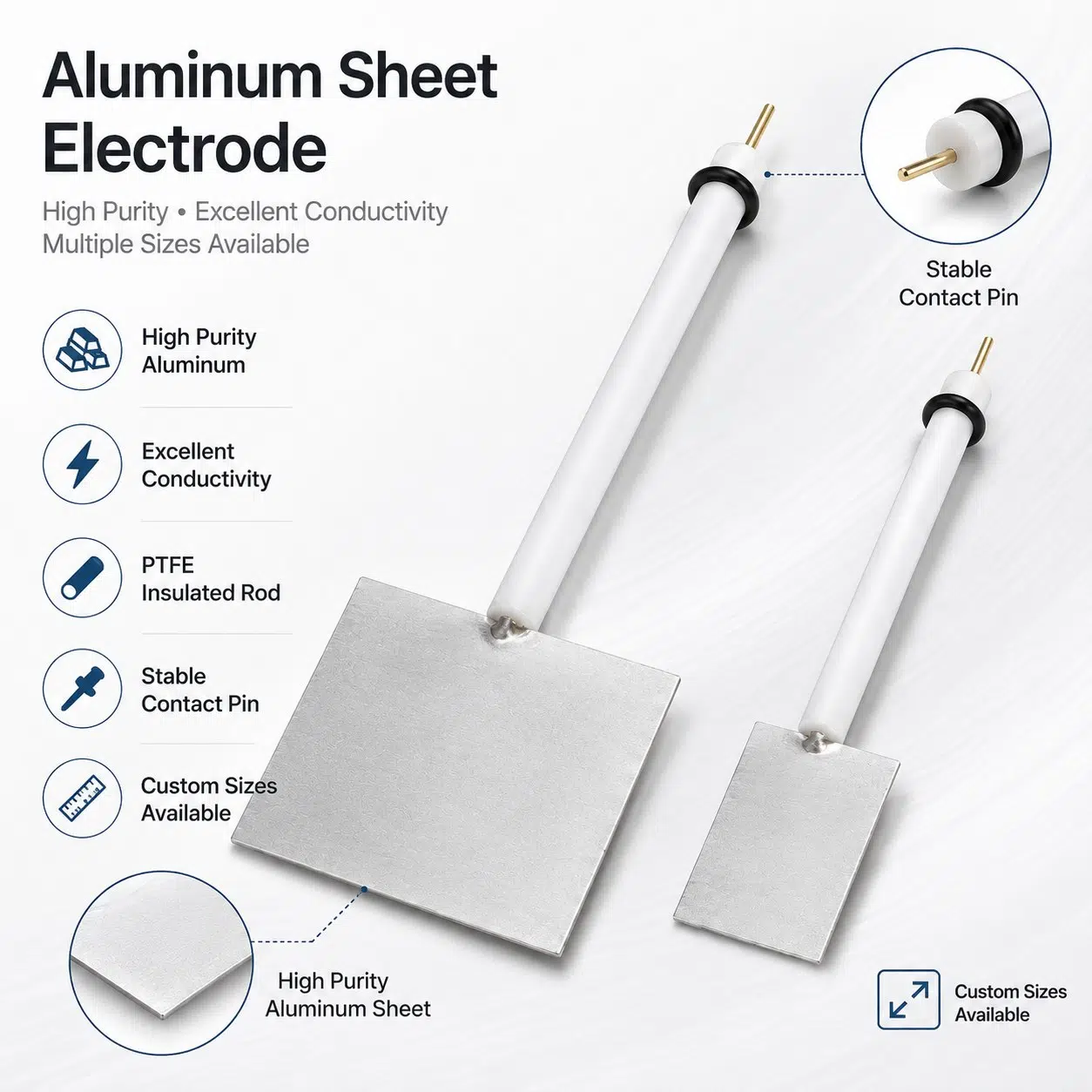
- Aluminum foil electrodes are essential components in modern electronics and energy storage systems, such as lithium-ion batteries, capacitors, and sensors. Made from high-purity aluminum foil with a thin, conductive layer, these electrodes offer excellent electrical conductivity, corrosion resistance, and flexibility, making them ideal for applications in electric vehicles, portable devices, and renewable energy setups. Customers often choose them for their lightweight design, which reduces overall device weight without compromising performance, and their cost-effectiveness compared to alternatives like copper-based electrodes. With global demand rising due to the push for sustainable tech, these electrodes are readily available from reliable suppliers, ensuring quick delivery and compatibility with various manufacturing processes.
-
What makes aluminum foil electrodes a smart buy for customers is their superior durability and adaptability in high-demand environments, such as fast-charging batteries or industrial sensors, where they maintain stable performance over thousands of cycles. Priced competitively, they provide a high return on investment by extending the lifespan of devices and reducing maintenance costs, which is why they’re popular among manufacturers and hobbyists alike. Based on web trends, users searching for these products value their eco-friendly aspects, as aluminum is recyclable and abundant, aligning with green initiatives. If you’re looking to upgrade your projects or production lines, opting for quality aluminum foil electrodes ensures reliability, backed by positive reviews from industry leaders in electronics and automotive sectors—making them a must-have for anyone prioritizing efficiency and innovation.
Spécifications
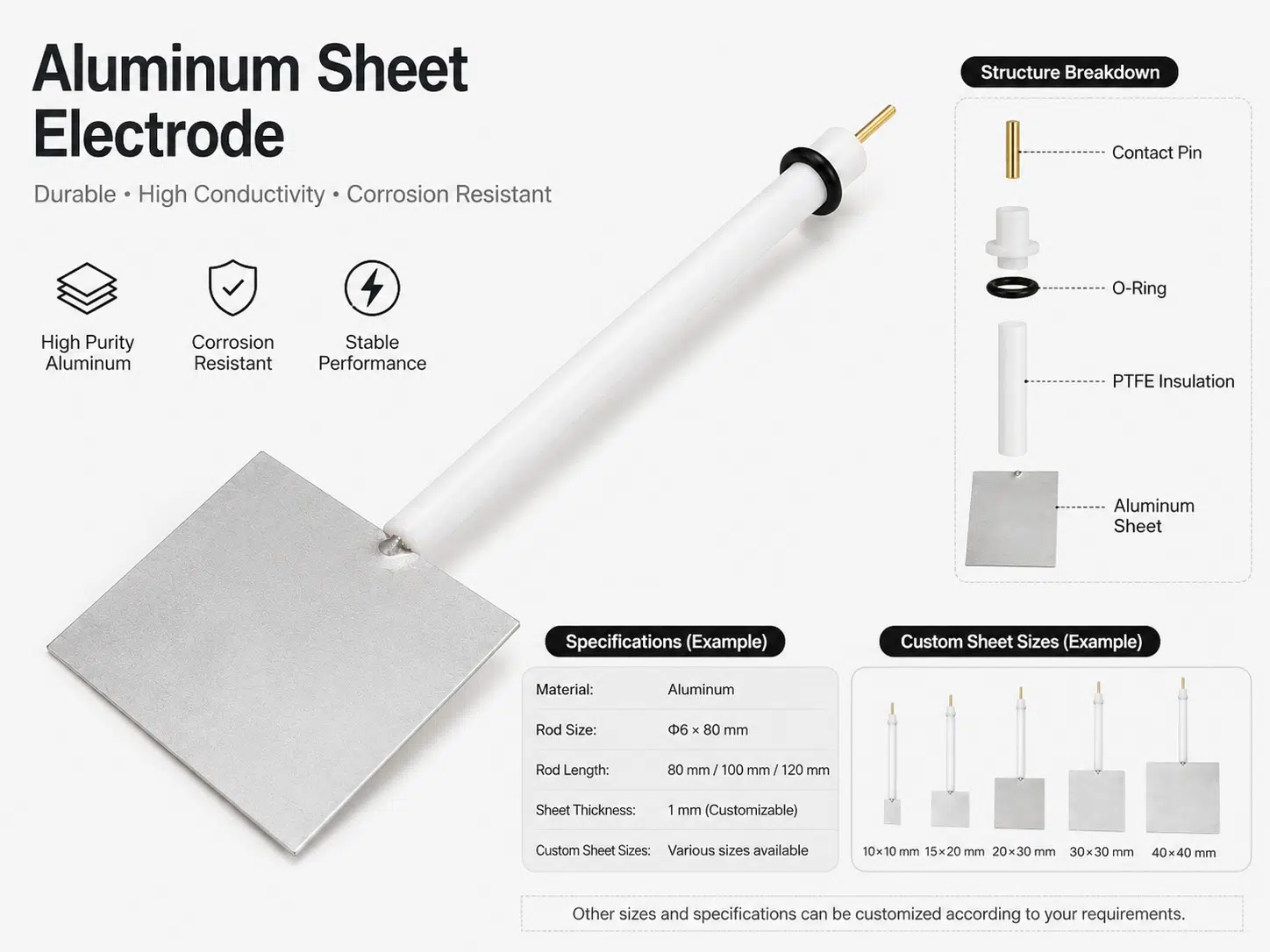
| Type | Aluminum Sheet / Plate / Disc Electrode |
| Material Grade | High-purity wrought aluminum (e.g., 1050, 1060, 1100, 3003, 5052, 6061); other aluminum alloys available on request |
| Pureté | Typically ≥99.9% Al for high-purity grades (depending on alloy and application requirements) |
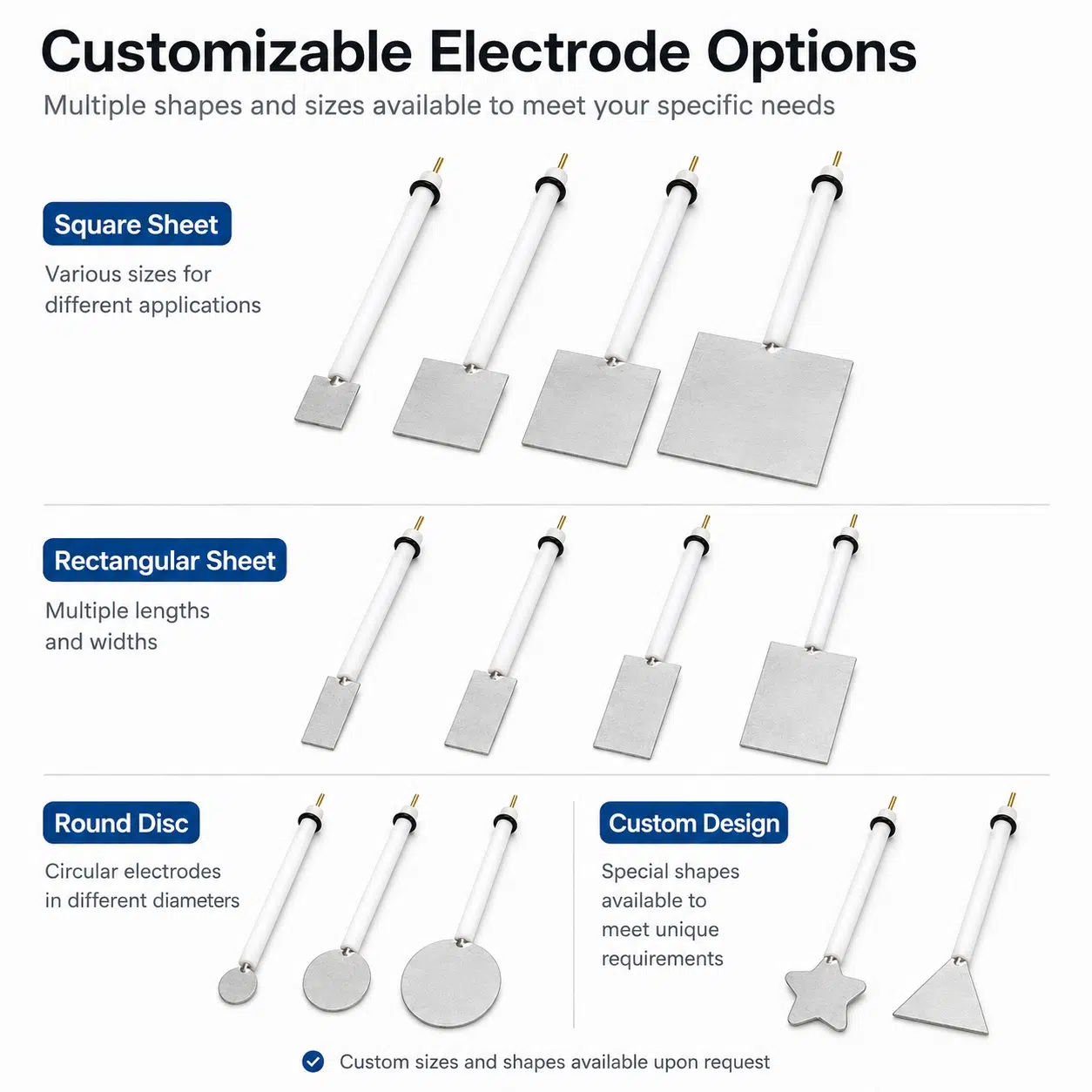
| Formulaire | Flat sheet, plate, disc, strip, or foil; supplied as single pieces, matched sets, or bulk batches |
| Épaisseur | Customizable (typically 0.01–20 mm or as requested) |
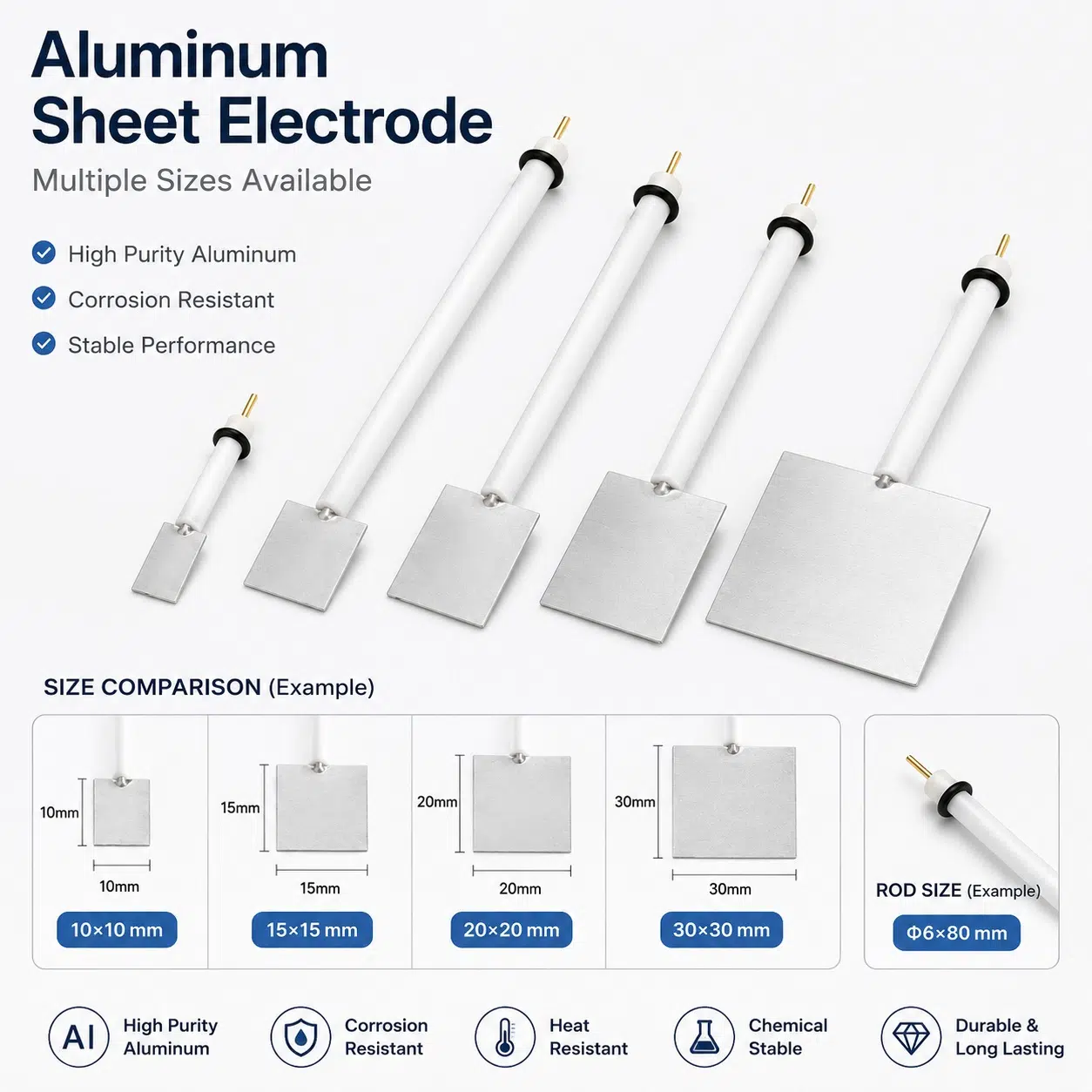
| Taille et forme | Fully customizable length, width, and diameter; rectangular, square, circular (disc), ring, and CNC‑machined special shapes per drawing |
| Surface Finish | Mill finish, bright, brushed, mirror‑polished, matte, or lightly textured to increase effective surface area |
| Surface Treatment / Coating | Bare aluminum, anodized surface, chemically cleaned/etched, conductive coatings (e.g., carbon layer) available on request |
| Hole / Slot / Mesh Design | Precision drilled or punched holes, slots, notches, perforated patterns, or expanded‑mesh structures to improve electrolyte flow and CDA |
| Corrosion Resistance | Good corrosion resistance in many neutral and slightly alkaline solutions; optional surface treatment to improve durability in harsh media |
| Mechanical Strength | High strength‑to‑weight ratio; excellent formability and ductility; suitable for cutting, bending, punching, and light welding |
| Operating Temperature | Stable performance in typical electrochemical conditions; generally suitable up to about 200–300 °C depending on alloy and environment |
| Surface Flatness | Tight tolerances on thickness and flatness to ensure uniform contact resistance and consistent current distribution |
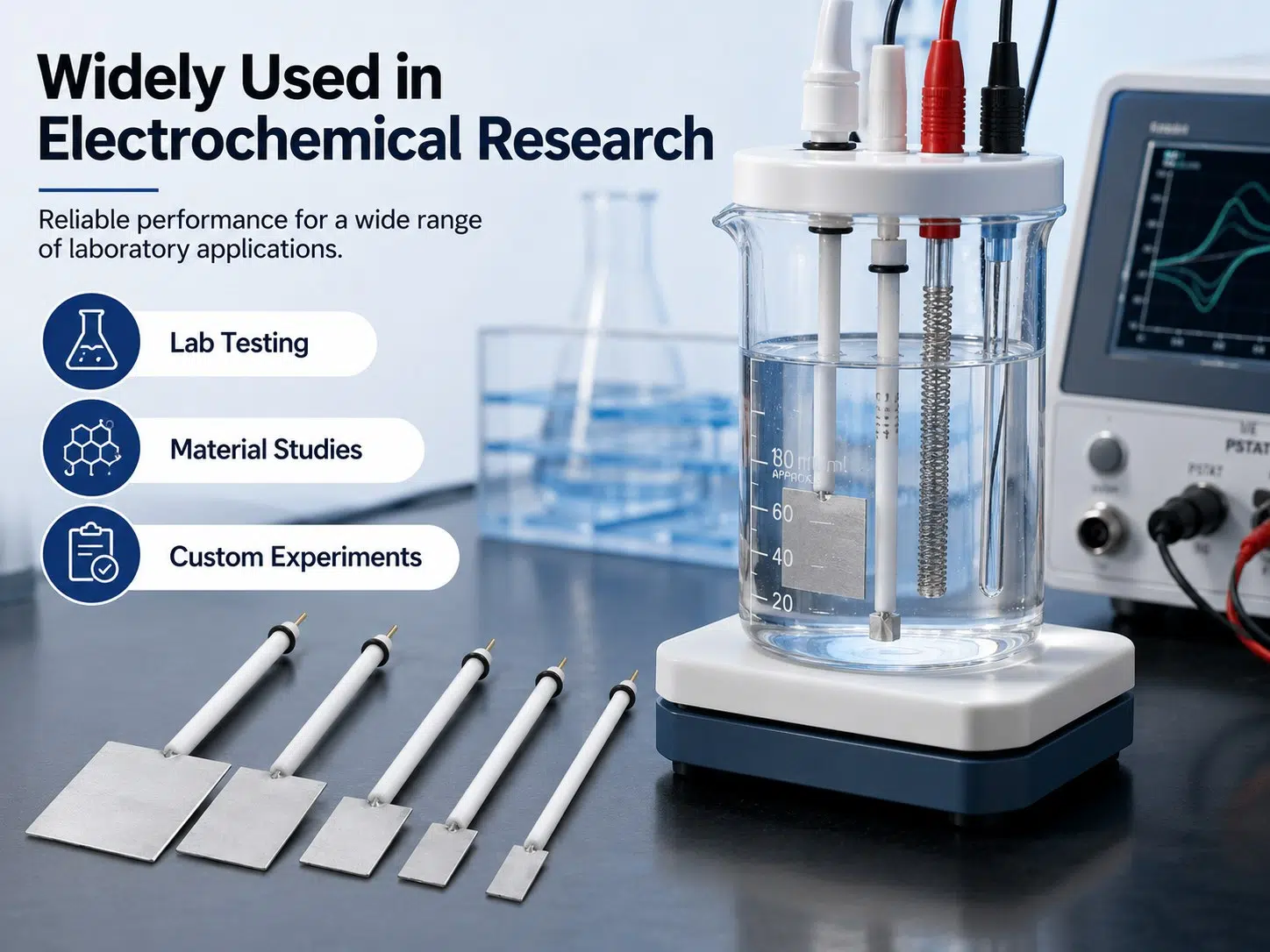
| Application Range | Used in battery and supercapacitor research, current collectors, sensor electrodes, electrolytic cells, corrosion studies, and teaching |
| Customization | Full support for laser/water‑jet cutting, CNC machining, bending, stamping, tab welding, and complete electrode assemblies per drawings |
Reference dimensions
| 0.1mm*5mm*10mm | 0.2mm*5mm*10mm | 0.1mm*10mm*20mm |
| 0.2mm*20mm*20mm | 0.3mm*20mm*30mm | 0.1mm*20mm*50mm |
| 0.2mm*30mm*100mm | 0.1to 0.5mm*50mm*50mm | La taille peut être personnalisée. |
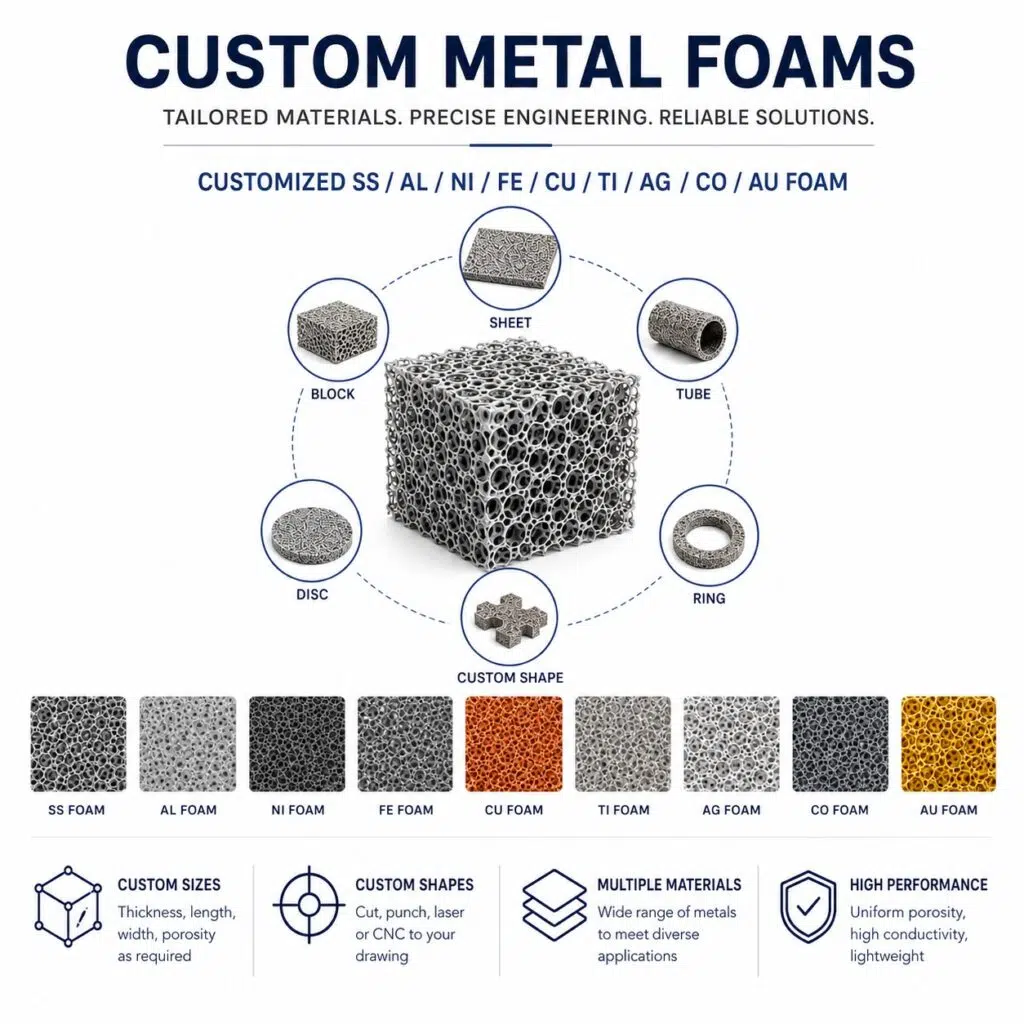
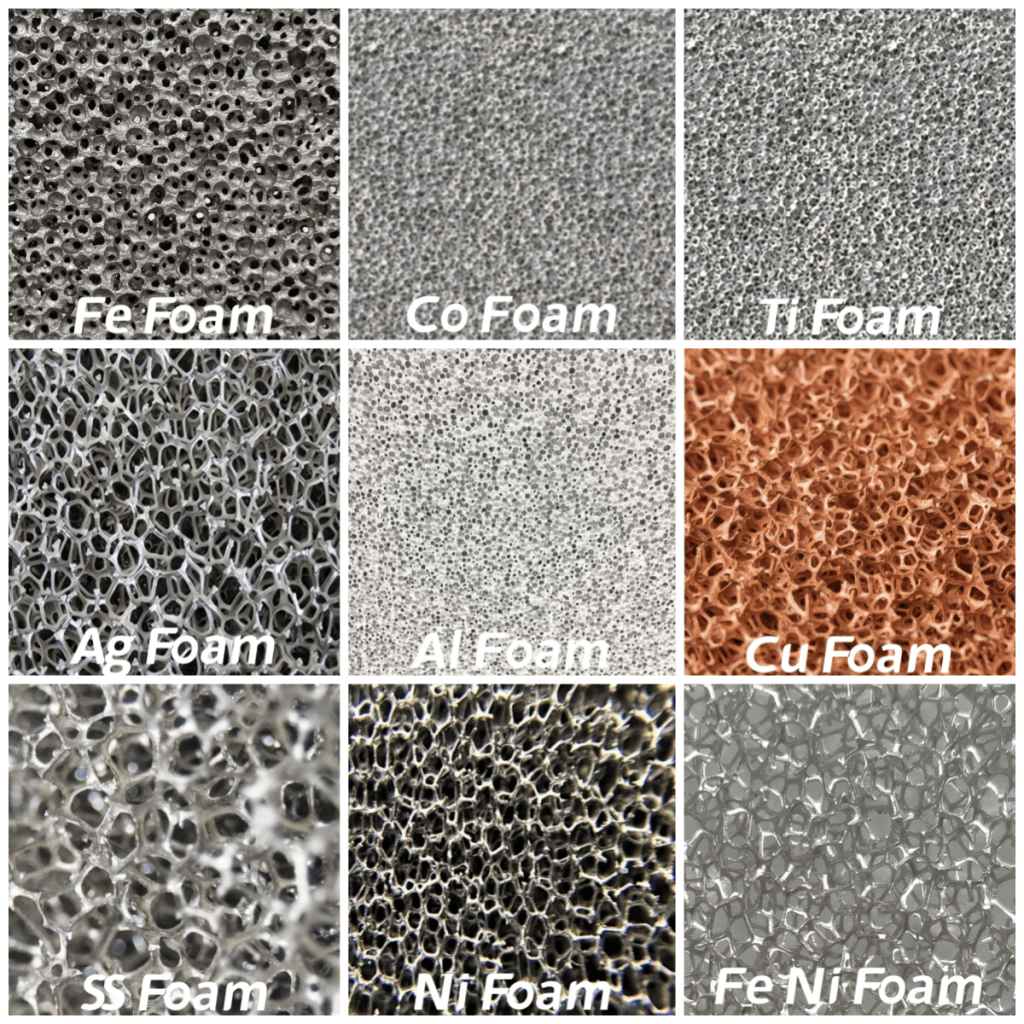
To customize various metal electrodes, please click the picture below for details:
 |
 |
 |
 |
 |
 |
 |
 |