






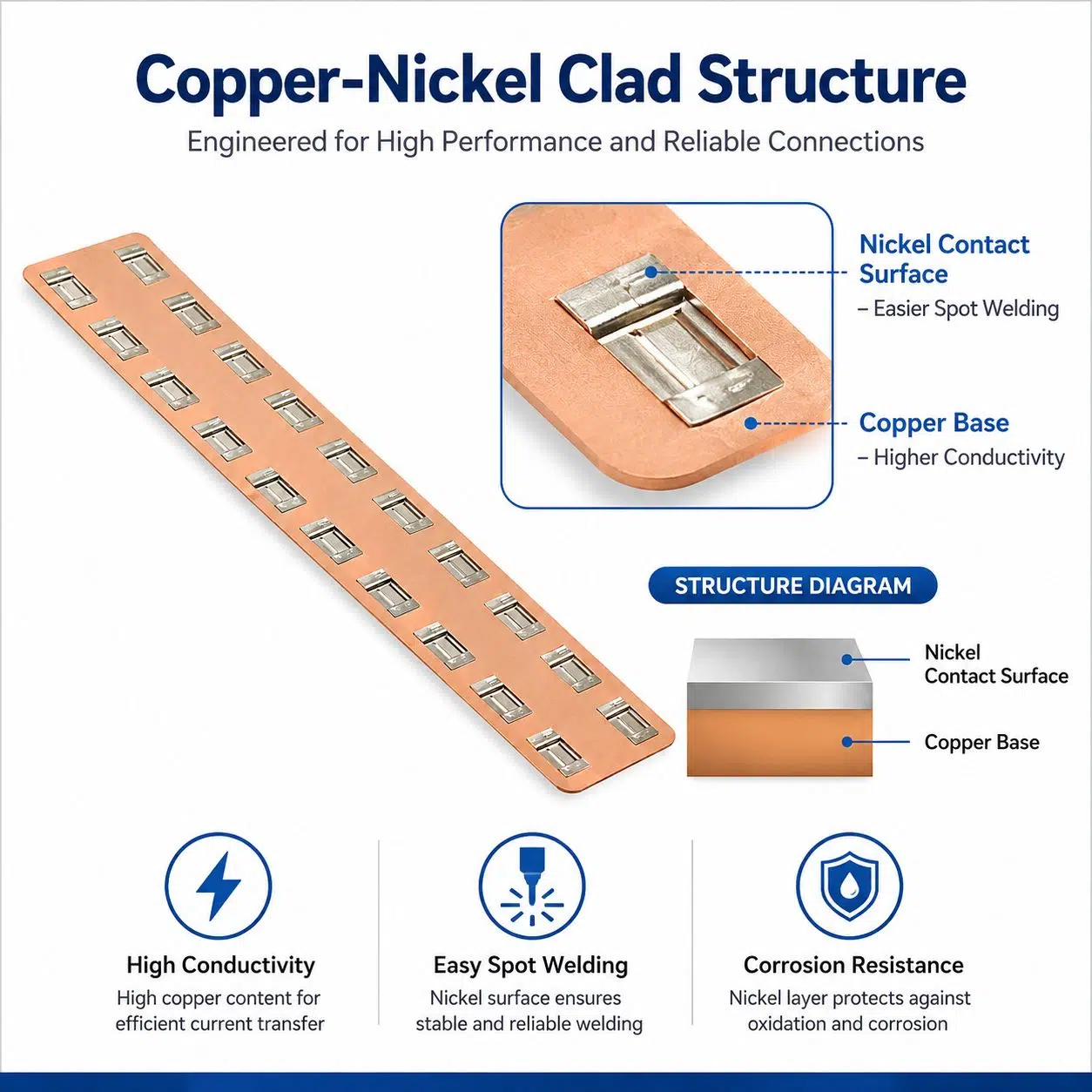
Custom Copper Nickel Clad Strip
はじめに
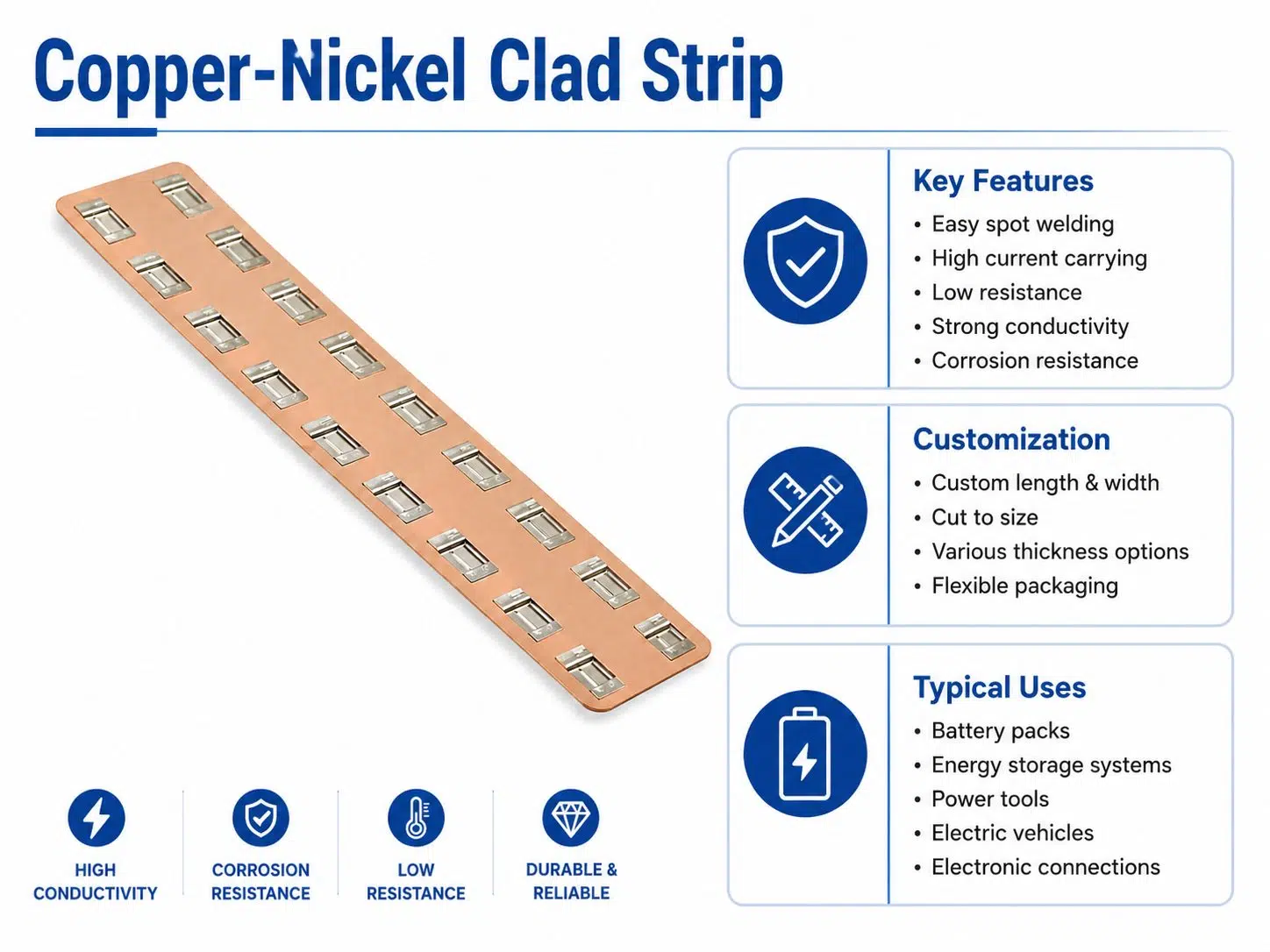
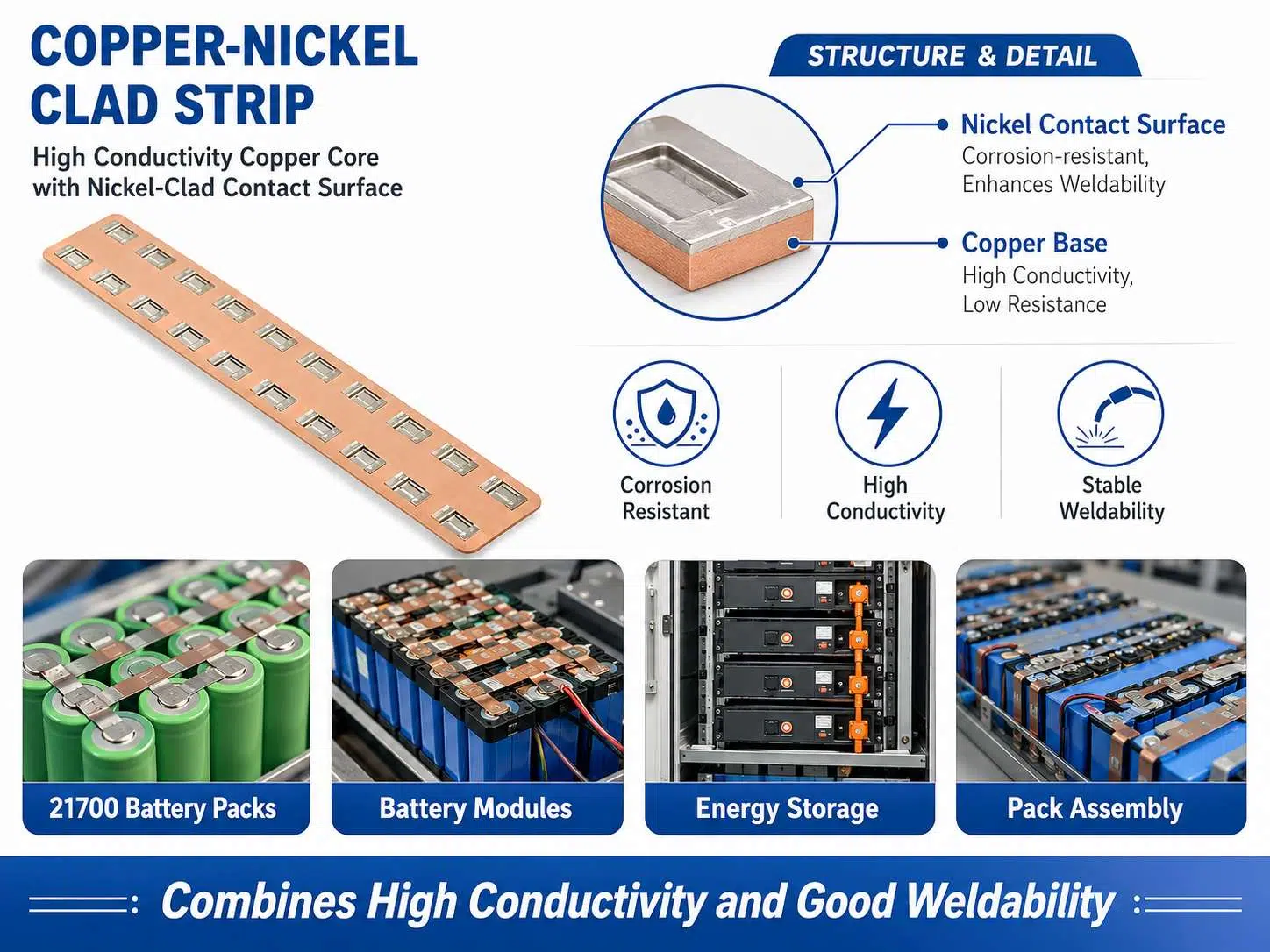
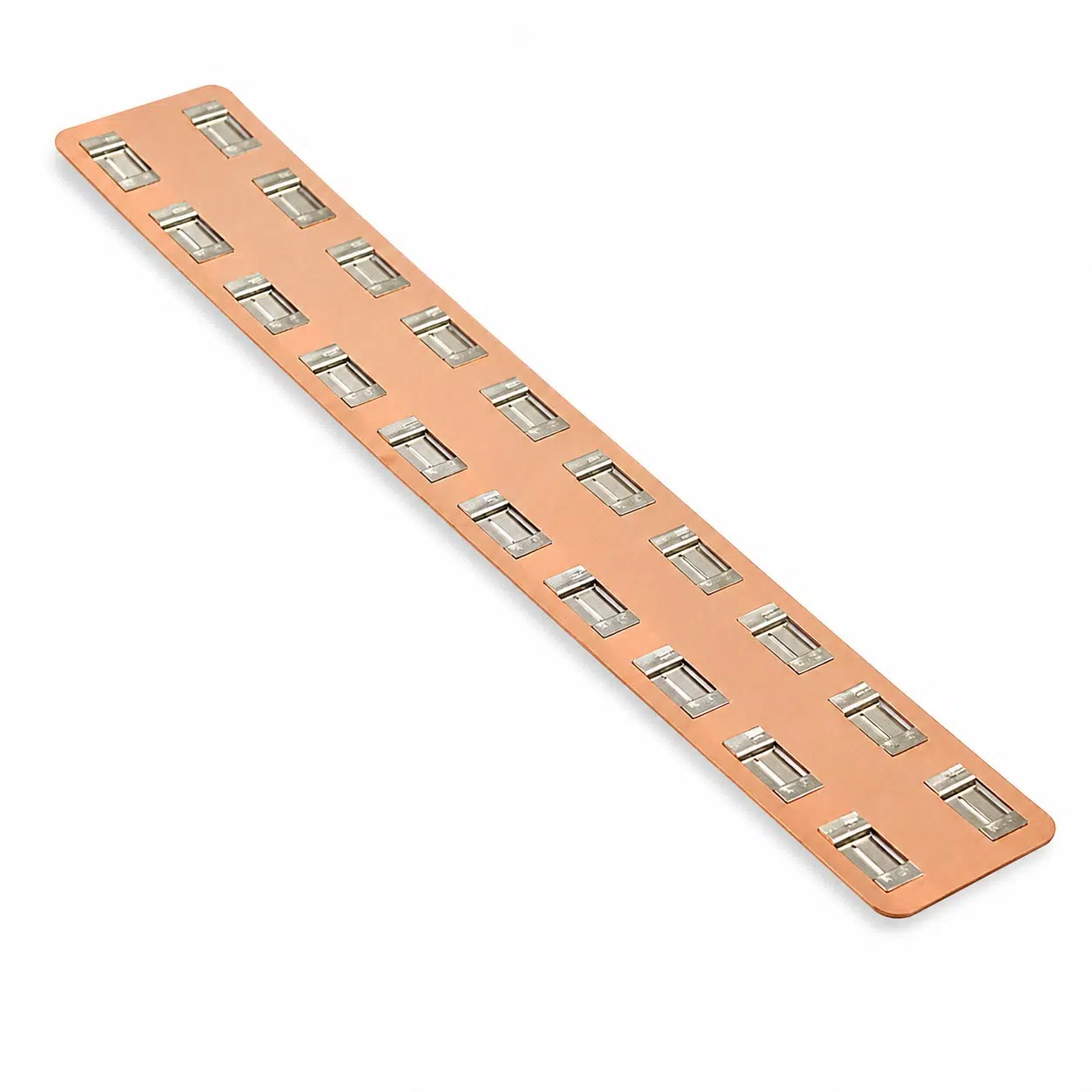
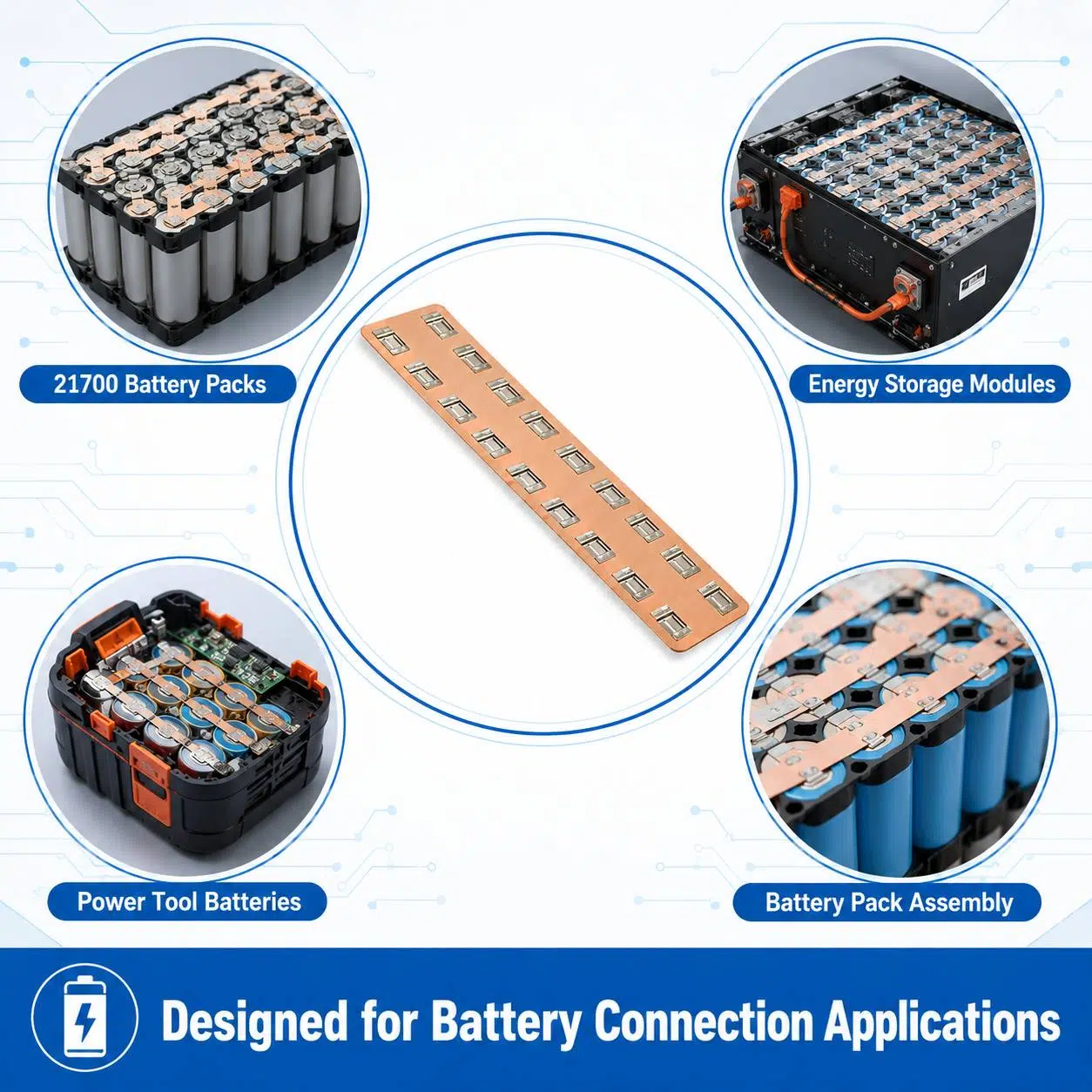
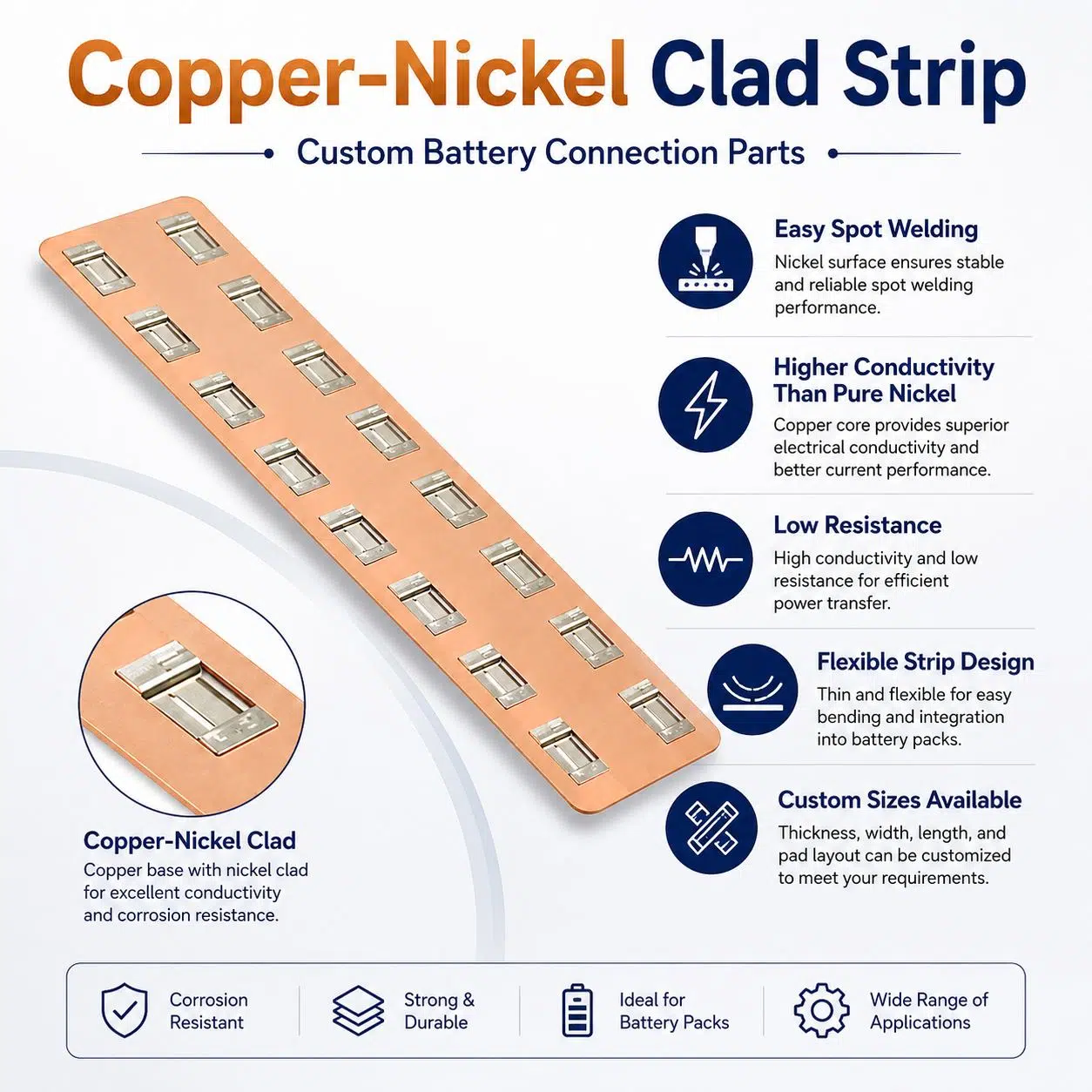
- Copper Nickel Clad Strip is a bimetal composite that bonds high‑conductivity copper with corrosion‑resistant nickel through roll‑bonding and diffusion technology. The copper layer offers excellent electrical and thermal conductivity and good formability, while the nickel layer provides outstanding corrosion resistance, wear resistance, and stable contact properties. This makes Cu–Ni clad strip widely used in electrical connectors, terminals, lead frames, coinage, decorative hardware, and precision electronic components that require both good conductivity and a durable surface.
-
We provide fully customizable Copper Nickel Clad Strips, including total thickness, Cu/Ni thickness ratio, width, coil length, mechanical properties, and surface finish. The strips feature strong metallurgical bonding, uniform cladding, and low contact resistance, and are suitable for stamping, bending, deep drawing, and CNC processing. Optional surface treatments such as bright annealing, polishing, and special cleaning are available to improve solderability and plating adhesion. OEM/ODM services and engineering support are offered to match your specific design, processing, and performance requirements.
仕様
タイプ Copper‑Nickel Clad Strip / Coil / Ribbon / Bimetal Composite Structure Metallurgically bonded Cu–Ni composite: typically Cu/Ni or Ni/Cu/Ni layered structures produced by roll‑bonding and diffusion bonding Material Grade High‑conductivity copper (e.g., C11000, T2, ETP/OF copper) clad with nickel or nickel alloys (e.g., Ni200/201, Ni‑Cu alloys, CuNi 10/30 etc., depending on application) Cu/Ni Ratio (Volume/Area) Customizable copper and nickel thickness ratio (e.g., 10/90, 20/80, 30/70, 50/50 etc.), optimized for contact performance, conductivity, and surface durability Electrical & Thermal Conduct. Copper layer provides excellent electrical and thermal conductivity; nickel layer offers stable contact resistance and improved wear and corrosion resistance フォーム Narrow strip, coil, ribbon, or flat stock; supplied as continuous coils, cut‑to‑length strips, or stamped/machined parts for connectors and precision components Thickness Range Customizable total thickness, typically from about 0.05 mm to 3.0 mm (or more on request); individual Cu and Ni layer thicknesses adjustable according to design and current‑carrying needs Width & Length Strip width typically from a few millimeters up to 300–400 mm (depending on thickness); supplied in coils or cut lengths according to customer specification Bonding Method Solid‑state roll bonding and subsequent thermal treatment/diffusion bonding to form a continuous, high‑strength metallurgical interface between copper and nickel layers Interface Quality High bonding strength, uniform cladding, low interface resistance, and good peel strength suitable for high‑reliability electrical and electronic applications Mechanical Properties Good formability and strength; suitable for stamping, bending, drawing, and fine blanking; nickel surface enhances wear resistance of contact and sliding areas Density & Cost Balance Bimetal design reduces usage of solid nickel while maintaining a nickel working surface, lowering material cost compared with all‑nickel parts Surface Finish As‑rolled, bright‑annealed, matte, or brushed finish; controlled surface roughness for improved plating, welding, or bonding performance Surface Treatment Degreased and cleaned as standard; optional surface polishing, special cleaning for semiconductor/electronic grade, or pre‑plating (e.g., tin, silver) on the nickel or copper side as required Weldability & Joining Suitable for resistance welding, laser welding, soldering, and brazing; good compatibility with common contact, terminal, and connector joining processes Corrosion & Wear Resistance Nickel layer provides excellent resistance to corrosion, oxidation, and wear in many atmospheres and mild chemical environments, protecting the copper substrate Dimensional Tolerances Tight control of thickness, width, and flatness to ensure stable stamping performance, consistent contact force, and reliable electrical properties Standards & Reference Manufactured with reference to relevant copper and nickel material standards (e.g., ASTM/EN/GB for base metals and cladding quality); specific grades and tolerances on request Application Range Electrical connectors and terminals, contact springs, lead frames, coinage and tokens, decorative hardware, shielding components, precision electronic parts, and sensing elements Processing Capability Supports slitting, shearing, precision stamping, progressive die forming, fine blanking, punching, drilling, and CNC profiling; suitable for high‑volume automated production lines Customization Tailored Cu/Ni structure, thickness, width, coil inner/outer diameter, mechanical properties, surface finish, and pre‑stamped geometries according to drawings or CAD files Packaging Supplied in sealed coils or bundled strips with edge protection; anti‑corrosion wrapping and reel/wooden case packaging available for safe storage and transport
参考寸法
| 0.1mm*50mm*50mm | 0.2mm×100mm×100mm | 0.1mm*200mm*200mm |
| 0.2mm*300mm*3000mm | 0.3mm*500mm*500mm | 0.1mm*500mm*1000mm |
| 0.2mm*500mm*2000mm | 0.1mm to 50mm*1000mm*1000mm | サイズはカスタマイズ可能です |