





Custom Silver Electrodes
Introdução
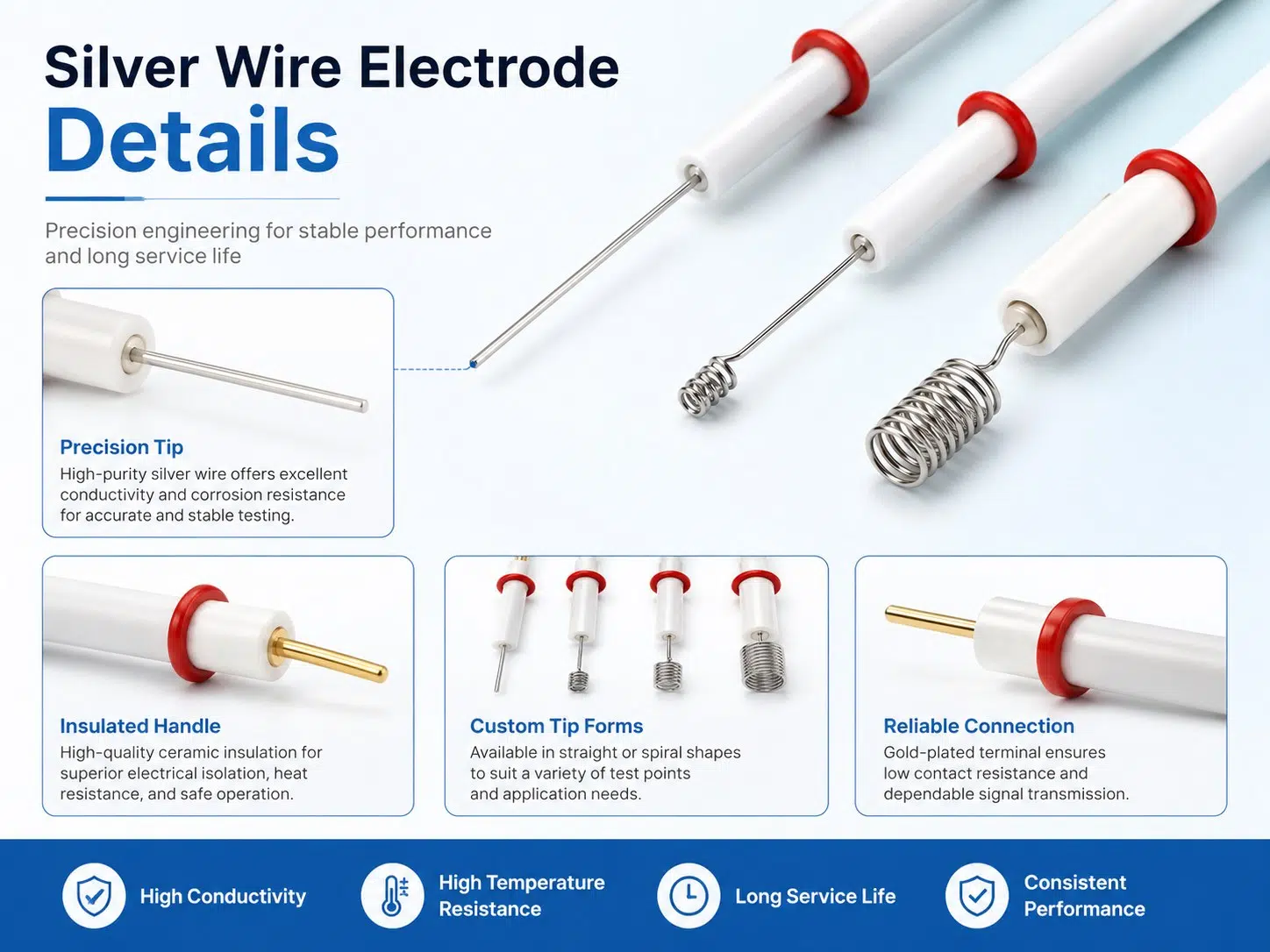
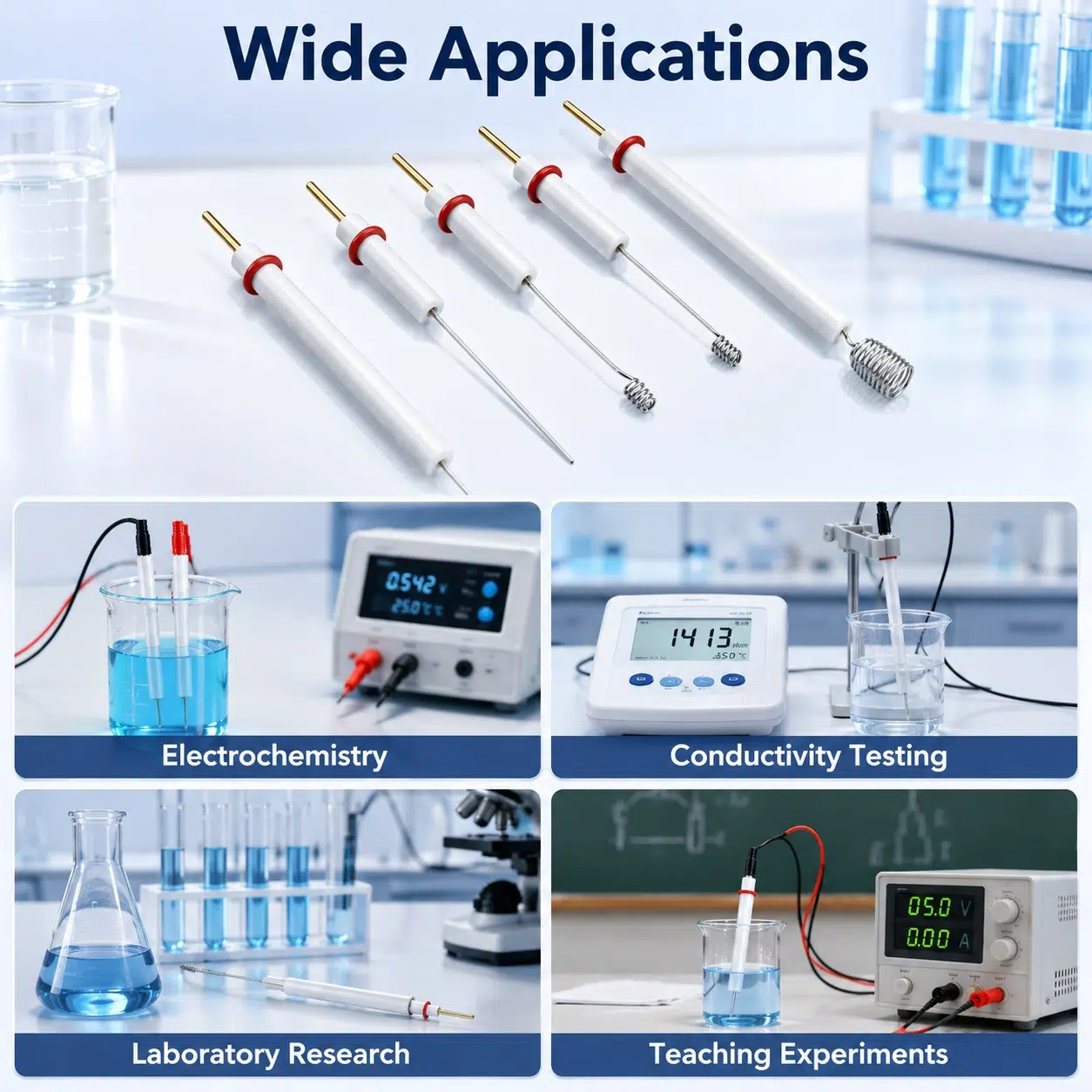
- Our silver wire electrodes are manufactured from ultra-high-purity silver (Ag ≥ 99.99%), making them the ideal choice for sensitive electrochemical measurements and high-precision sensor development. Known for having the highest electrical and thermal conductivity of all metals, these silver wires ensure minimal background noise and exceptional signal-to-noise ratios, which are critical for Ag/AgCl reference electrodes and analytical chemistry. Each wire is processed to maintain a uniform surface and consistent grain structure, providing the stability and reproducibility required for complex redox reactions, neurophysiological studies, and micro-electrode fabrication.
-
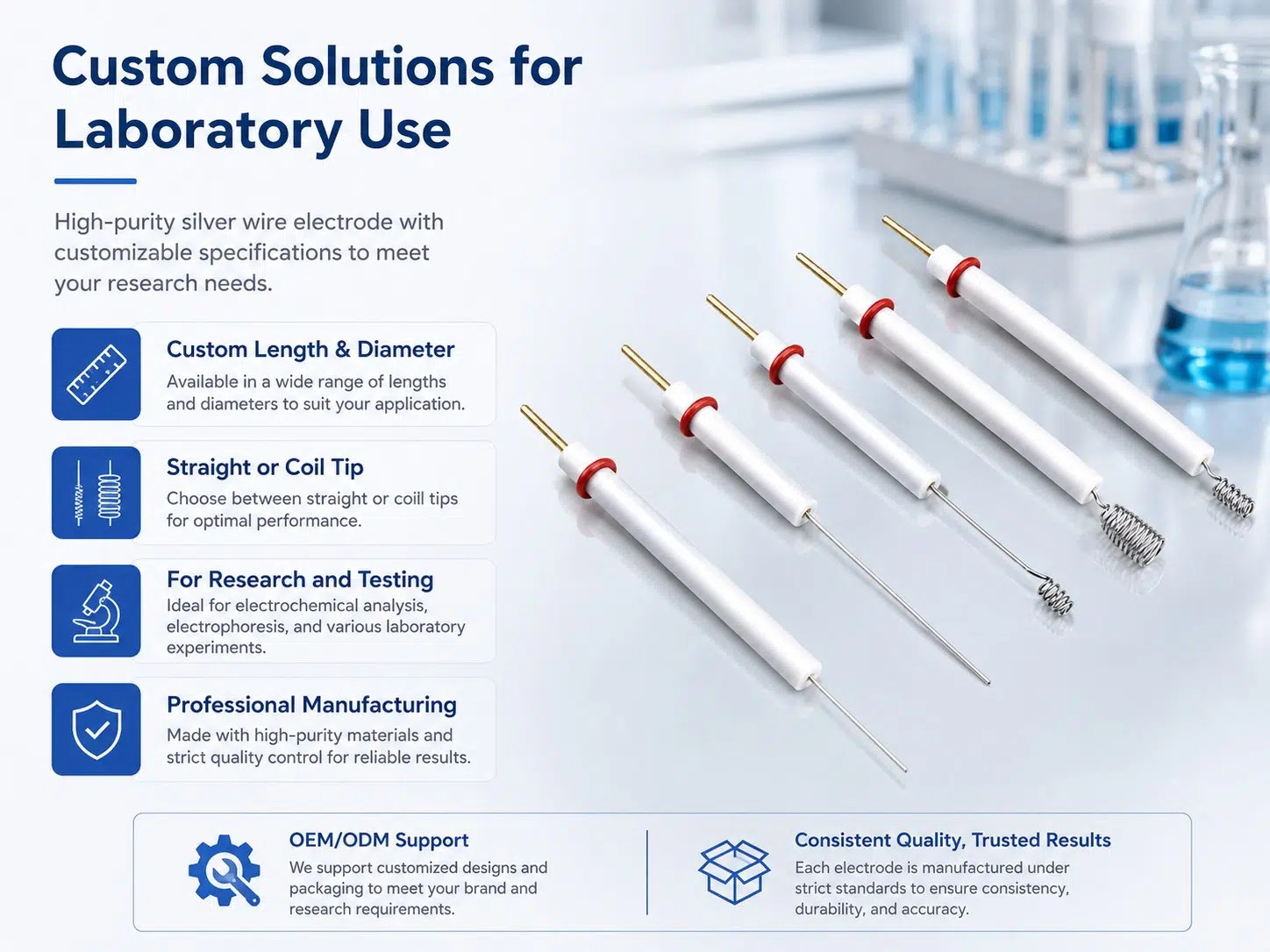
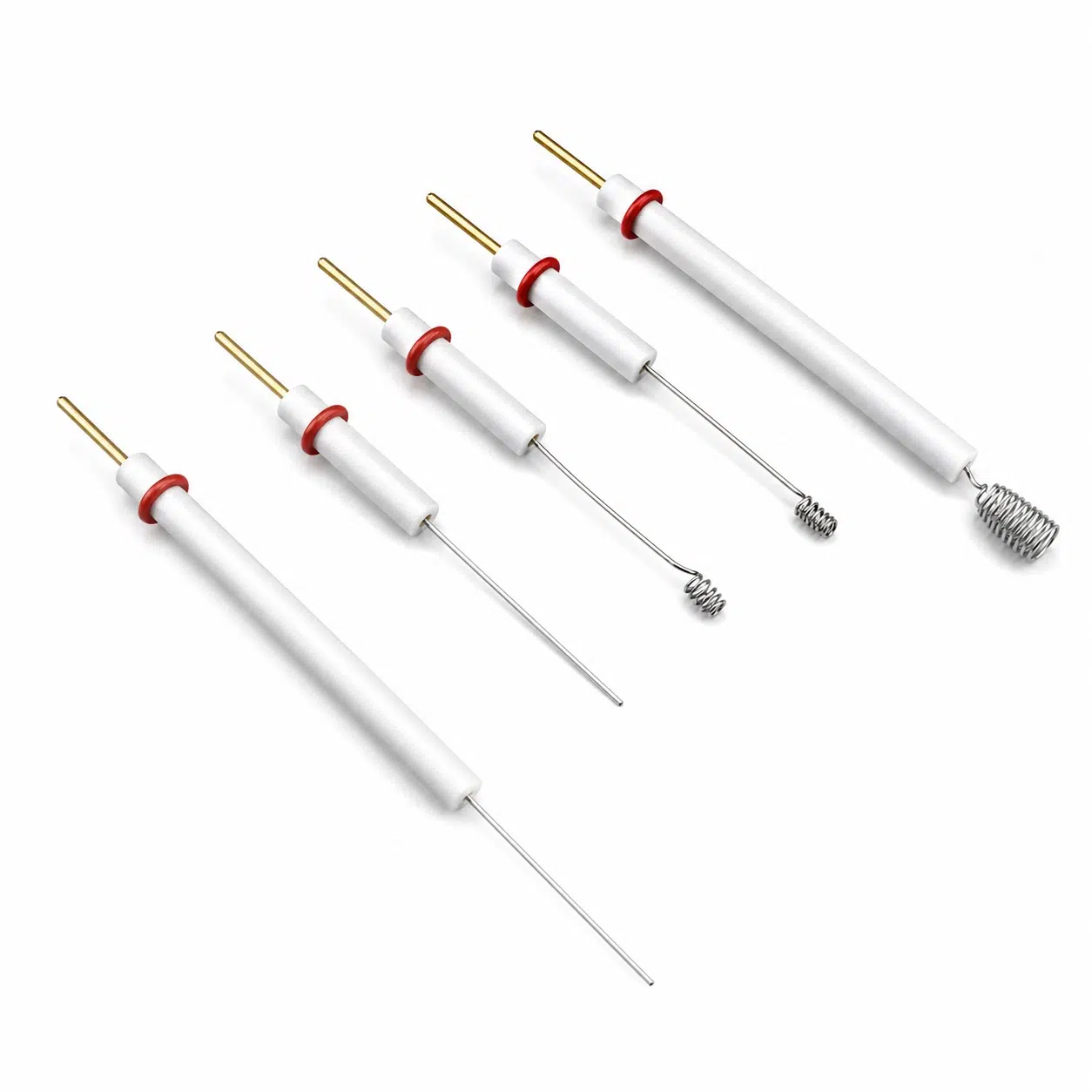
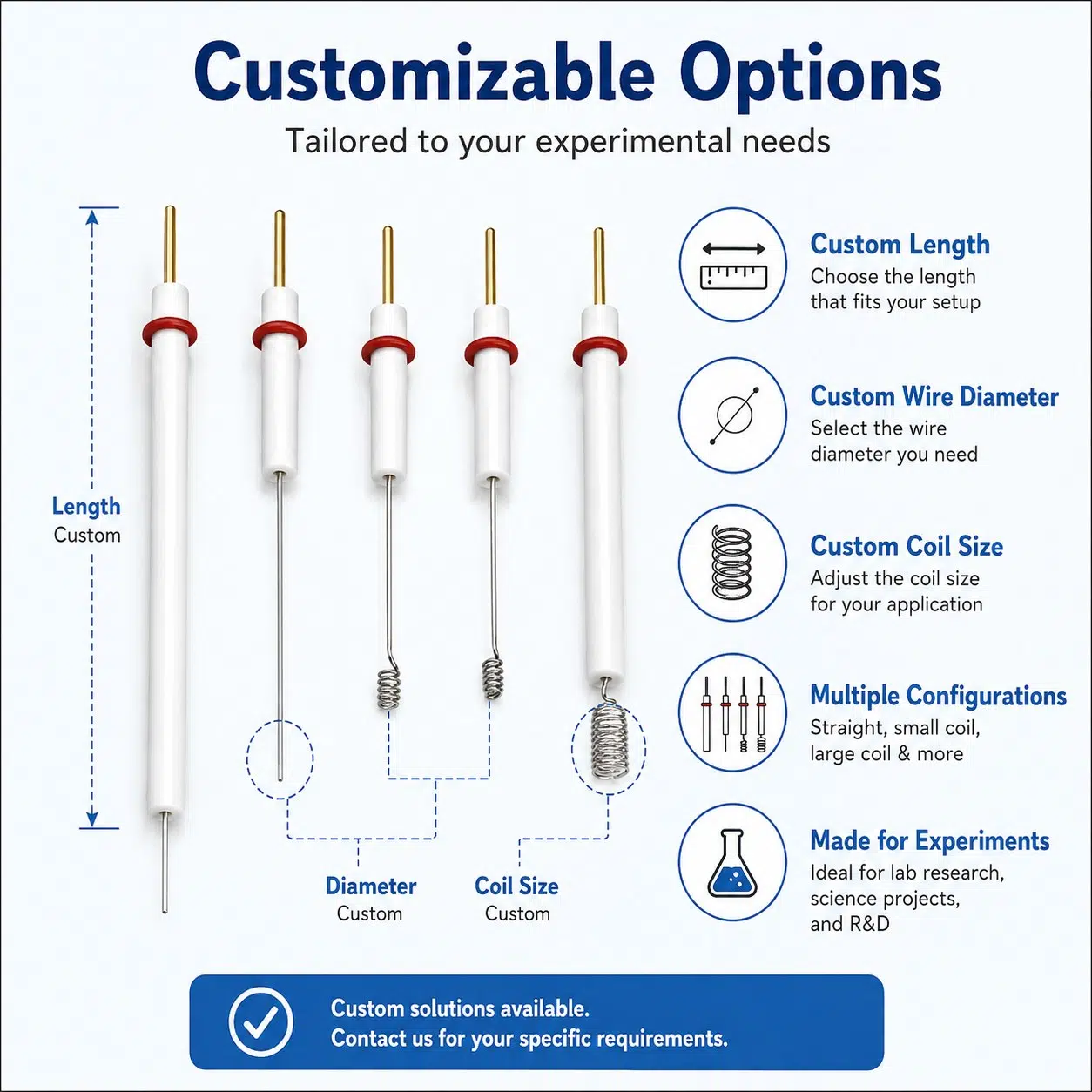
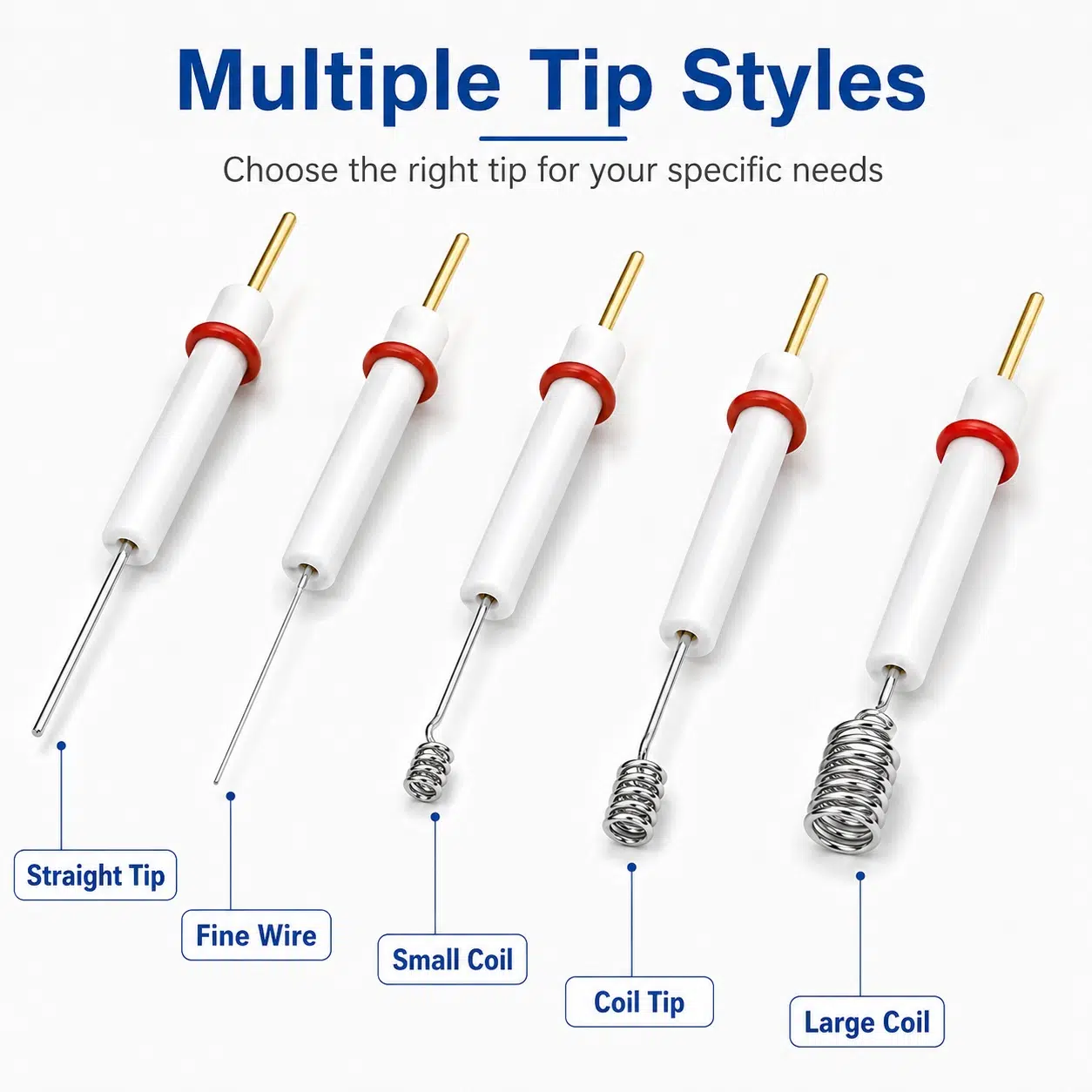
We offer extensive customization options for our silver wire electrodes to meet the specific demands of your research or industrial setup. Whether you require micro-diameter silver wires (measured in microns) for biosensors or thicker gauge wires for industrial electrolysis, we can provide precision-cut lengths, specific annealing states (soft or hard), and even coiled or pre-shaped geometries. Our silver wires are widely utilized in medical devices, chemical sensors, and advanced battery R&D. With full support for custom diameters, surface activation treatments, and specialized packaging, we provide a reliable, ready-to-use solution that accelerates your innovation and optimizes system performance.
Especificações
| Tipo | Silver Sheet / Plate / Disc / Strip / Ag Electrode |
| Material Grade | High‑purity Silver (e.g., ≥Ag 99.9%, 99.99%, 99.999% electronic/analytical grade); specialized Ag alloys (e.g., Ag‑Pd, Ag‑Cu) available on request |
| Pureza | Typically ≥99.9%, ≥99.99%, or ≥99.999% Ag (ultra‑high purity for stable electrochemical behavior and low background noise) |
| Formulário | Flat sheet, plate, circular disc, strip, ribbon, or ultra‑thin foil; supplied as single pieces, matched sets, or bulk lots |
| Espessura | Customizable (typically 0.01 mm – 10 mm; ultra‑thin foils available for sensors and micro‑electrode applications) |
| Tamanho e forma | Fully customizable dimensions; precision‑cut rectangles, squares, round discs, rings, and complex CNC‑machined geometries per drawings |
| Surface Finish | Mill finish, bright/mirror‑polished, brushed, matte, or micro‑textured to optimize electrochemical active area |
| Surface Treatment / Coating | Bare silver (standard), chemically cleaned/degreased, electrochemically polished, or functionalized surfaces for sensor and reference electrode use |
| Hole / Slot / Mesh Design | Precision drilled or punched holes, mounting slots, perforated patterns, or silver mesh/expanded structures for improved electrolyte access and mass transfer |
| Corrosion Performance | Excellent electrical conductivity and good stability in many aqueous electrolytes; suitable for chloride‑containing media when used as Ag/AgCl systems |
| Mechanical Strength | Soft and ductile with excellent formability; suitable for cutting, bending, stamping, and fine machining; easy to weld or braze with tabs and leads |
| Operating Temperature | Suitable for low to moderate temperature electrochemical applications; melting point approx. 961.8 °C (avoid operation near melting conditions) |
| Surface Flatness | Tight control of thickness tolerance and flatness to ensure uniform contact resistance and highly even current distribution |
| Application Range | Reference and quasi‑reference electrodes, electrochemical sensors and biosensors, impedance and voltammetry studies, catalytic and plasmonic research, battery and fuel cell R&D, and high‑precision electroplating |
| Customization | Full support for laser/water‑jet cutting, precision stamping, CNC machining, tab/lead welding, surface activation, and clean‑room packaging for high‑purity Ag electrodes |
Dimensões de referência
| 0.1mm*5mm*10mm | 0.2mm*5mm*10mm | 0.1mm*10mm*20mm |
| 0.2mm*20mm*20mm | 0.3mm*20mm*30mm | 0.1mm*20mm*50mm |
| 0.2mm*30mm*100mm | 0.1to 0.5mm*50mm*50mm | O tamanho pode ser personalizado |
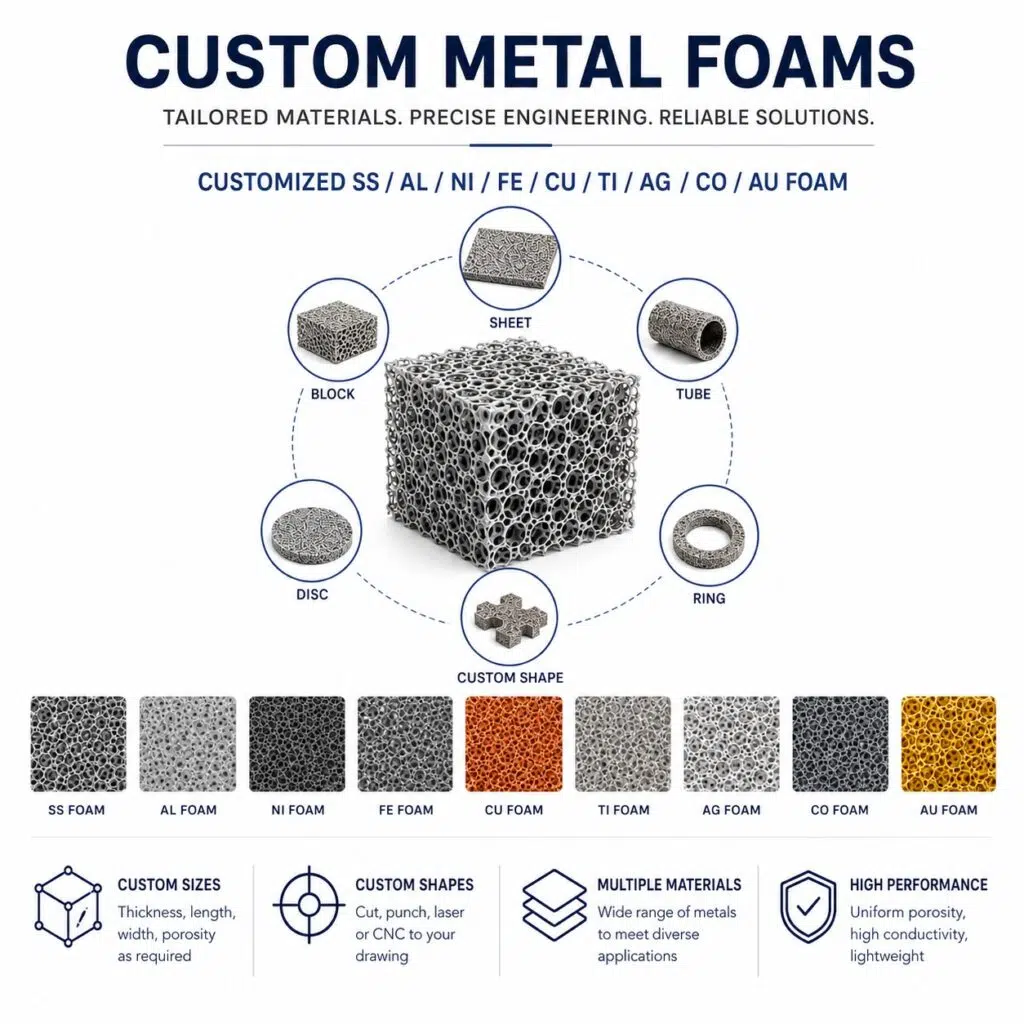
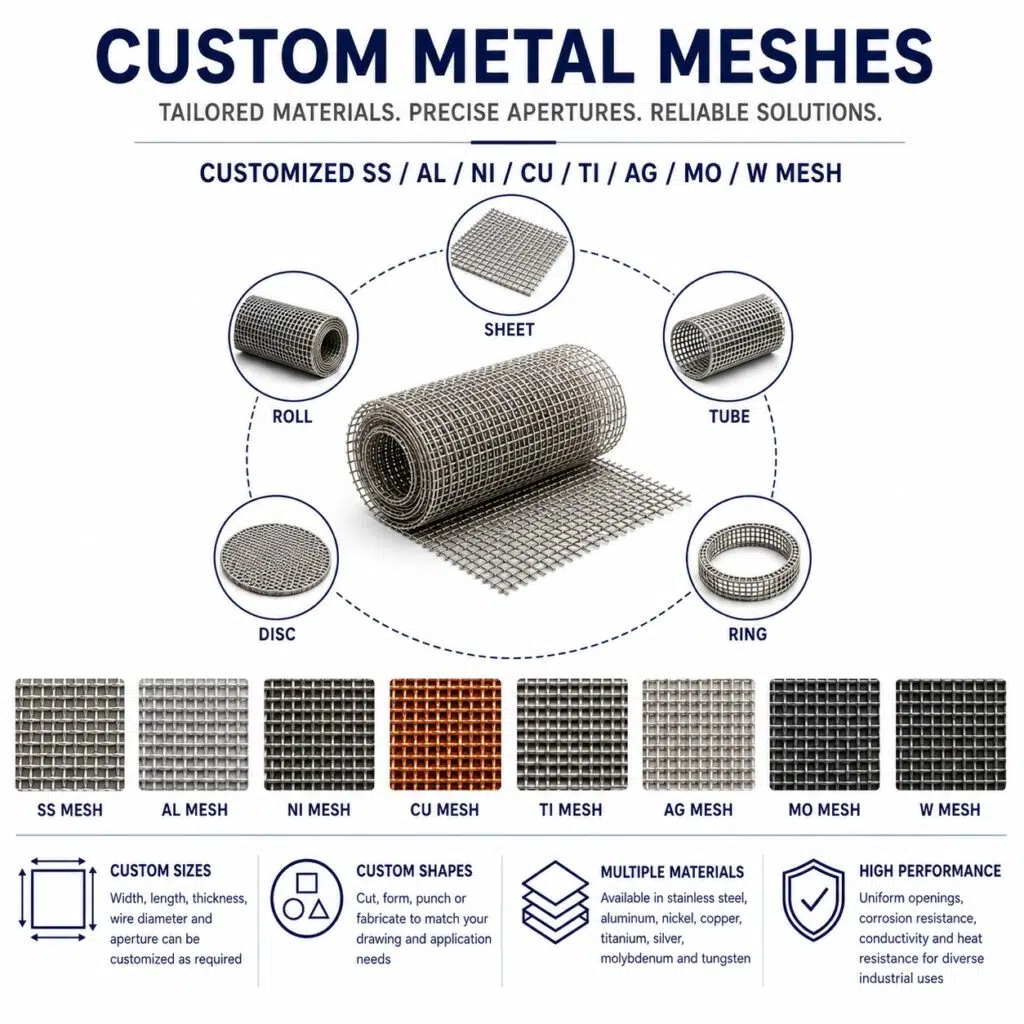
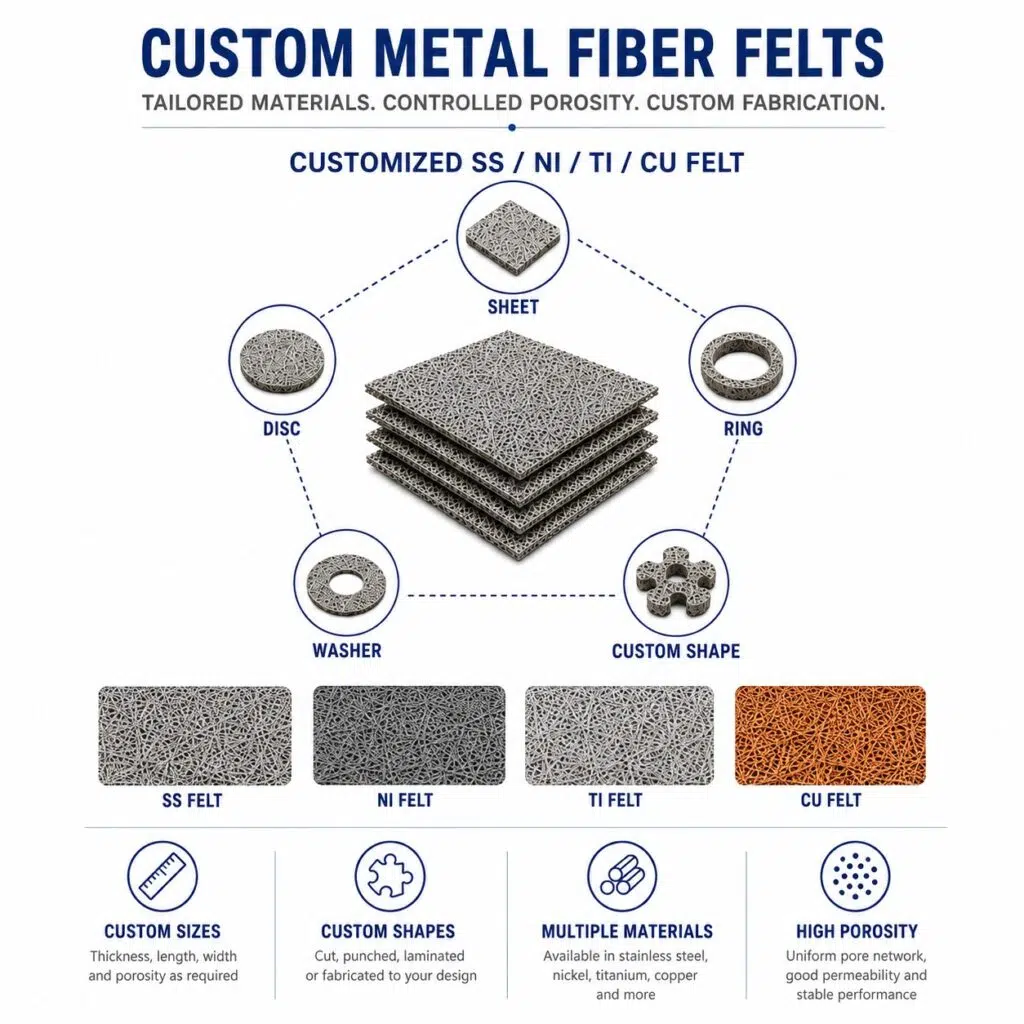
To customize various metal electrodes, please click the picture below for details:
 |
 |
 |
 |
 |
 |
 |
 |