







Custom Platinum Mesh Electrodes
Introdução
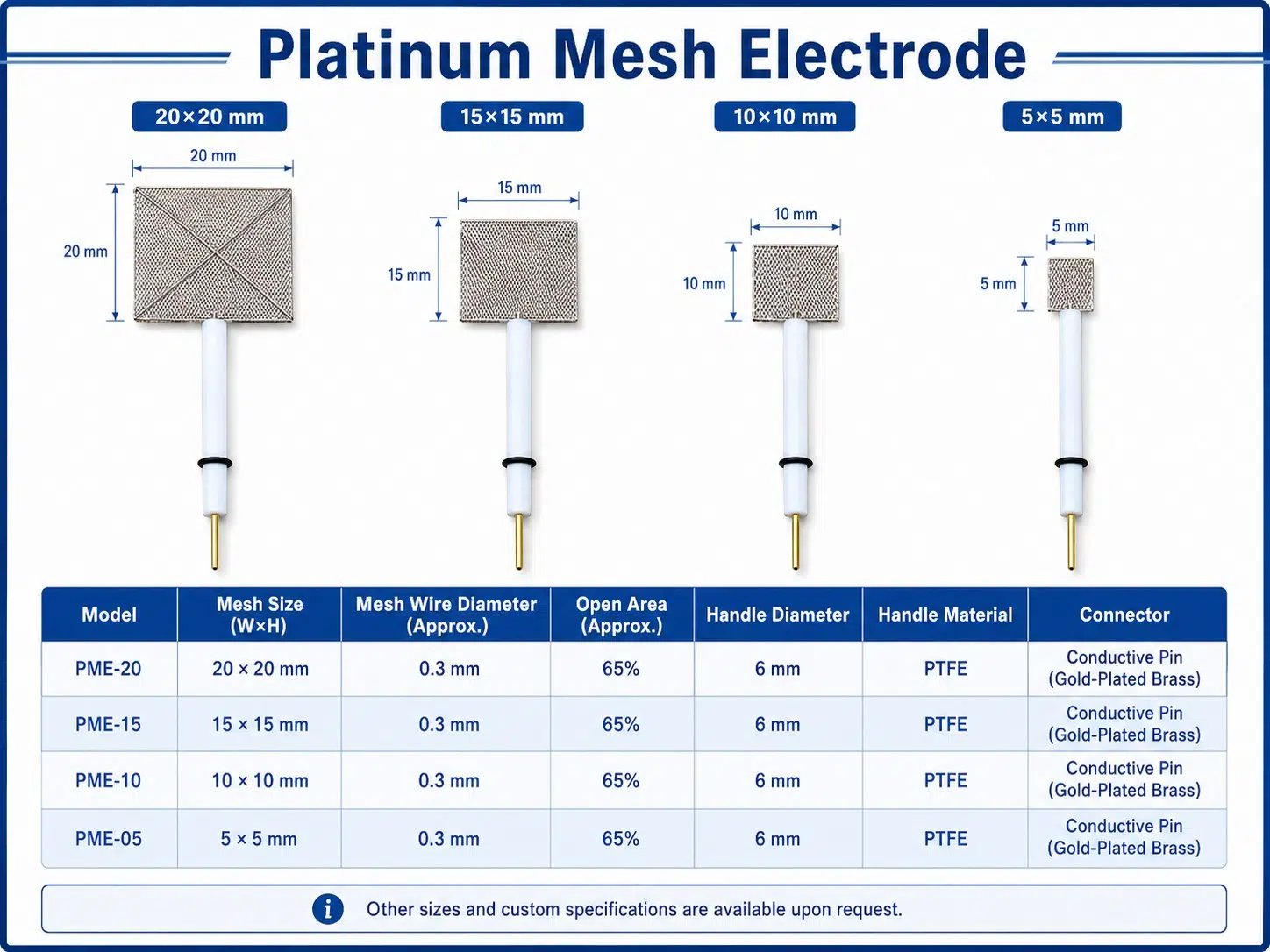
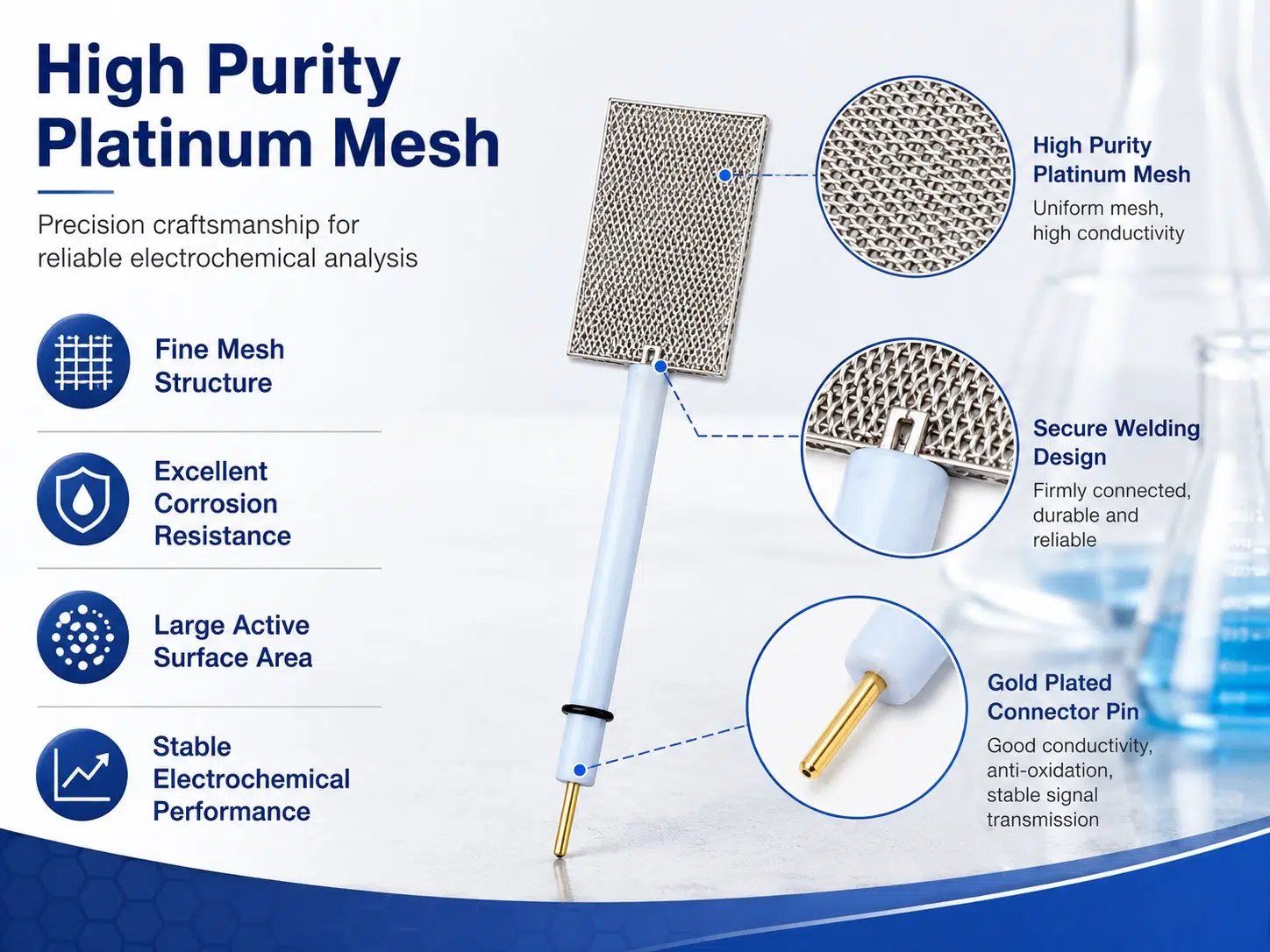
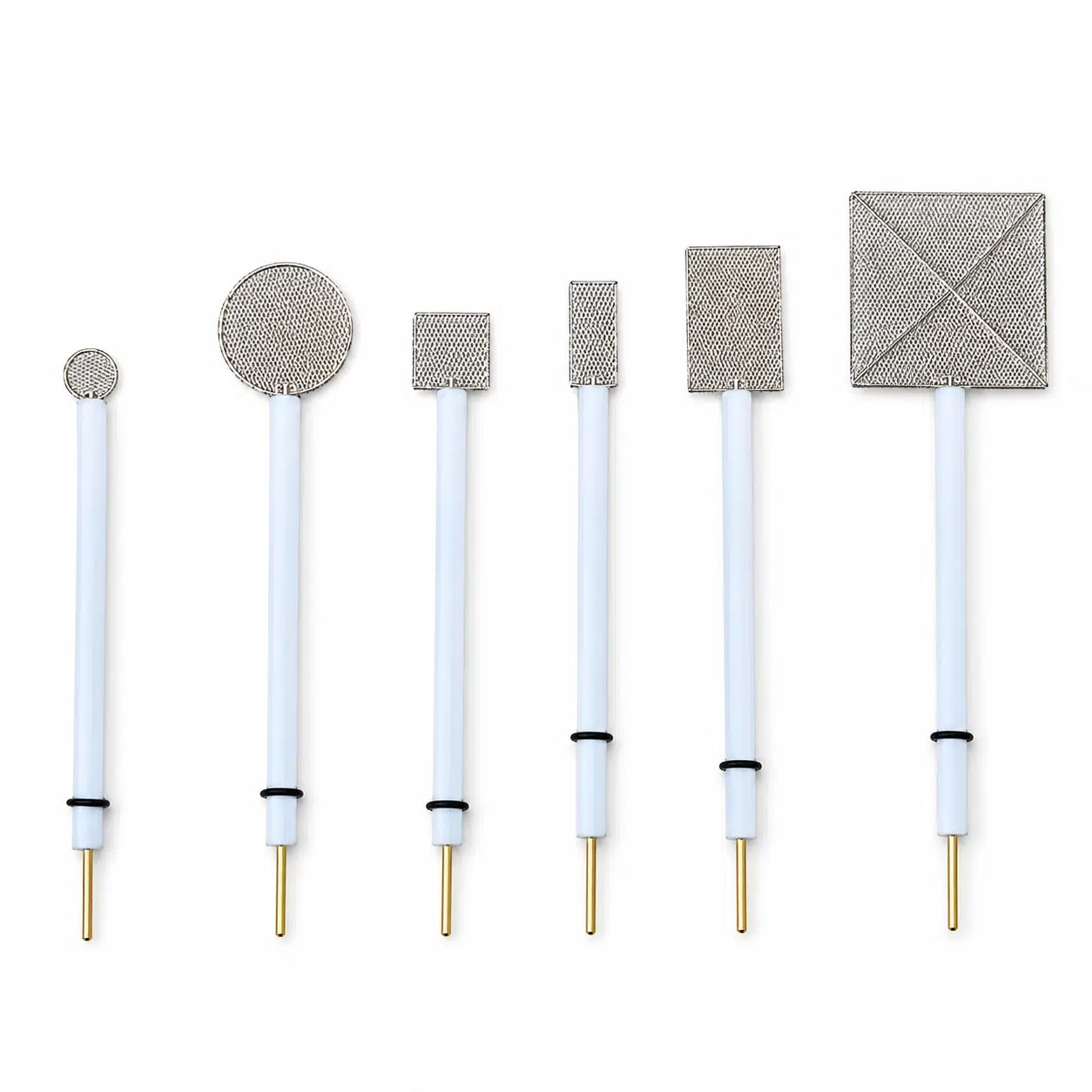
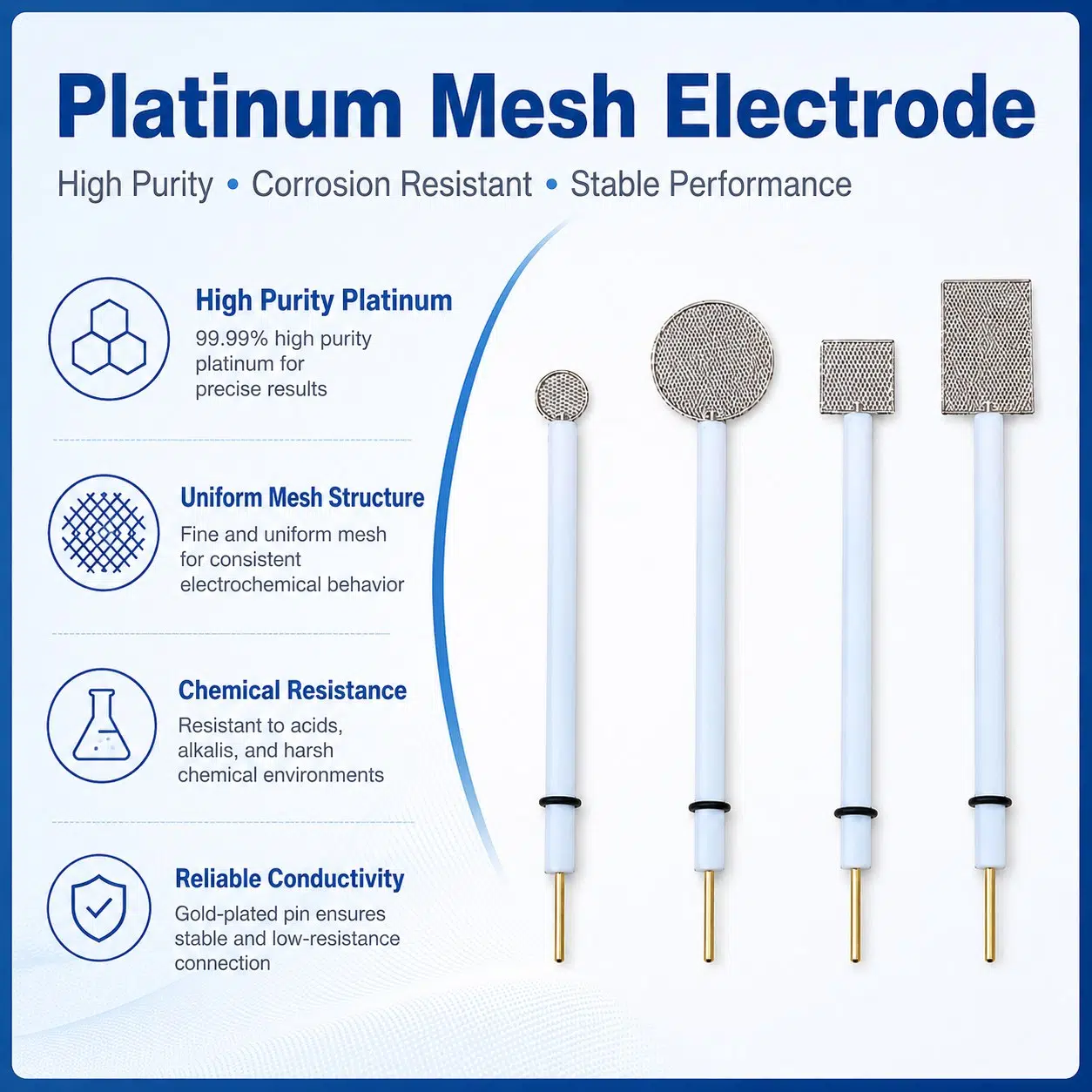
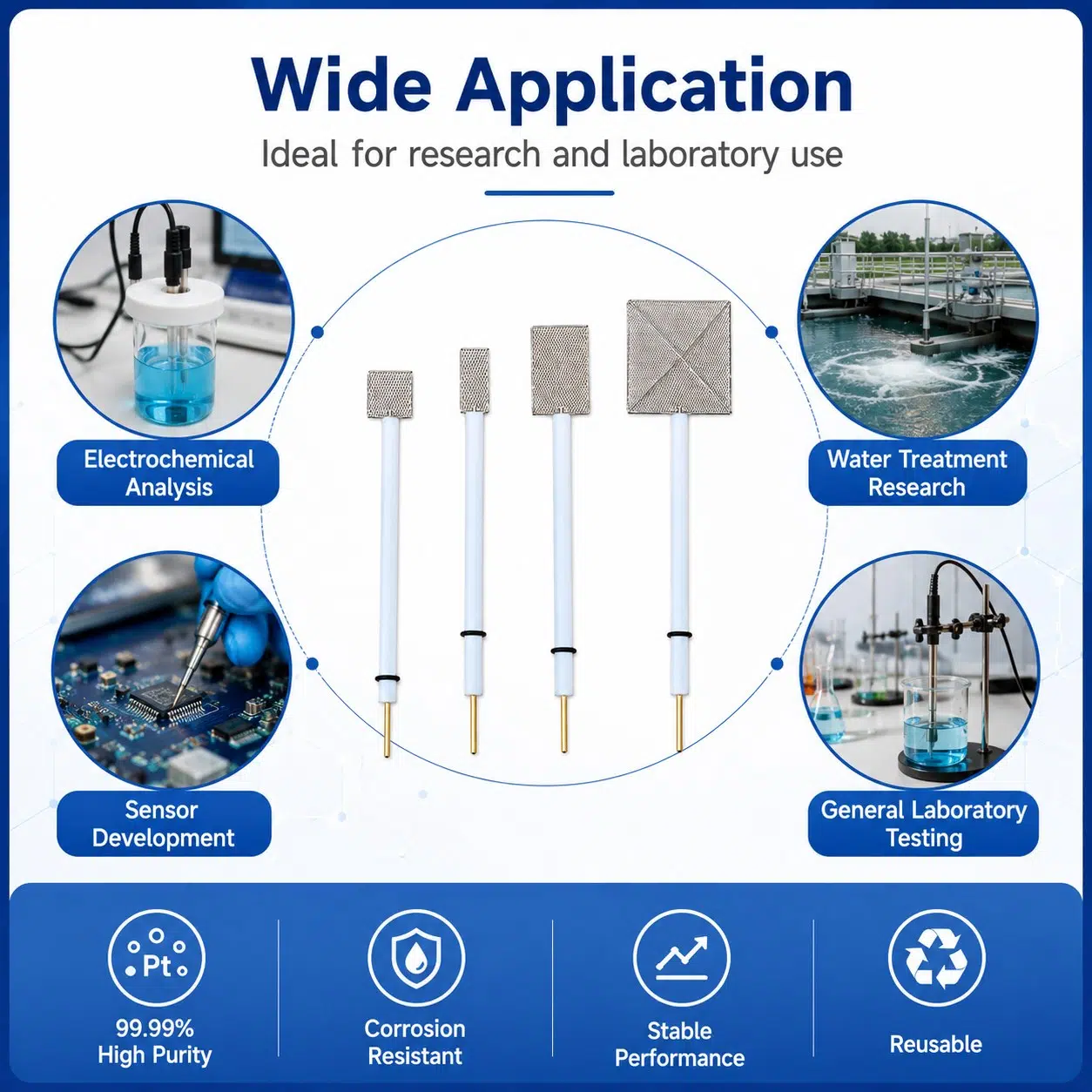
- Our laboratory high-purity platinum mesh electrode is engineered to maximize electrochemical active surface area and electrolyte penetration, making it the preferred choice for applications demanding superior mass transfer and rapid kinetics. Woven from ≥99.95% pure platinum wire (diameters typically 0.05–0.5 mm), the open mesh structure (available in 10×10, 20×20, 40×40, 52×52, 80×80, or 100×100 wires per inch) ensures three-dimensional electrode performance, dramatically improving current distribution, gas bubble release, and reaction efficiency compared to flat plate electrodes. This mesh configuration is ideal for bulk electrolysis, electrocatalytic screening, counter electrodes in three-electrode cells, hydrogen evolution/oxygen reduction studies, electroorganic synthesis, water electrolysis, fuel cell research, and large-scale electrochemical reactors. Its robust mechanical integrity and exceptional corrosion resistance in acidic, alkaline, and organic electrolytes guarantee long service life and highly reproducible results across hundreds of experimental cycles.
-
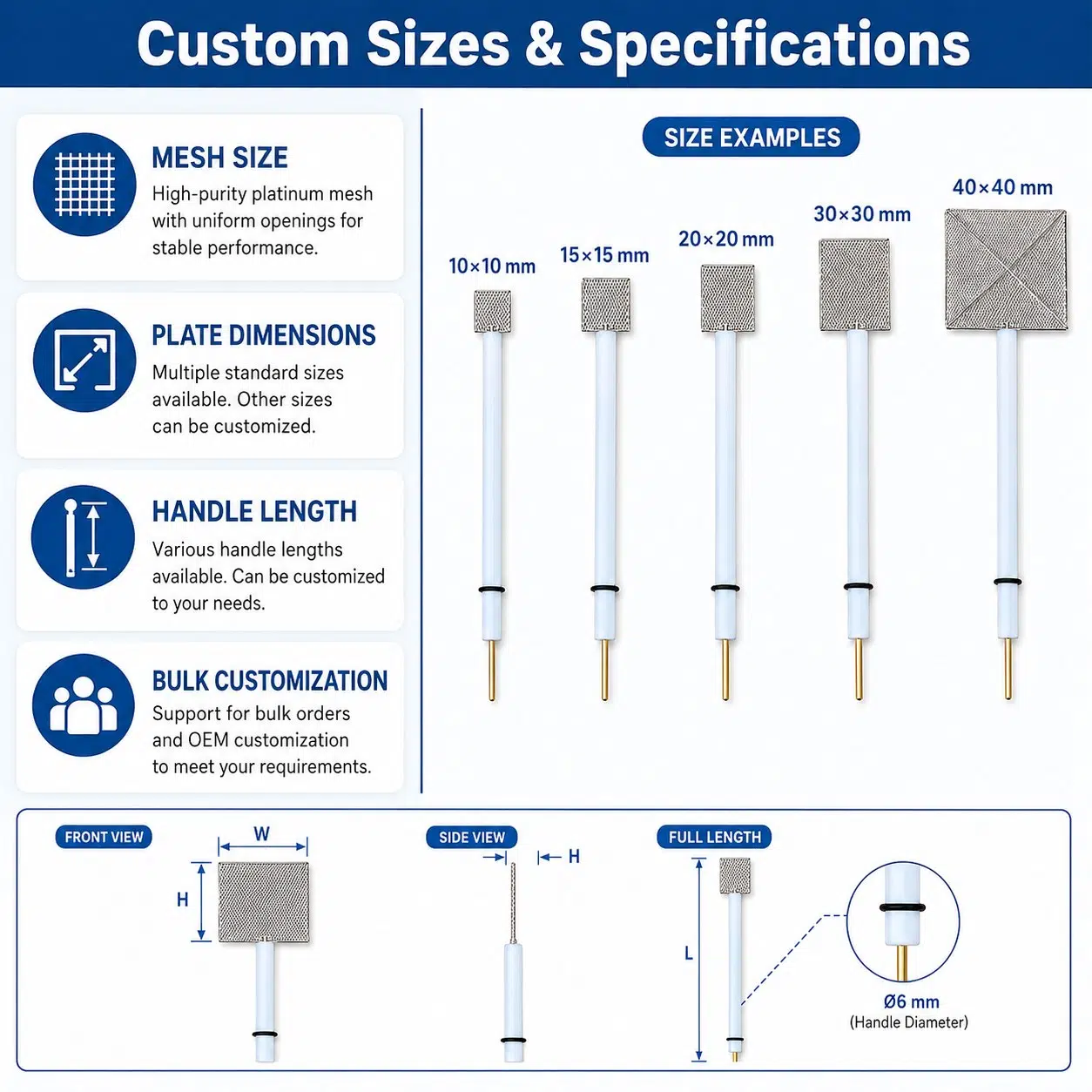
We offer comprehensive customization to match your exact experimental setup and research objectives. Mesh dimensions (length, width), wire diameter, mesh count (openings per inch or per cm), edge treatment (welded frame, folded edge, or raw cut), and lead attachment (spot-welded platinum wire, rod, clamp, or custom connector) are all tailored to your specifications. Optional surface treatments include electrochemical cleaning, Pt-black deposition for ultra-high active area, or pre-activation for immediate use in sensitive experiments. Each electrode is inspected for uniformity, structural integrity, and purity, with certifications and test reports available upon request. Whether you need a single prototype for proof-of-concept studies or batch quantities for parallel testing and scale-up, our flexible MOQ, fast turnaround, and dedicated technical support ensure your electrochemical research progresses smoothly. Trust our platinum mesh electrodes to deliver superior performance, consistency, and reliability in the most demanding laboratory environments.
Especificações
| Tipo | Platinum Sheet / Plate / Disc / Strip / Pt Electrode |
| Material Grade | High‑purity Platinum (e.g., ≥Pt 99.95%, 99.99%, 99.999% electronic/analytical grade); specialized Pt alloys (e.g., Pt‑Ir, Pt‑Rh, Pt‑Au) available on request |
| Pureza | Typically ≥99.95%, ≥99.99%, or ≥99.999% Pt (ultra‑high purity for highly stable electrochemical behavior, low background current, and long‑term durability) |
| Formulário | Flat sheet, plate, circular disc, strip, ribbon, or ultra‑thin foil; supplied as single pieces, matched sets, or bulk lots for laboratory and pilot‑scale use |
| Espessura | Customizable (typically 0.01 mm – 5 mm; ultra‑thin foils available for micro‑electrode, MEMS, and microfluidic sensor applications) |
| Tamanho e forma | Fully customizable dimensions; precision‑cut rectangles, squares, round discs, rings, grids, and complex CNC‑machined geometries according to drawings or CAD files |
| Surface Finish | Mill finish, bright/mirror‑polished, brushed, matte, sanded, or micro‑textured to optimize electrochemical active area, wetting properties, and coating adhesion |
| Surface Treatment / Coating | Bare platinum (standard), chemically cleaned/degreased, electrochemically polished, activated surfaces, or functionalized (e.g., catalyst layers, Pt black) for fuel cells, sensors, and advanced electrochemistry |
| Hole / Slot / Mesh Design | Precision drilled or laser‑cut holes, mounting slots, perforated patterns, or platinum mesh/expanded structures to enhance electrolyte access, gas diffusion, and mass transfer |
| Corrosion Performance | Exceptional chemical inertness and corrosion resistance in most acidic, neutral, and alkaline electrolytes; ideal as a stable working, counter, or inert electrode in harsh electrochemical environments |
| Mechanical Strength | High‑temperature stability and good mechanical strength; suitable for cutting, bending, spot‑welding, and fine machining; easy to join with wires, tabs, and conductive leads |
| Operating Temperature | Suitable from low temperatures up to very high‑temperature electrochemical and catalytic applications; melting point approx. 1768 °C (recommended operation well below melting point) |
| Surface Flatness | Tight control of thickness tolerance, roughness, and flatness to ensure uniform contact resistance, highly even current distribution, and reproducible electrochemical response |
| Application Range | Electrochemical research (CV, LSV, EIS), fuel cell and electrolyzer electrodes, electrocatalysis and hydrogen evolution/oxygen reduction studies, corrosion and passivation tests, reference and counter electrodes, biosensors, medical and neural interfaces, high‑temperature catalysis, and advanced materials research |
| Customization | Full support for laser/water‑jet cutting, precision stamping, CNC machining, micro‑patterning, tab/lead welding, surface activation/functionalization, assembly into electrode holders, and clean‑room packaging for high‑purity Pt electrodes suitable for demanding R&D and industrial applications |
Dimensões de referência
| 0.1mm*5mm*10mm | 0.2mm*5mm*10mm | 0.1mm*10mm*20mm |
| 0.2mm*20mm*20mm | 0.3mm*20mm*30mm | 0.1mm*20mm*50mm |
| 0.2mm*30mm*100mm | 0.1to 0.5mm*50mm*50mm | O tamanho pode ser personalizado |
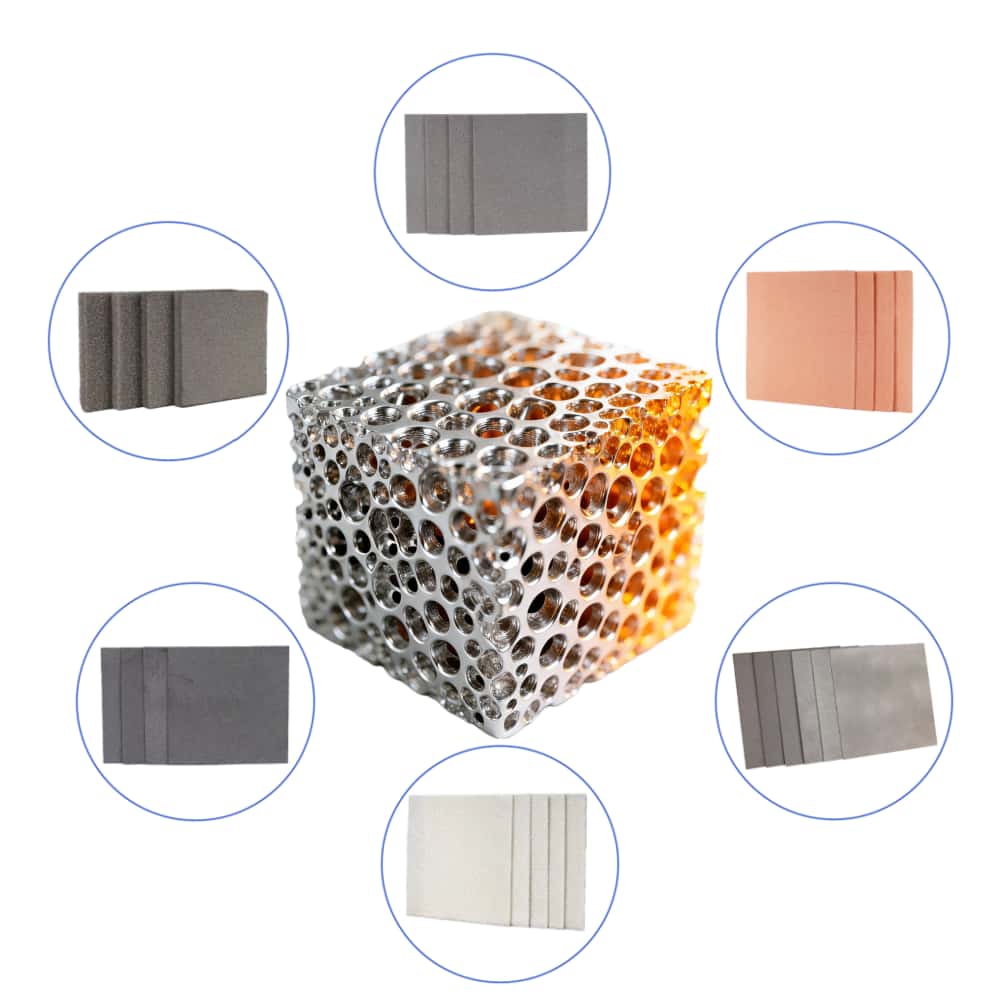
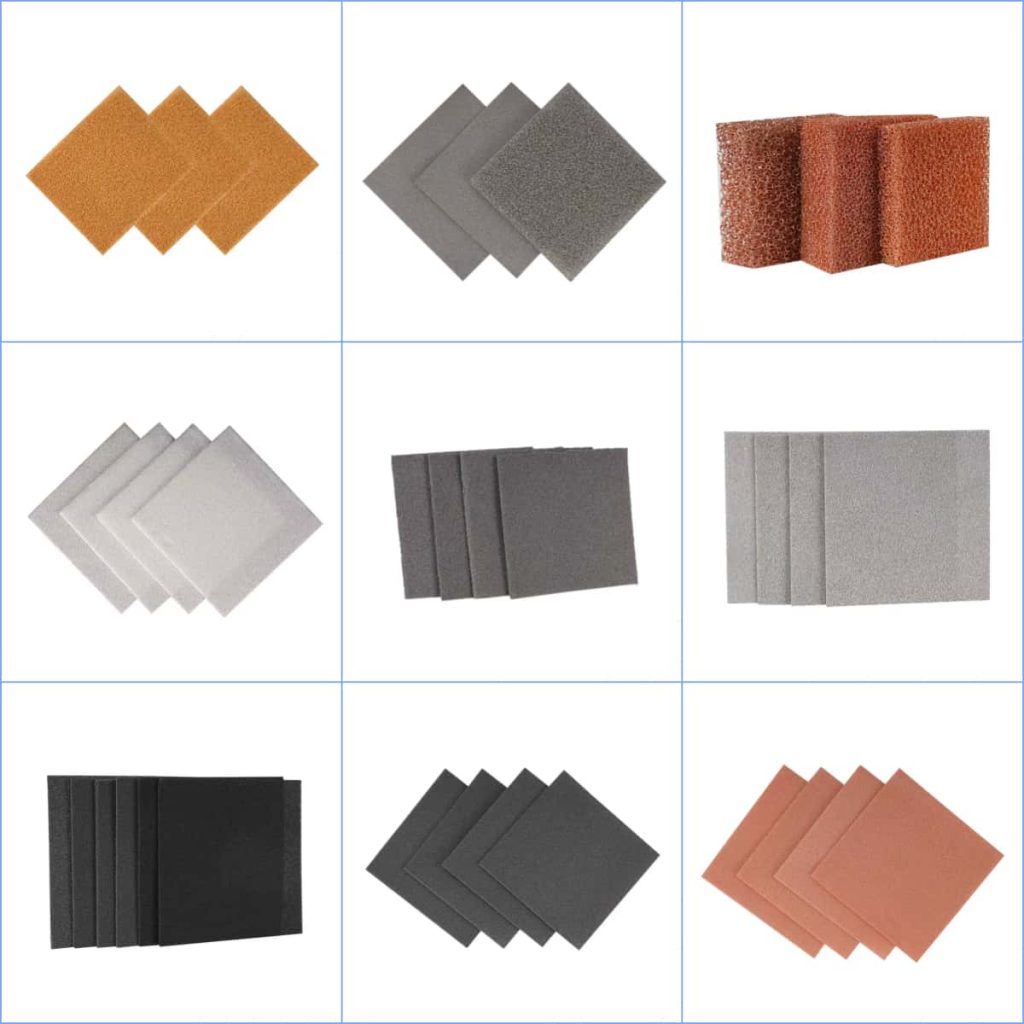
To customize various metal electrodes, please click the picture below for details:
 |
 |
 |
 |
 |
 |
 |
 |