






roduct Description
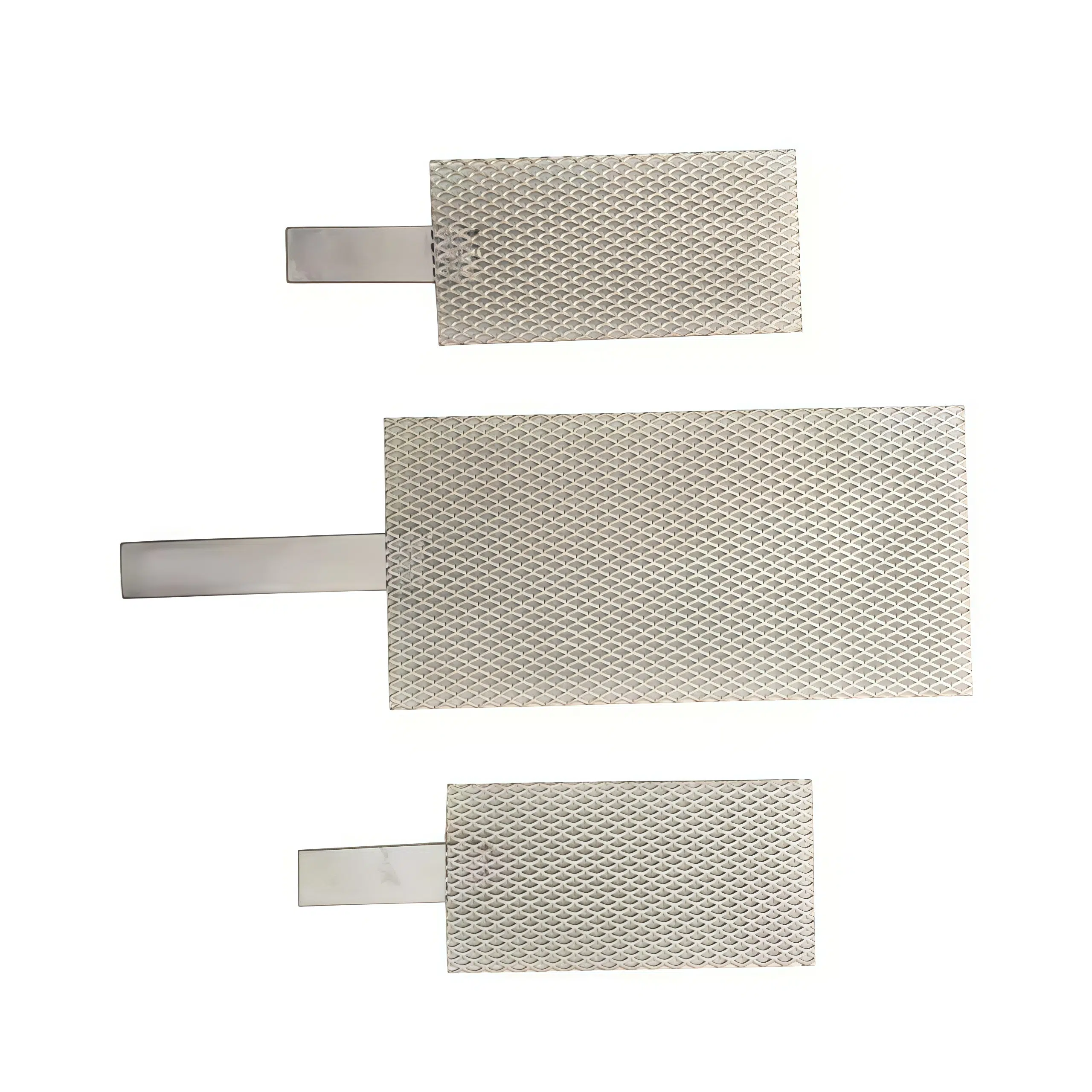
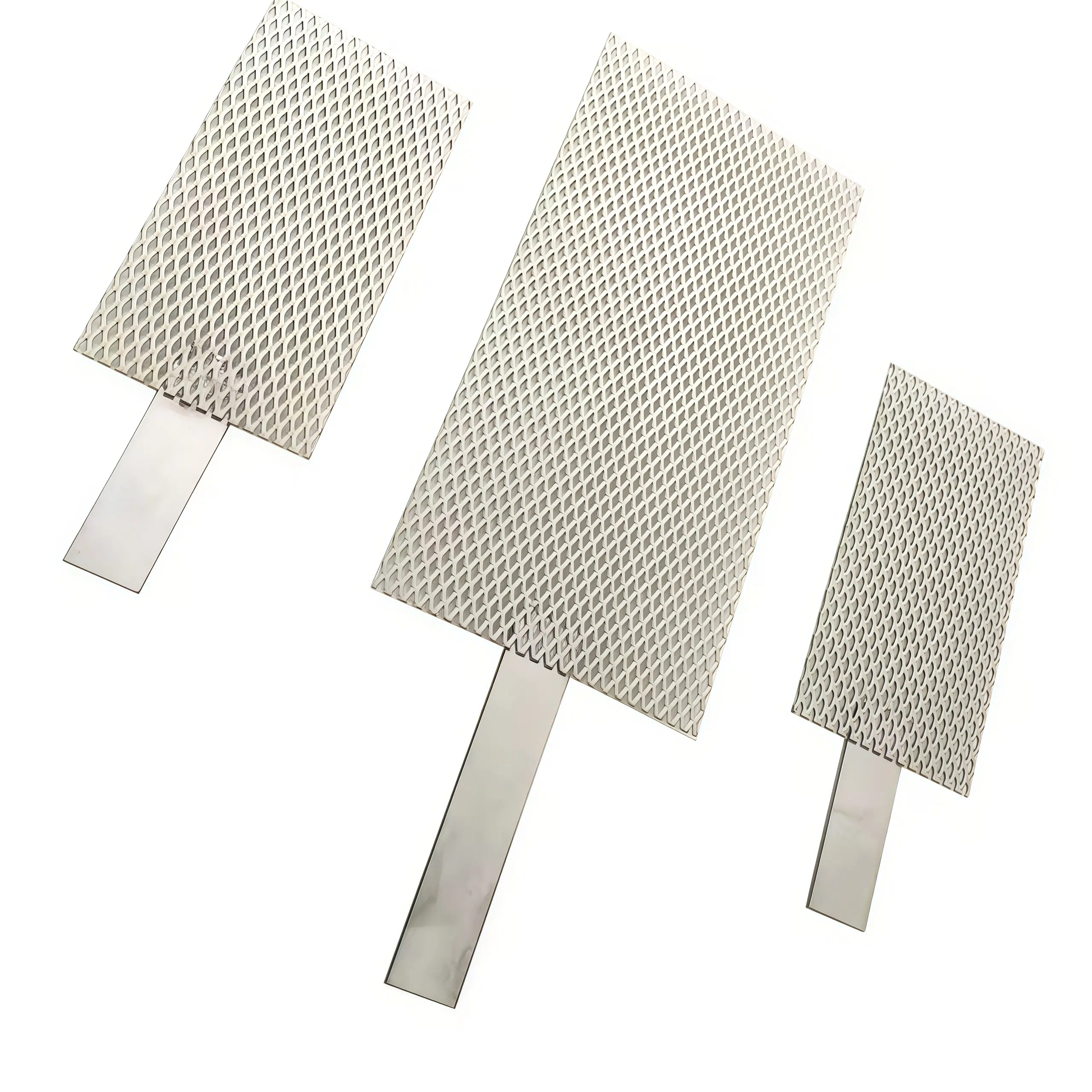
Platinum Coated Titanium Anode for Silver Plating is a high-performance insoluble anode designed for silver electroplating, precious metal plating, electrolysis, and electrochemical surface treatment. The electrode uses titanium as the base material and is coated with a dense platinum layer, combining the lightweight corrosion resistance of titanium with the excellent conductivity and electrochemical stability of platinum.
This platinized titanium anode provides stable current distribution, low contamination risk, and long service life in suitable plating baths. Compared with consumable silver anodes, platinum coated titanium anodes are non-consumable and are mainly used to provide current in the electroplating process while maintaining good bath stability.
Platinized titanium anodes are widely used as inert and non-consumable electrodes in electrolysis and electroplating applications; the titanium substrate provides structural strength, while the platinum coating improves conductivity and corrosion resistance.
Key Features
| Artikel | Description |
|---|---|
| Produktname | Platinum Coated Titanium Anode for Silver Plating |
| Base Material | Titanium / Ti |
| Coating Material | Platinum / Pt |
| Electrode Type | Insoluble anode / inert anode |
| Anwendung | Silver plating, precious metal plating, electrolysis |
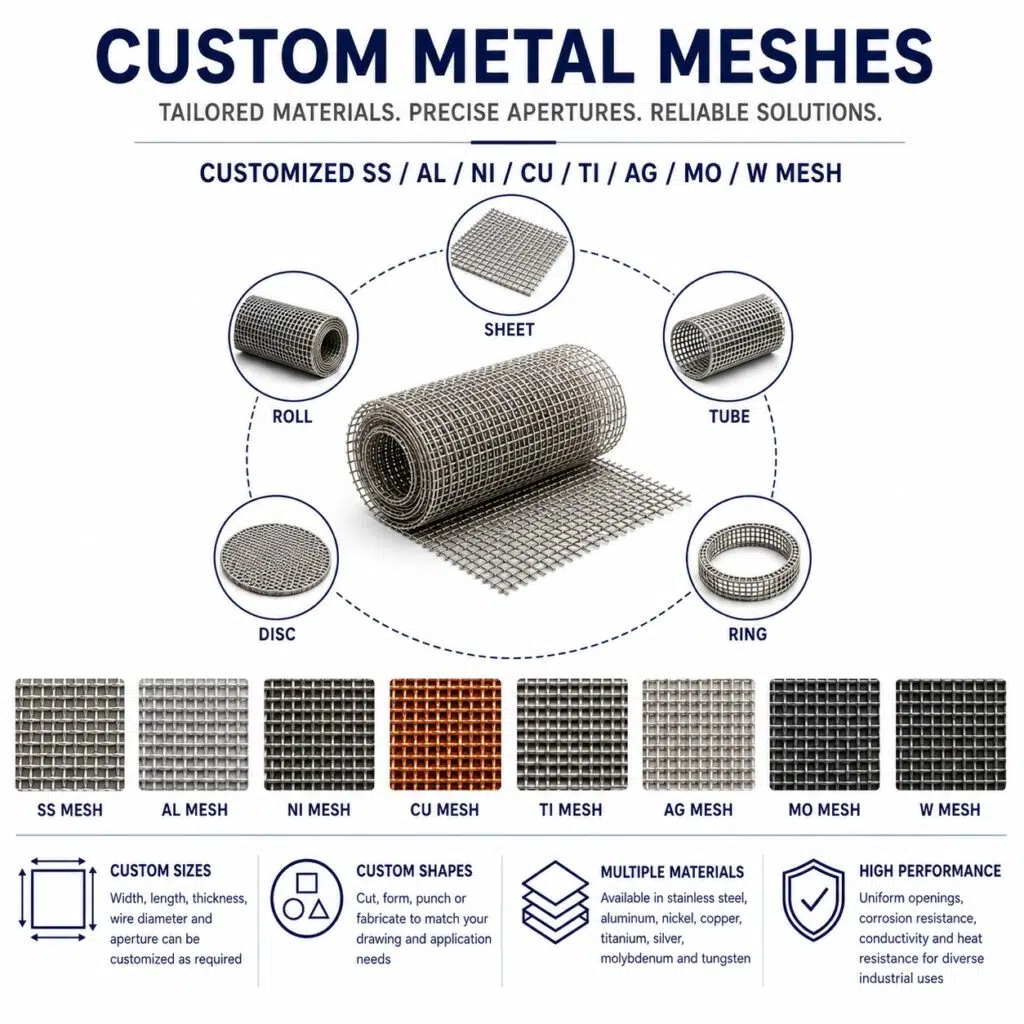
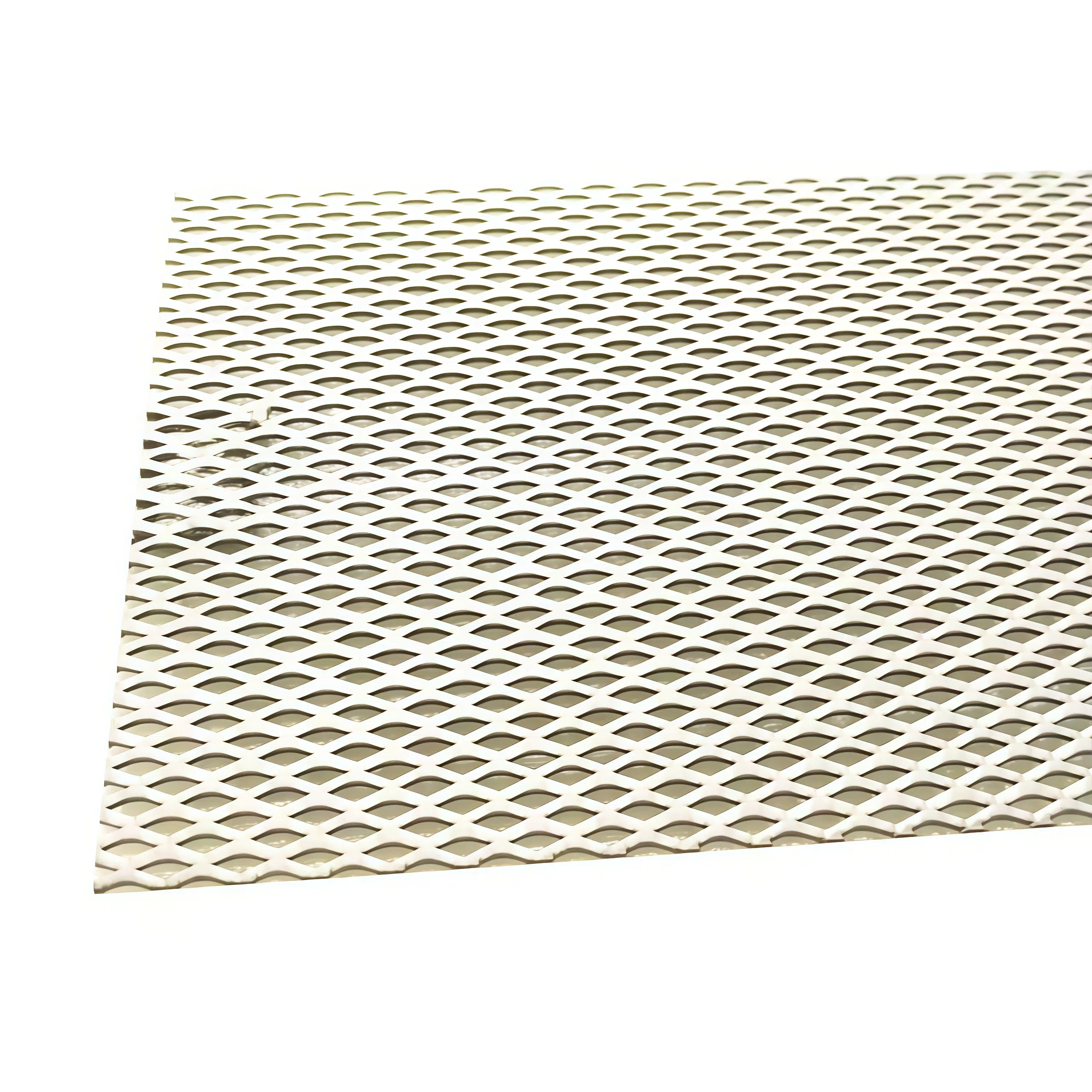
| Form | Mesh, plate, rod, tube, custom shape |
| Oberfläche | Platinum coated surface |
| Vorteil | Stable current output, corrosion resistance, low contamination |
| Customization | Size, shape, coating thickness, connector, handle available |
Main Advantages
- Titanium substrate with platinum coating
- Suitable for silver electroplating applications
- Inert and non-consumable anode design
- Excellent electrical conductivity
- Good corrosion resistance in suitable plating baths
- Stable current distribution
- Helps reduce contamination from anode dissolution
- Lightweight compared with solid platinum anodes
- Lower cost than pure platinum electrode
- Mesh, plate, rod, tube, and custom designs available
Applications
| Anwendung | Description |
|---|---|
| Silver Plating | Used as an insoluble anode for silver electroplating |
| Jewelry Plating | Suitable for precious metal surface finishing |
| Electronic Components | Used for conductive silver coating processes |
| Connector Plating | Suitable for contact parts and conductive terminals |
| Precision Parts | Used for uniform plating on small metal components |
| Laboratory Electroplating | Suitable for experimental plating cells |
| Precious Metal Plating | Can be used in selected gold, rhodium, palladium, and other plating systems |
| Electrolysis | Used as a stable anode for electrochemical reactions |
| Surface Treatment | Used for metal finishing and coating processes |
Some commercial plating solutions specify use with a platinized titanium anode, including silver-plating solution kits and precious-metal plating applications.
Common Specifications
| Parameter | Options |
|---|---|
| Base Material | Titanium Grade 1 / Grade 2 |
| Coating | Platinum coating |
| Pt Coating Thickness | 0.5 μm, 1 μm, 2 μm, 3 μm, 5 μm, custom |
| Form | Titanium mesh, titanium plate, titanium rod, titanium tube |
| Size | Customizable |
| Mesh Size | Customizable |
| Working Area | Customizable |
| Connector | Titanium handle, screw hole, welded tab, wire connection |
| Operating Bath | Silver plating bath / precious metal plating bath |
| Packaging | Protective packaging |
Important Notes
- For silver plating, the anode selection should match the plating solution. Some silver plating systems require soluble silver anodes, while others can use inert platinized titanium anodes. Always confirm with the bath formula or plating solution supplier.
- Platinum coating thickness affects service life. Higher coating thickness usually provides better durability, especially under higher current density or longer operating time.
- Avoid scratching the platinum surface. Mechanical damage may expose the titanium substrate and reduce anode performance.
- Do not use bare titanium as the working anode in unsuitable systems. Bare titanium can passivate by forming a non-conductive oxide layer under anodic conditions; the platinum coating helps maintain conductivity and stability.
Website Short Description
Platinum Coated Titanium Anode for Silver Plating is an insoluble anode made from a titanium substrate with a platinum coating. It provides excellent conductivity, corrosion resistance, stable current distribution, and low contamination risk for silver electroplating, precious metal plating, electrolysis, and laboratory surface treatment applications. Custom sizes, shapes, and coating thicknesses are available.