






Highly Porous Open Cell Nickel Titanium Foam
Einführung
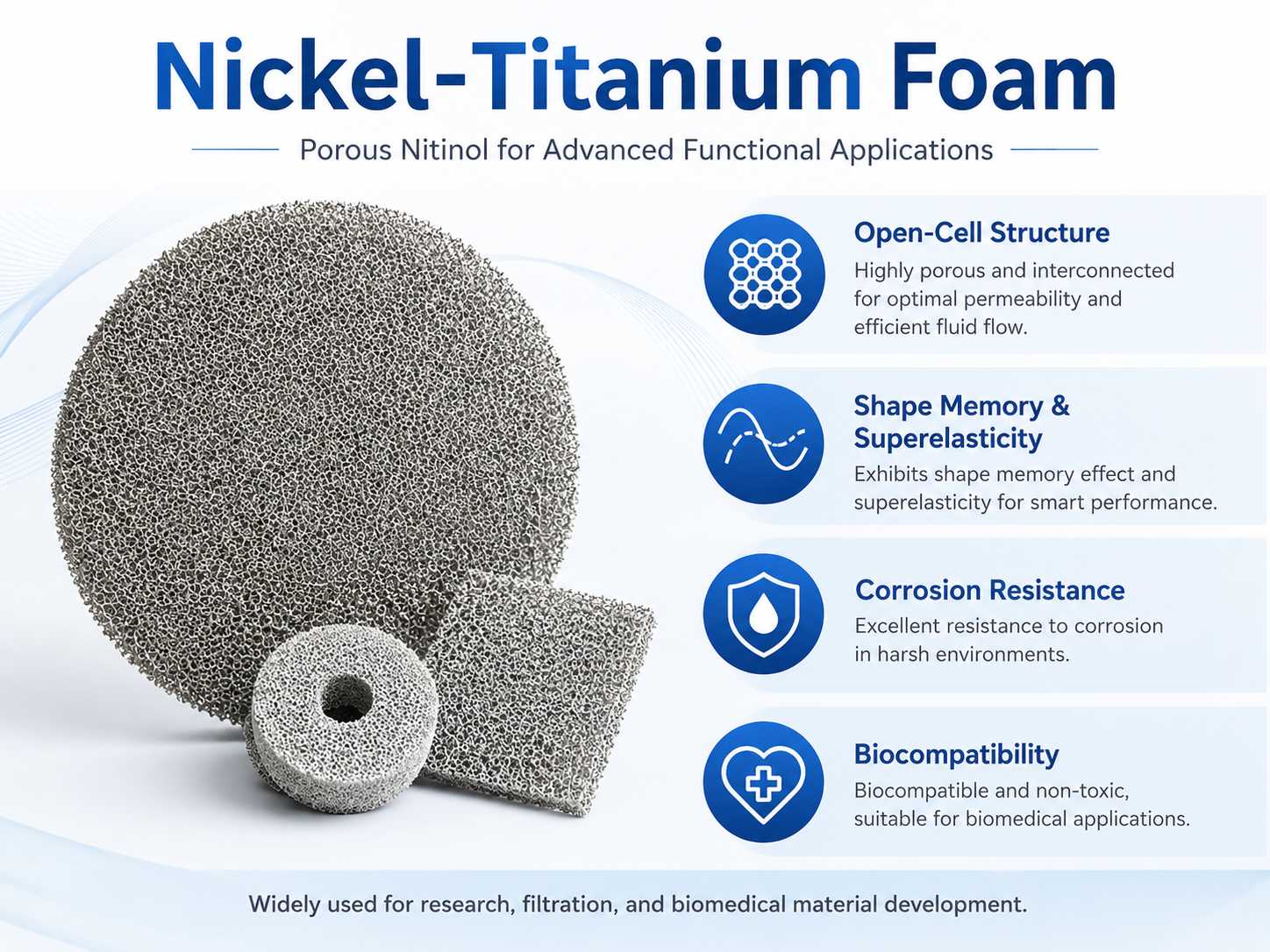
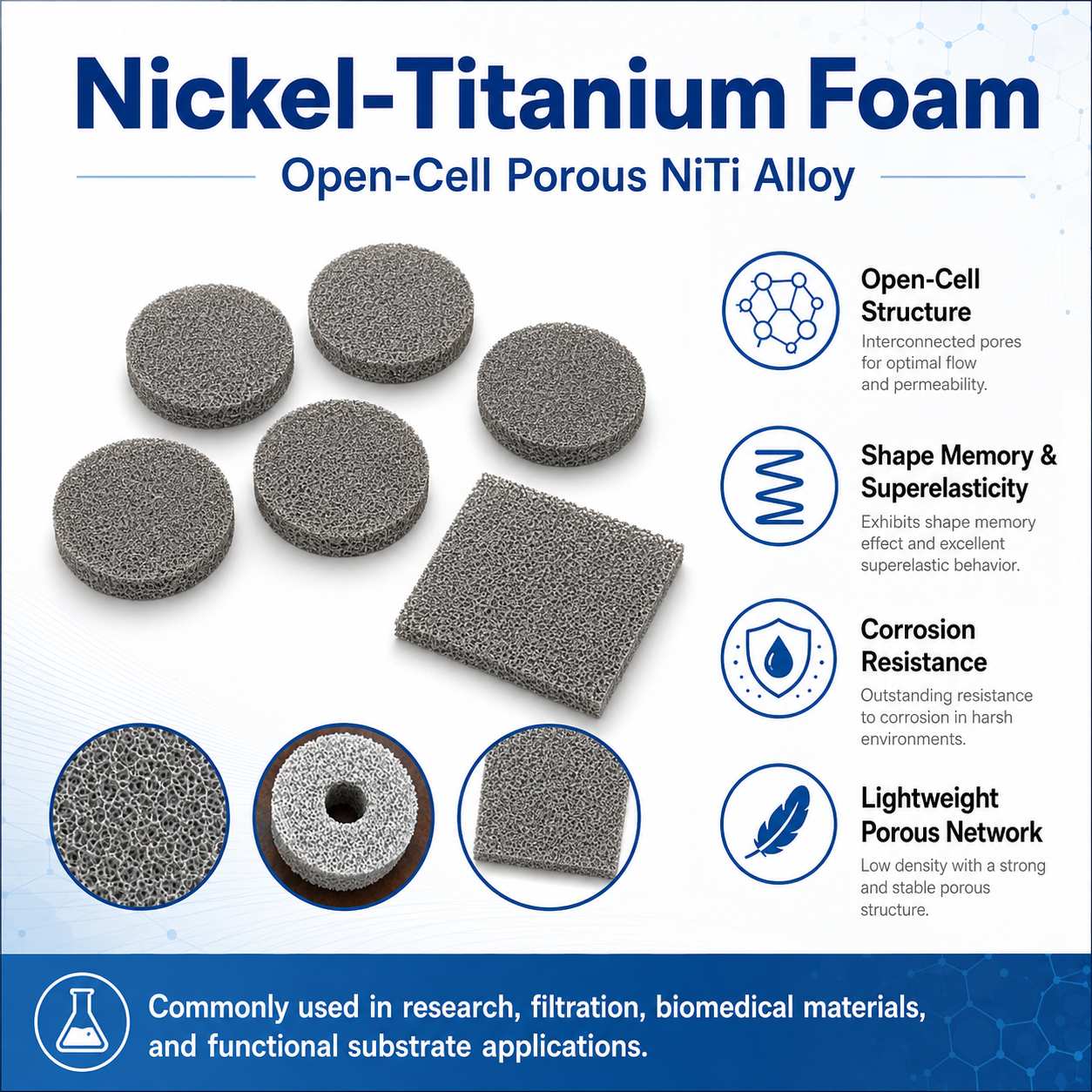
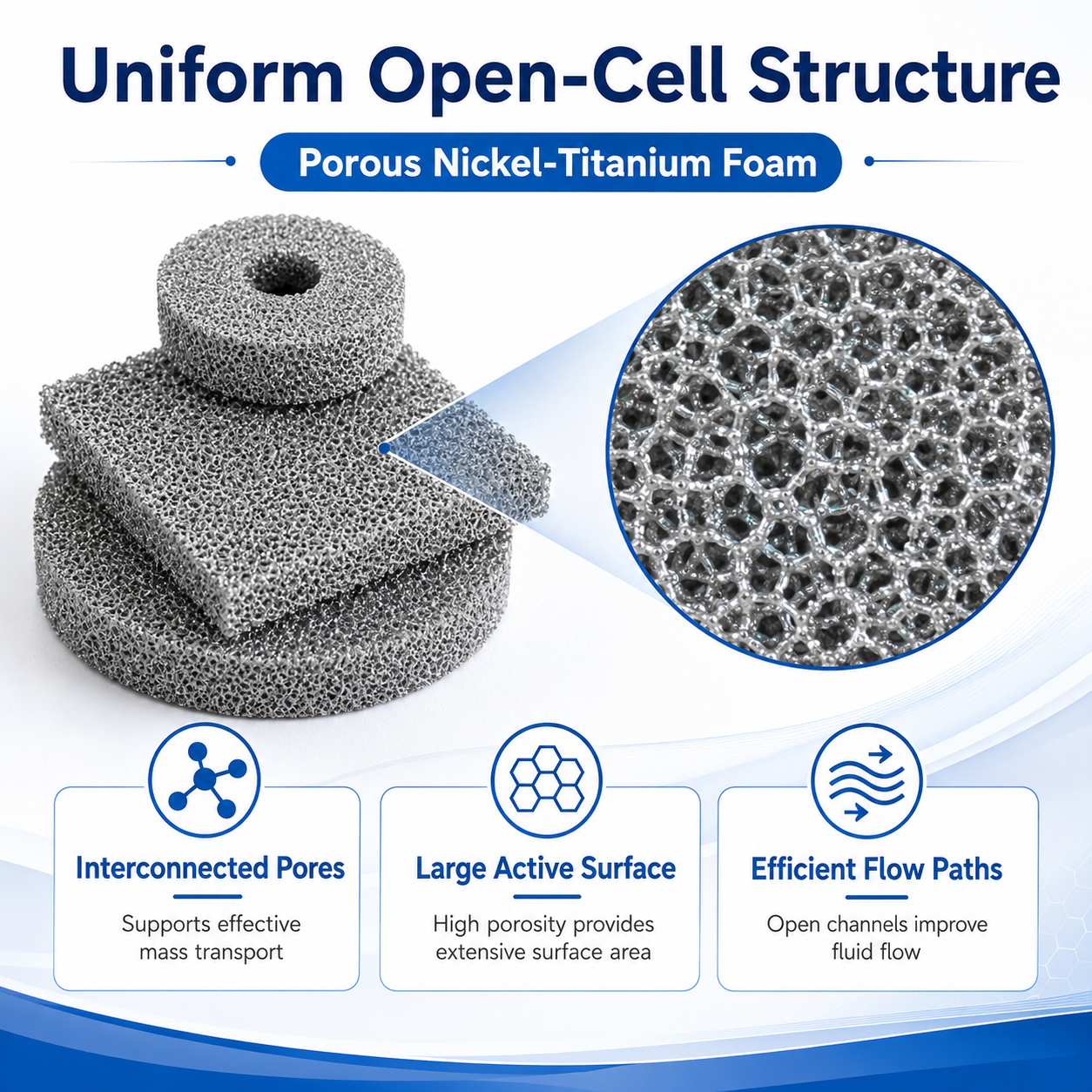
- Nickel titanium foam (NiTi foam) is a 3D open‑cell shape‑memory alloy with high porosity, low density and excellent superelastic behavior. Its interconnected sponge‑like structure provides large surface area, high energy absorption and adjustable stiffness, making it ideal for biomedical implants, bone scaffolds, lightweight structural parts, vibration‑damping and impact‑protection components. The material can be supplied in custom sizes and porosities to match specific mechanical and design requirements.
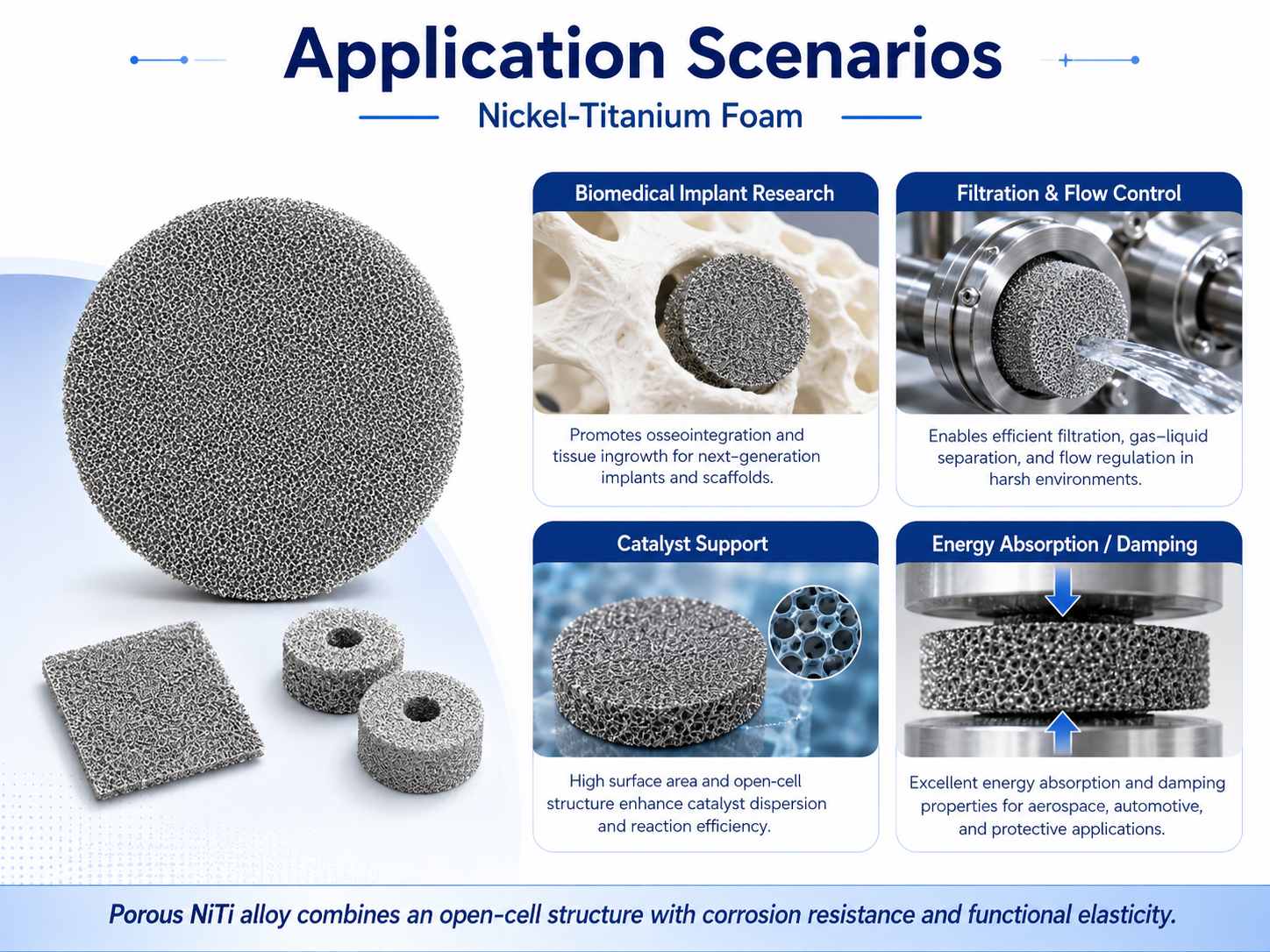
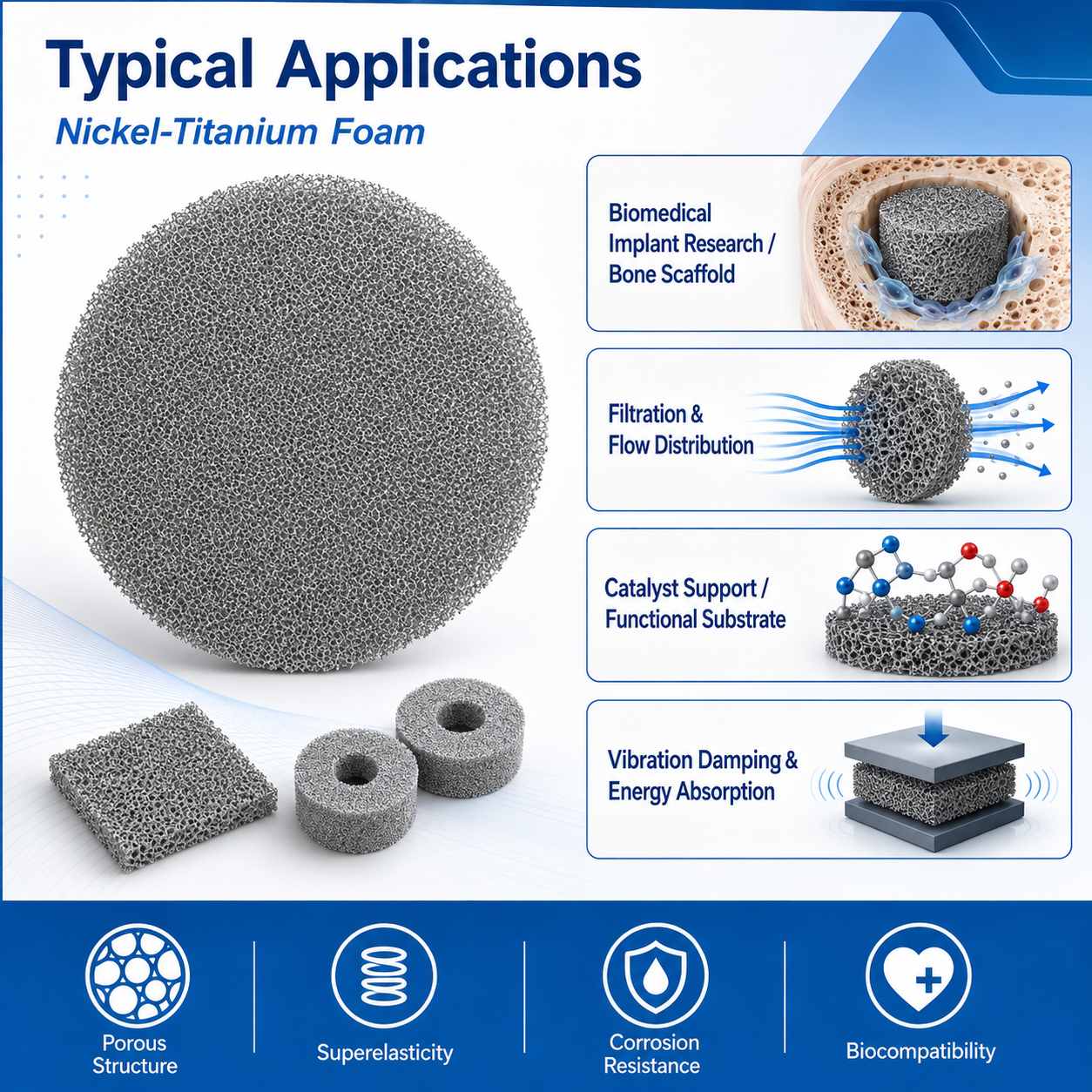
- Ni-Ti foam combines the unique shape‑memory effect and superelasticity of dense NiTi with the permeability and compliance of a porous structure. The Ti‑rich surface offers good corrosion resistance and favorable biocompatibility, supporting use in orthopedic implants, spinal fusion cages, dental applications and tissue engineering scaffolds. In industrial fields, nickel titanium foam is used for actuators, filters, damping elements and smart structures where reversible deformation, energy absorption and long‑term stability are required.
Spezifikationen
| Typ | Open‑cell Ni‑Ti alloy foam / nickel‑titanium porous metal foam (shape‑memory and superelastic alloy) |
| Purity / Alloy Base | Ni‑Ti shape‑memory alloy system (NiTi as main phase, typically near‑equiatomic composition; optional minor alloying elements such as Nb, Cu, Hf to adjust transformation temperature, mechanical properties and fatigue behavior, depending on specific grade) |
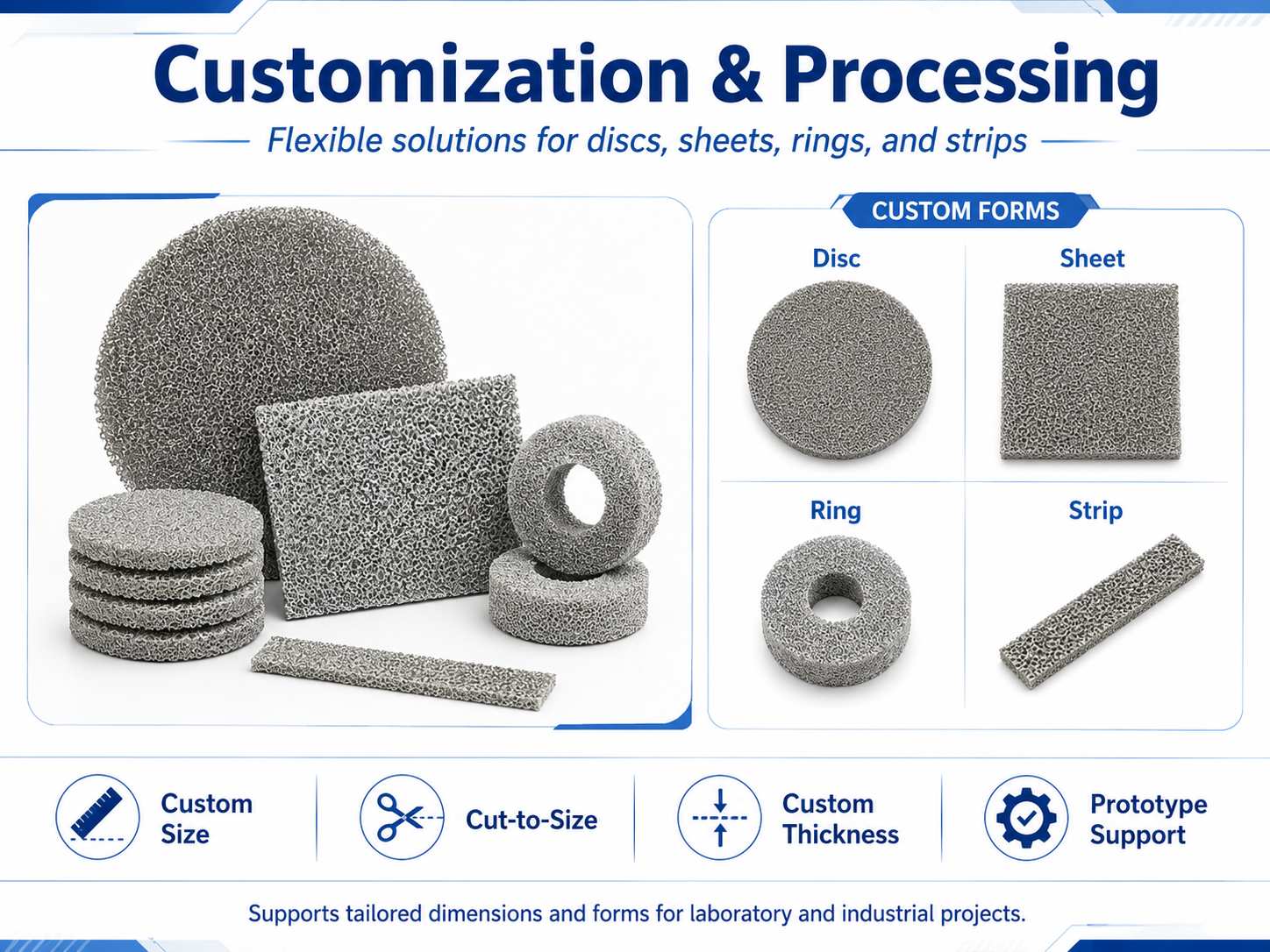
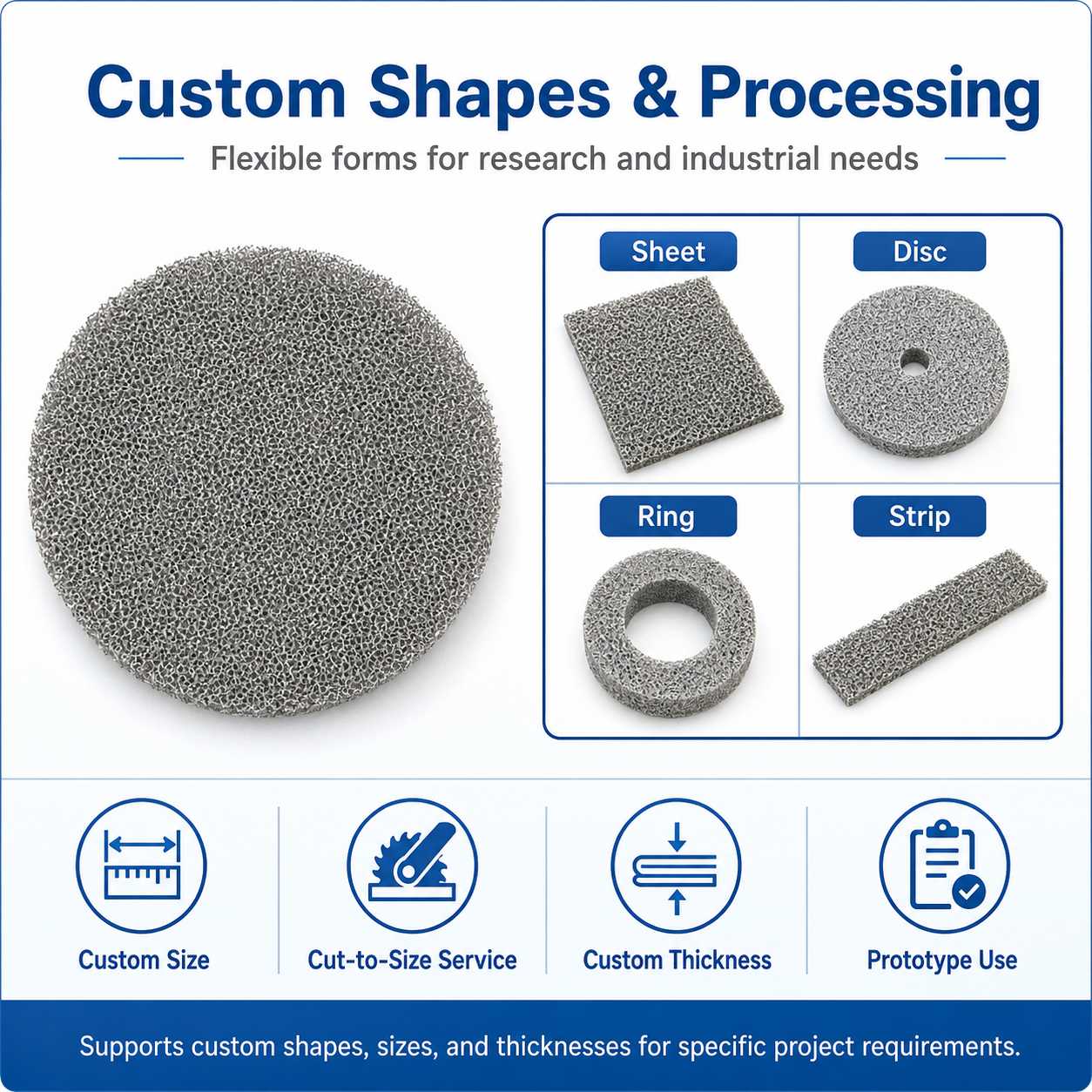
| Formular | Sheet, plate, strip, block, cylinder or custom‑cut parts; can be supplied as bare foam or with surface treatments (e.g. cleaning, passivation, bio‑coating, Ti‑oxide modification) depending on application |
| Zellengröße (PPI) | Commonly about 10–80 PPI (pores per inch) for engineering and biomedical foams; coarse (10–30 PPI), medium (30–50 PPI) and fine (50–80 PPI) structures; other pore sizes and gradients can be customized on request |
| Dicke | Typical foam sheets and blocks approx. 1–30 mm; thinner foils for filters and damping, thicker sections for implants, energy‑absorbing and structural components; customized thickness available according to design requirements |
| Größe und Form | Standard plates and blocks (e.g. 50 × 50 mm, 100 × 100 mm, 200 × 200 mm) and cylindrical samples; can be cut, machined or formed into discs, rings, cages, lattices or complex 3D geometries based on customer drawings or CAD models |
| Porosität | Typically about 50% – 90% (adjustable); lower porosity for higher strength and stiffness, higher porosity for better permeability, bone ingrowth and energy absorption; porosity and pore morphology tailored to application (e.g. orthopedic vs. industrial) |
| Offenzellrate | Usually ≥ 80% open‑cell interconnected structure, providing continuous channels for fluid flow, tissue ingrowth and heat transfer; degree of interconnectivity depends on manufacturing process and pore size |
| Volumendichte | Approx. 0.5–3.0 g/cm³ (adjustable via porosity and structure), much lower than dense NiTi (≈ 6.4 g/cm³) while retaining shape‑memory and superelastic functions |
| Oberflächendichte | Depending on thickness and porosity, typically about 500–15,000 g/m²; lighter foams for implants and damping, heavier foams for structural and energy‑absorbing applications |
| Specific Surface Area | Large effective surface area due to 3D NiTi skeleton (commonly several hundred to several thousand m²/m³, depending on pore size and porosity), beneficial for bone integration, tissue attachment, catalysis and heat/mass transfer |
| Thermal Conductivity (Effective) | Effective thermal conductivity typically lower than dense NiTi (which is on the order of ~10–20 W/m·K), because of pores; actual value depends strongly on porosity and orientation, but is suitable for thermal management, damping and multifunctional structural components |
| Electrical Conductivity | Metallic conductivity, reduced compared with dense NiTi due to porosity; sufficient for use in some sensing, actuation, heating and electrochemical environments where shape‑memory or superelasticity plus porosity are required |
| Mechanical Strength (Compressive) | Compressive strength strongly dependent on porosity and pore architecture; typical ranges from a few MPa up to several tens of MPa; lower‑porosity foams show higher strength and stiffness, while higher‑porosity foams provide better energy absorption and compliance |
| Average Tensile Strength (N/20 mm) | Porous NiTi generally shows lower tensile strength than dense NiTi; tensile behavior is anisotropic and depends on porosity and pore size. Thin strips can reach several tens of N/20 mm, but actual data must be confirmed for each product specification and direction |
| Temperature Resistance / Transformation Behavior | NiTi foam retains the shape‑memory effect and superelasticity of NiTi; martensitic/austenitic transformation temperatures (Af, Ms, etc.) can be tailored (often from sub‑zero to above body temperature) via composition and heat treatment. Service temperature range depends on grade, typically from below 0 ℃ to several hundred ℃ for engineering uses; for long‑term biomedical use, usually around body temperature |
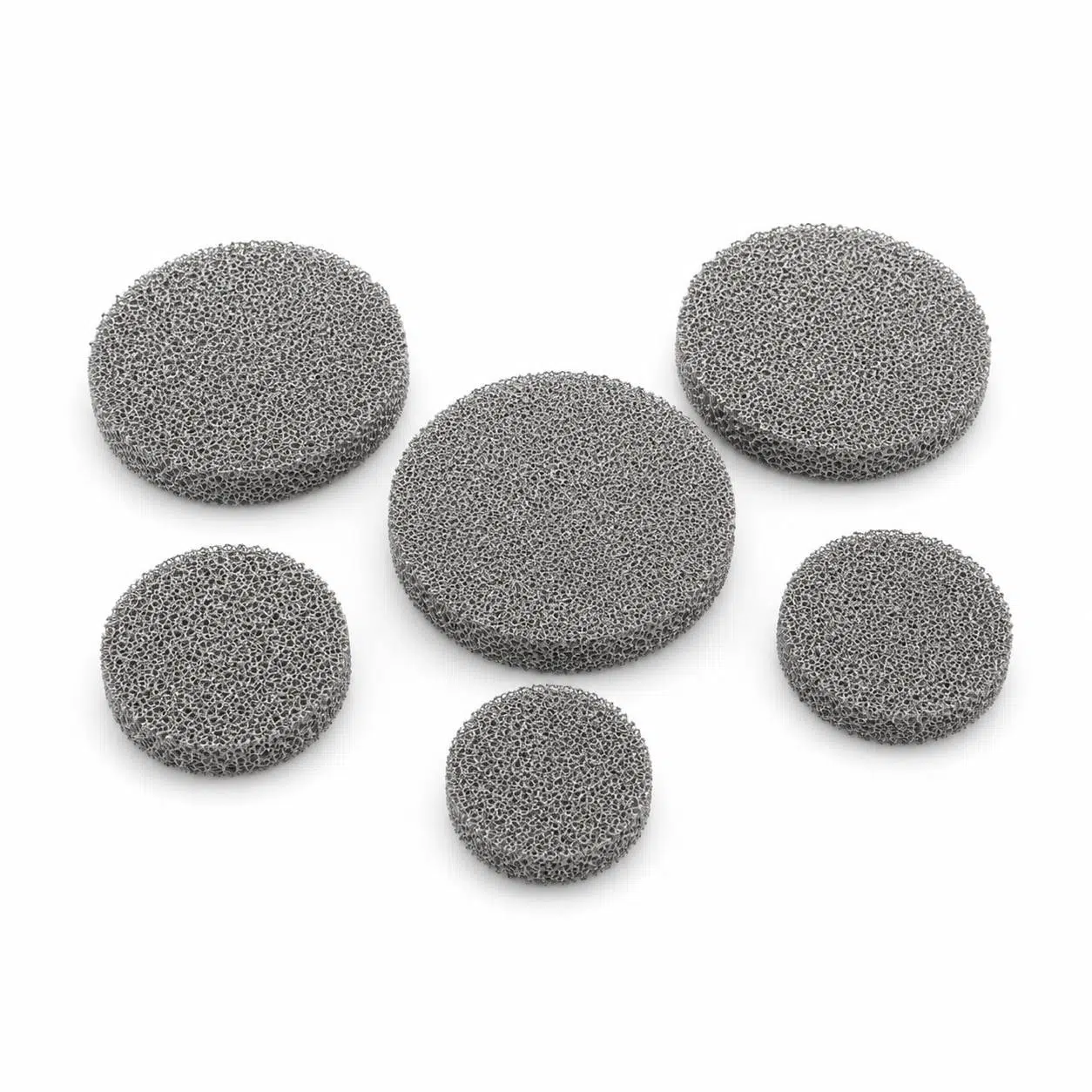
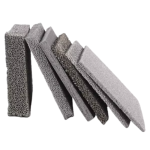
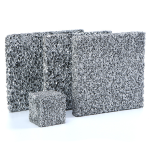
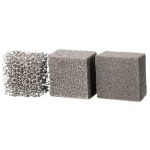
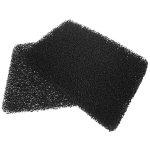
| Aussehen | Metallic gray, matte NiTi surface with 3D sponge‑like open‑cell structure; uniform pore distribution without obvious defects such as large blind holes, cracks or severe deformation. Surface can be supplied mechanically or chemically cleaned, passivated, or prepared for coating and bonding |
| Chemical Composition | Ni‑Ti alloy (near‑equiatomic NiTi) with potential minor alloying elements depending on specific grade; Ti‑rich surface oxide layer (mainly TiO₂) typically forms, improving corrosion resistance and biocompatibility; exact composition and transformation temperature range per product specification or standard |
| Corrosion & Biocompatibility | Good corrosion resistance in many physiological environments due to stable Ti‑oxide film; widely investigated and used for biomedical implants and orthopedic devices. For aggressive chemical environments or special fluids, suitability must be evaluated and additional surface treatment may be required |
| Flexibility & Superelasticity | Exhibits superelastic behavior (stress‑induced martensitic transformation) within a defined temperature range, enabling large recoverable strains. Thin and medium‑porosity foams can be elastically compressed and partially bent; energy absorption and recovery depend on porosity, heat treatment and loading conditions |
| Elongation Rate (%) | Macroscopic elongation is lower than dense NiTi due to porous structure, but local superelastic strain can be high. Typical recoverable strain can reach several percent under suitable conditions; exact values depend on porosity, pore architecture and transformation temperature |
| Processability | Can be cut, machined (with appropriate tools), laser‑cut and shaped; can be joined by welding, brazing or mechanical fixing depending on design. Surface can be modified by sandblasting, chemical etching, anodizing, coating (e.g. bioactive ceramics, polymers) to tune interface properties |
| Surface Treatment / Coating (Optional) | Optional treatments include chemical polishing, passivation, bio‑ceramic or polymer coatings, drug‑eluting layers, and surface texturing to improve osseointegration, corrosion resistance or functional integration; industrial uses may involve catalytic or protective coatings as required |
| Typical Biomedical Applications | Bone and spinal fusion cages, orthopedic and maxillofacial implants, dental implants and abutments, bone‑tissue scaffolds, porous interbody devices and fixation systems where modulus matching, bone ingrowth and load transfer are important |
| Other Industrial Applications | Energy‑absorbing and damping structures, vibration and impact protection components, lightweight structural elements, filters, heat‑exchange and fluid‑distribution media, smart actuators and adaptive structures utilizing shape‑memory and superelastic effects |
| Main Features & Advantages | Combines shape‑memory effect and superelasticity of NiTi with high porosity and low density; adjustable stiffness and energy absorption; good corrosion resistance and generally favorable biocompatibility due to Ti‑oxide surface; open‑cell 3D network allows fluid flow and tissue ingrowth; suitable for advanced biomedical implants and multifunctional engineering components where conventional dense metals are too stiff or heavy |
Dimension (Dicke* Länge*Breite)
| 0,08 mm × 300 mm × 200 mm | 0,2 mm × 200 mm × 300 mm | 0,3 mm × 200 mm × 300 mm |
| 0,5 mm × 200 mm × 300 mm | 0,7 mm × 200 mm × 300 mm | 0,9 mm × 200 mm × 300 mm |
| 1,0 mm × 200 mm × 300 mm | 1,3 mm × 200 mm × 300 mm | 1,5 mm × 200 mm × 300 mm |
| 1,7 mm × 200 mm × 300 mm | 2,0 mm × 200 mm × 300 mm | 5 mm × 200 mm × 300 mm |
| 10 mm × 200 mm × 300 mm | 30 mm × 200 mm × 300 mm | Die Größe kann individuell angepasst werden. |
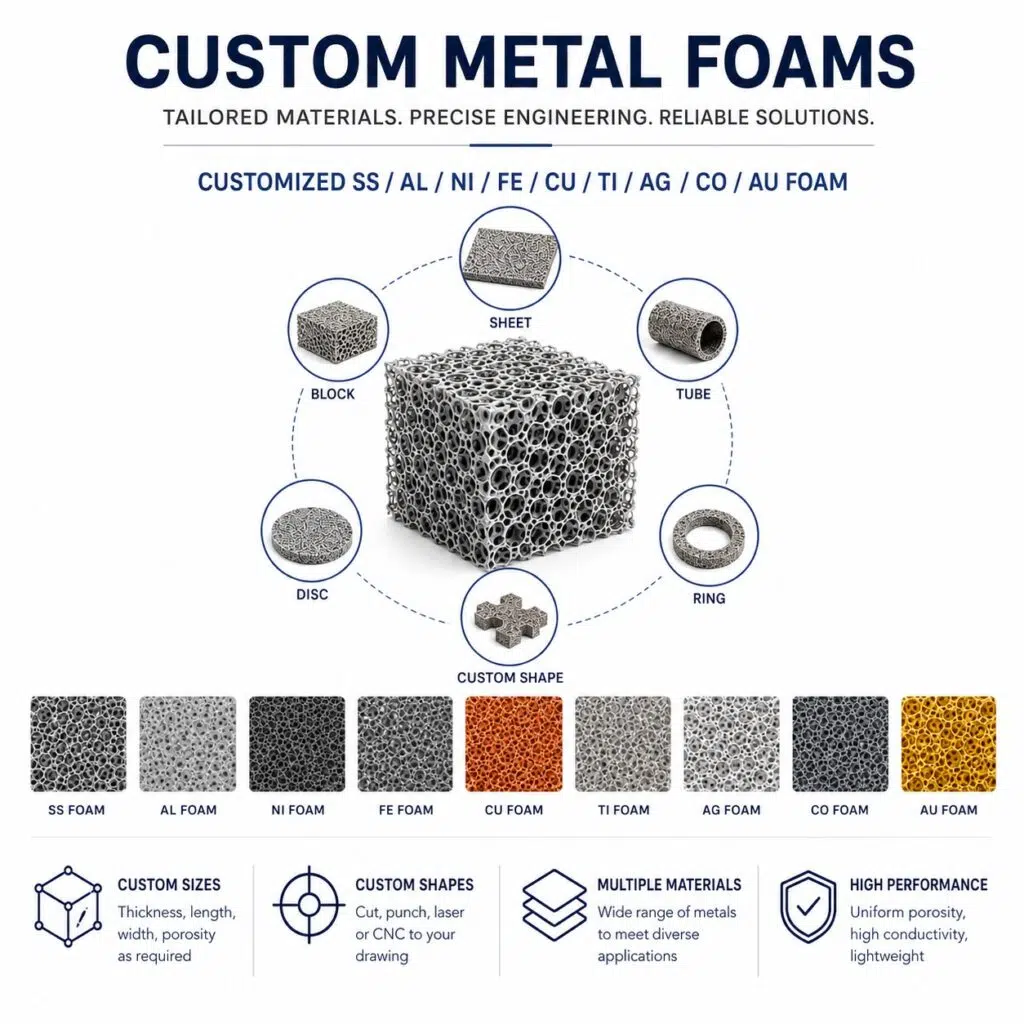
Um verschiedene Metallschäume anzupassen, klicken Sie bitte auf das Bild unten für weitere Details:
 |
 |
 |
 |
 |
 |
 |
 |